


Finding the Right Messenger for Your Message
Trusted messengers are important to the success of any advocacy campaign. Here are eight archetypes and four audience contexts to help organizers find the right ones.
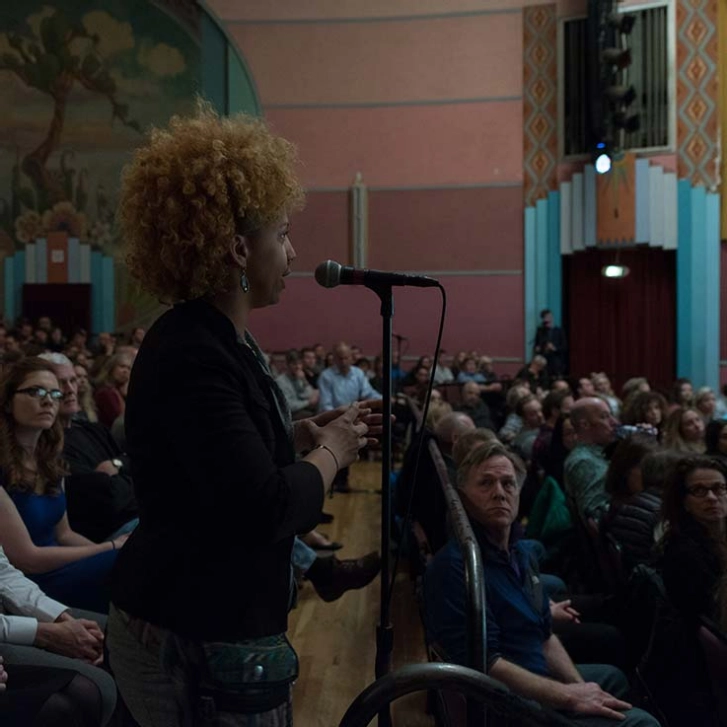
Trusted messengers are important to the success of any advocacy campaign. Here are eight archetypes and four audience contexts to help organizers find the right ones.

An excerpt from Untapped Talent explains how second chance hiring works for both businesses and communities.

Racism denial, workplace inequity, and the futility of speaking out.

Planned, intergenerational communities can help support families raising foster children, as well as youth and elders seeking low-income housing and community.

While traditional scientific methods are not well suited for assessing advocacy, evaluation is necessary for making informed decisions about what meaningful and realistic outcomes to seek from human rights advocacy.


Large-scale social change requires broad cross-sector coordination, not the isolated intervention of individual organizations.

With an understanding of these 10 funding models, nonprofit leaders can use the for-profit world's valuable practice of engaging in succinct and clear conversations about long-term financial strategy.

Professionalism has become coded language for white favoritism in workplace practices that more often than not leave behind people of color. This is the fourth of 10 articles in a special series about diversity, equity, and inclusion.

By working closely with the clients and consumers, design thinking allows high-impact solutions to social problems to bubble up from below rather than being imposed from the top.

Five principles based in social science that will help organizations connect their work to what people care most about.