


The Two-Way Benefits of Local, Intergenerational Classroom Support
Four ways classroom tutoring support can improve education while increasing the well-being of young and older populations in underserved communities.

Four ways classroom tutoring support can improve education while increasing the well-being of young and older populations in underserved communities.
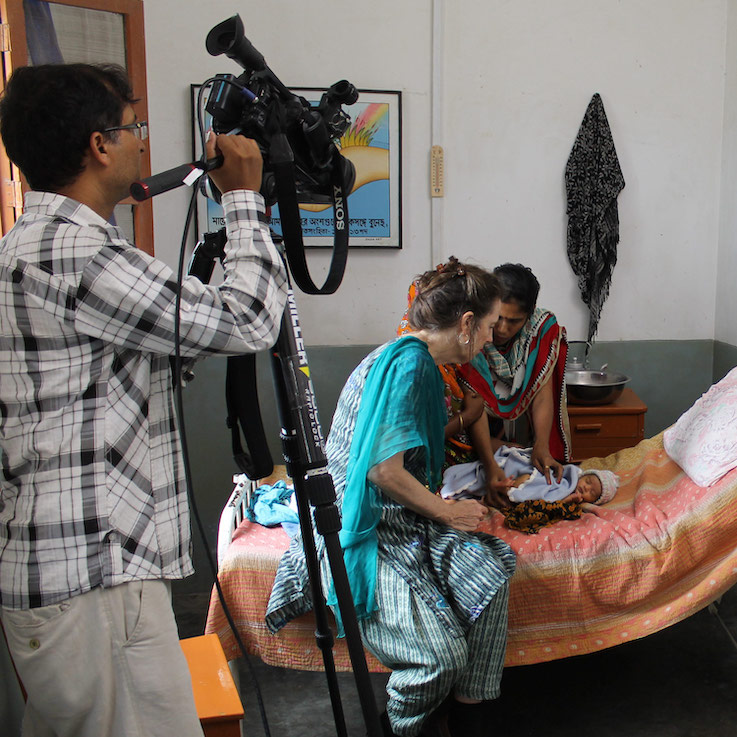
Developing countries face a quality crisis in the delivery of frontline health care. The nonprofit Global Health Media marries modern video technology with compassionate instruction to fill the gap. This is the first episode of a two-part series about raising the quality of health care in the developing world. Listen to the second episode here: The Healing Force of Family.

A collection of SSIR articles on civil society's insights into the logistics behind a global vaccination campaign, including ideas for winning over the hearts and minds of people who aren’t yet convinced they should get the shot.
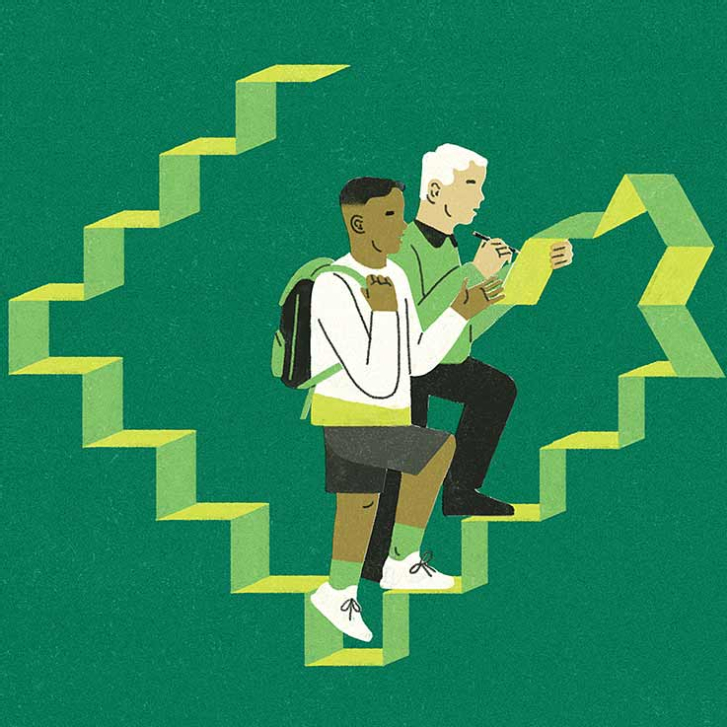
A look at how colleges and universities can move from age-segregated institutions to age-integrated ones.

Long hailed as a major piece of the climate solution, sustainable business practices have not only fallen short: They even enable the continued dominance of fossil fuel.


Large-scale social change requires broad cross-sector coordination, not the isolated intervention of individual organizations.

With an understanding of these 10 funding models, nonprofit leaders can use the for-profit world's valuable practice of engaging in succinct and clear conversations about long-term financial strategy.

Professionalism has become coded language for white favoritism in workplace practices that more often than not leave behind people of color. This is the fourth of 10 articles in a special series about diversity, equity, and inclusion.

By working closely with the clients and consumers, design thinking allows high-impact solutions to social problems to bubble up from below rather than being imposed from the top.

Five principles based in social science that will help organizations connect their work to what people care most about.