


The Power of Proximity: Co-Locating Childcare and Eldercare Programs
Intergenerational shared sites that bring childcare and eldercare under the same roof help both generations thrive, and we need to build more of them.
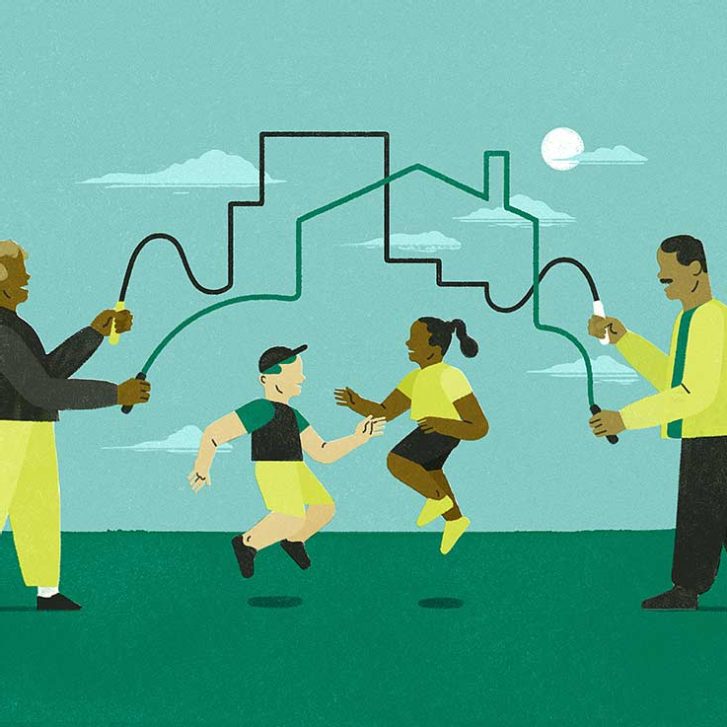
Intergenerational shared sites that bring childcare and eldercare under the same roof help both generations thrive, and we need to build more of them.

Seven actions social change leaders and machine learning developers can take to build gender-smart artificial intelligence for a more just world.

The experience of the California Future Health Workforce Commission to improve the state's supply of health professionals revealed the importance of upfront planning, clear partnering agreements, and graceful ways to pause when things don’t go as planned with highly collaborative efforts to solve complex social problems.
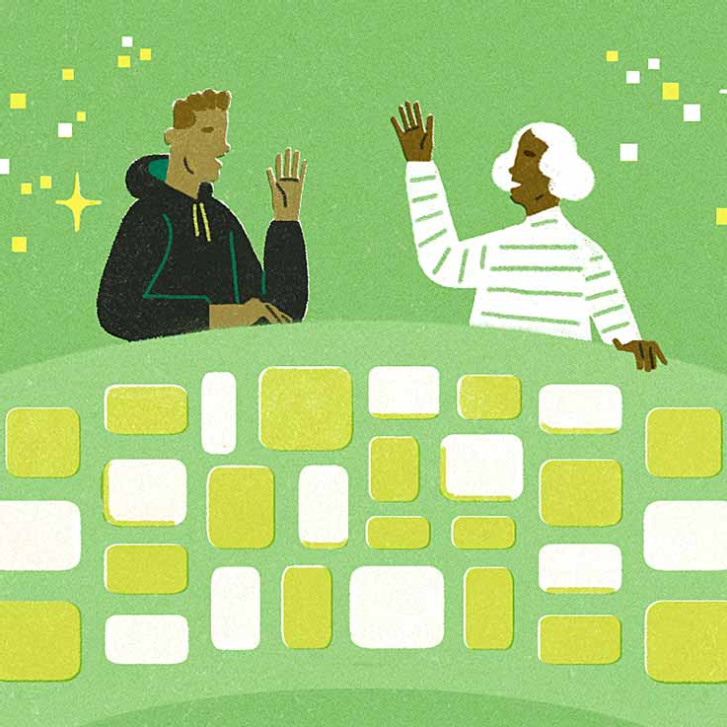
Four ways technology can help organizations working to fight loneliness, while transforming eldercare and the lives of older and younger adults.
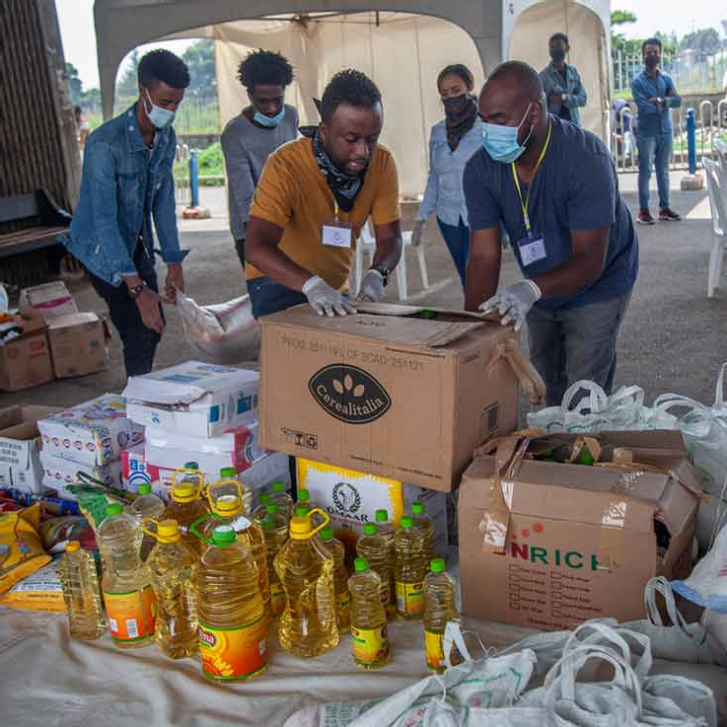
Amid a global pandemic, philanthropic organizations in emerging markets are finding their voice and challenging historical constructs.


Funders are calling for more program evaluation, but nonprofits are often collecting dubious data, at great cost to themselves and ultimately to the people they serve.

Large-scale social change requires broad cross-sector coordination, not the isolated intervention of individual organizations.
For NGOs, impact comes in different forms and to track the cycles of social change work, we must think across the tangibility and the speed of emergence of change.

With an understanding of these 10 funding models, nonprofit leaders can use the for-profit world's valuable practice of engaging in succinct and clear conversations about long-term financial strategy.

Professionalism has become coded language for white favoritism in workplace practices that more often than not leave behind people of color. This is the fourth of 10 articles in a special series about diversity, equity, and inclusion.