


Creating Your Philanthropist Strategy
An excerpt from Delusional Altruism explains how philanthropists are often fooled by their own efforts.
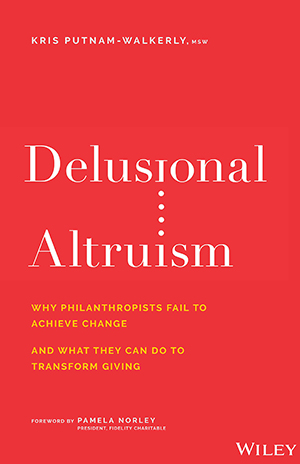
An excerpt from Delusional Altruism explains how philanthropists are often fooled by their own efforts.

While the pandemic has clarified some best practices for online trainings, centering participants requires a creative approach, a deep understanding of participants’ needs, and thoughtful work to be responsive and flexible.

Intergenerational home-sharing provides younger adults with affordable housing and older adults with needed income and a way to age in place.

If the world is going to stop deliberate or unintentional misinformation and its insidious effects, we need to radically expand and accelerate our counterattacks, particularly human-centered solutions focused on improving people's media and information literacy.
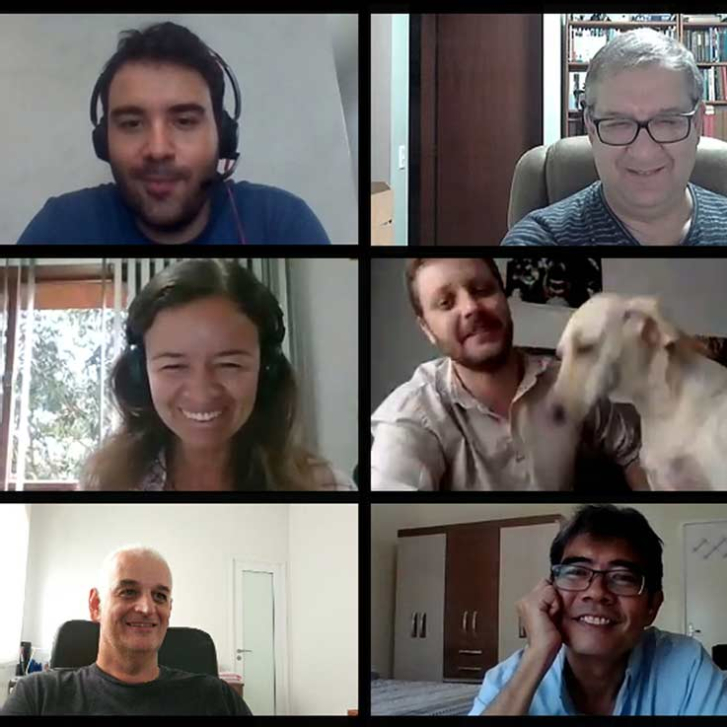
Thirteen ideas to keep boards effective and cohesive in a remote environment.


Funders are calling for more program evaluation, but nonprofits are often collecting dubious data, at great cost to themselves and ultimately to the people they serve.

Large-scale social change requires broad cross-sector coordination, not the isolated intervention of individual organizations.

For NGOs, impact comes in different forms and to track the cycles of social change work, we must think across the tangibility and the speed of emergence of change.

With an understanding of these 10 funding models, nonprofit leaders can use the for-profit world's valuable practice of engaging in succinct and clear conversations about long-term financial strategy.

Professionalism has become coded language for white favoritism in workplace practices that more often than not leave behind people of color. This is the fourth of 10 articles in a special series about diversity, equity, and inclusion.