


Building Indigenous Power in Philanthropy
While allies and advisors are important in our work, it’s more important to support and develop our own Indigenous power, leadership, and decision-making.

While allies and advisors are important in our work, it’s more important to support and develop our own Indigenous power, leadership, and decision-making.
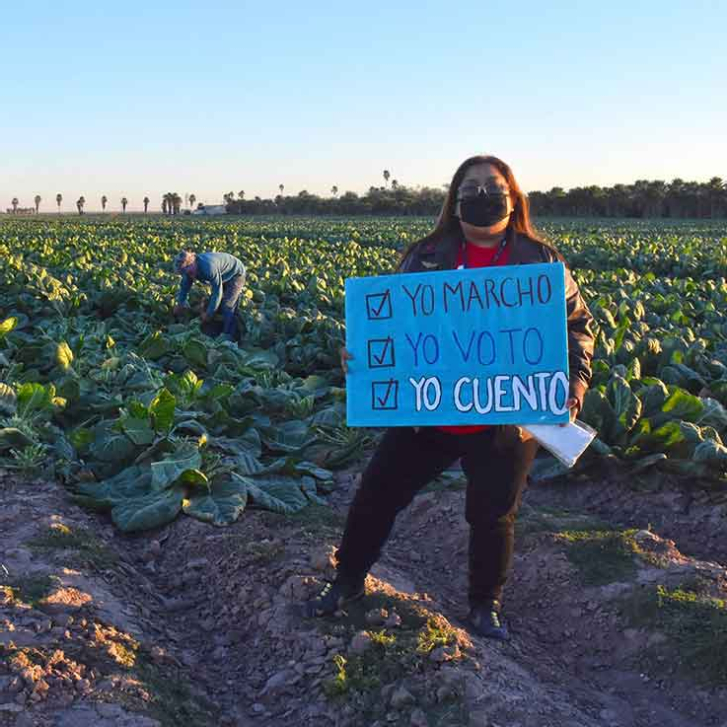
Five things to know about the US Latinx electorate, and how continued community organizing and movement building can shift America toward a more inclusive democracy.

Any organization tasked with getting critical information to local communities—whether responding to a crisis like the pandemic or trying to challenge social injustices—needs a strategy for making sure their message is believed. Journalism offers insight into building trust as people's wariness threatens the uptake of COVID-19 vaccines.

A recap of this year's Data on Purpose conference on digital solutions to problems of democracy and civil society.

Keeping a giving circle going strong entails adhering to four principles, according to the founder of Everychild Foundation, which has an average member retention rate surpassing 90 percent.


Funders are calling for more program evaluation, but nonprofits are often collecting dubious data, at great cost to themselves and ultimately to the people they serve.

Large-scale social change requires broad cross-sector coordination, not the isolated intervention of individual organizations.

For NGOs, impact comes in different forms and to track the cycles of social change work, we must think across the tangibility and the speed of emergence of change.

With an understanding of these 10 funding models, nonprofit leaders can use the for-profit world's valuable practice of engaging in succinct and clear conversations about long-term financial strategy.

Professionalism has become coded language for white favoritism in workplace practices that more often than not leave behind people of color. This is the fourth of 10 articles in a special series about diversity, equity, and inclusion.