


Hope on the Horizon
Wealthy nations are making large purchases of approved coronavirus vaccines, leaving other countries to wait longer to acquire the vaccine.
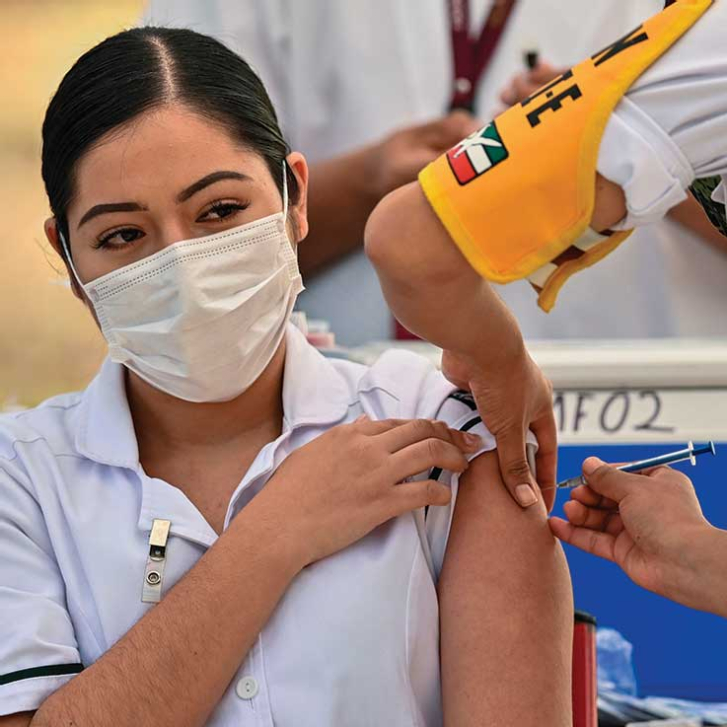
Wealthy nations are making large purchases of approved coronavirus vaccines, leaving other countries to wait longer to acquire the vaccine.

By building strategic alliances with investors and shareholders, Indigenous Peoples are proactively protecting their rights by urging corporate respect of those rights in routine operations.
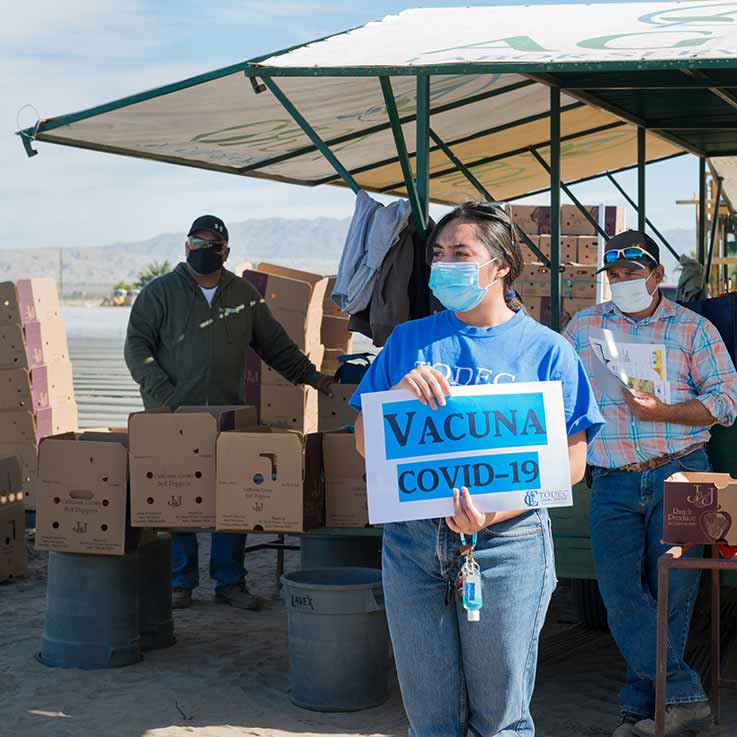
Four ways philanthropy can effectively partner with governments to support equitable vaccination distribution and ensure that more individuals are vaccinated against COVID-19.
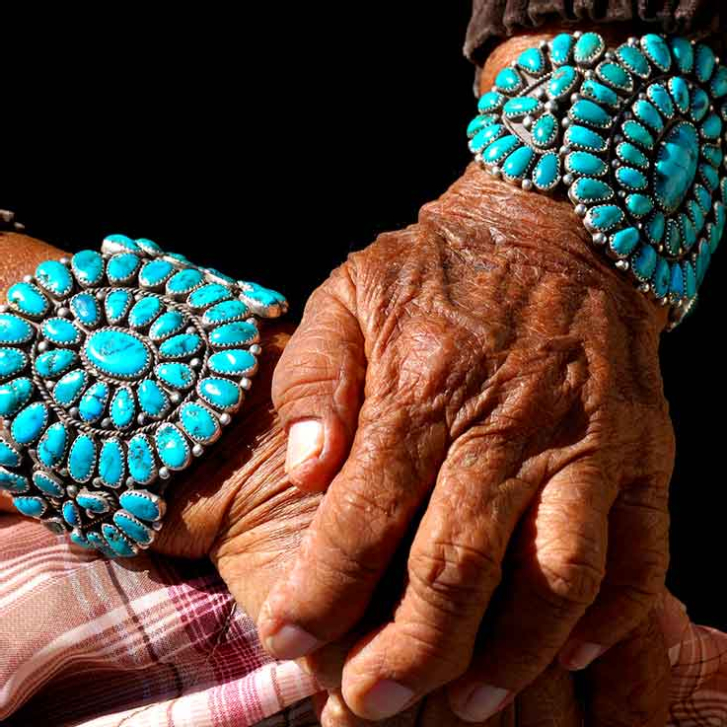
A call to bring back matriarchy in Indigenous communities to rebuild and decolonize the foundation of Native community life.

Health-care innovation will be needed to put the brakes on the current pandemic and prepare the world for the next one. But how are accelerator programs adapting their activities to pandemic conditions?


Funders are calling for more program evaluation, but nonprofits are often collecting dubious data, at great cost to themselves and ultimately to the people they serve.

Large-scale social change requires broad cross-sector coordination, not the isolated intervention of individual organizations.
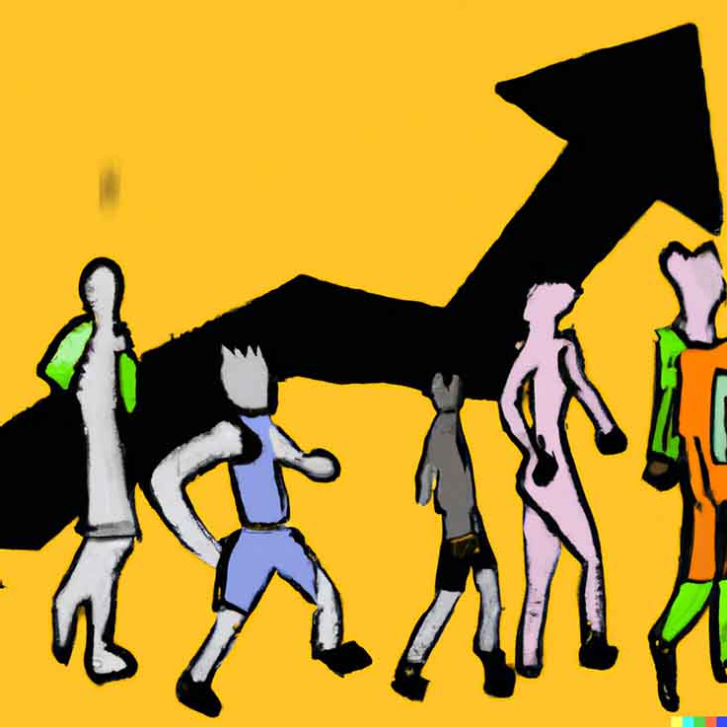
For NGOs, impact comes in different forms and to track the cycles of social change work, we must think across the tangibility and the speed of emergence of change.

With an understanding of these 10 funding models, nonprofit leaders can use the for-profit world's valuable practice of engaging in succinct and clear conversations about long-term financial strategy.

Professionalism has become coded language for white favoritism in workplace practices that more often than not leave behind people of color. This is the fourth of 10 articles in a special series about diversity, equity, and inclusion.