


Integrative Philanthropy
The Eastern Congo Initiative is transforming foreign aid by advocating for, investing in, and partnering with community organizations.
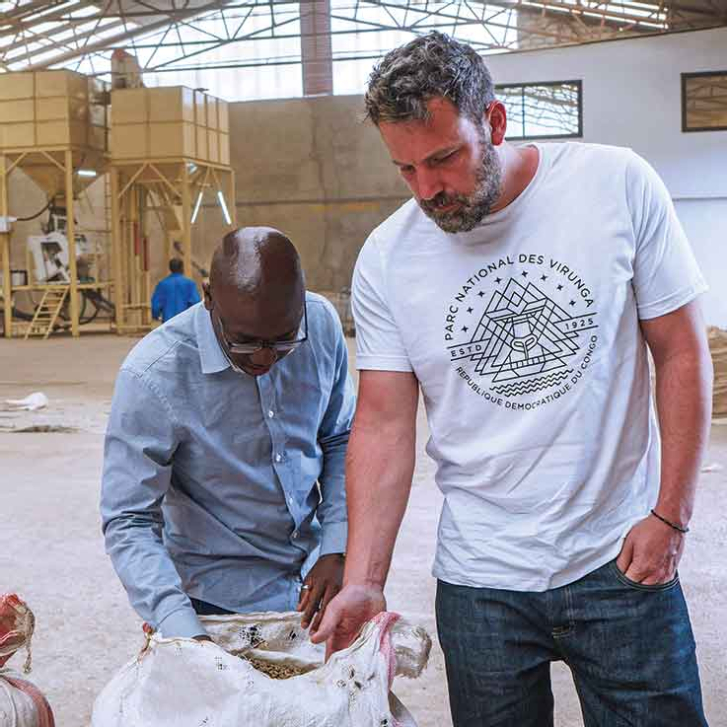
The Eastern Congo Initiative is transforming foreign aid by advocating for, investing in, and partnering with community organizations.
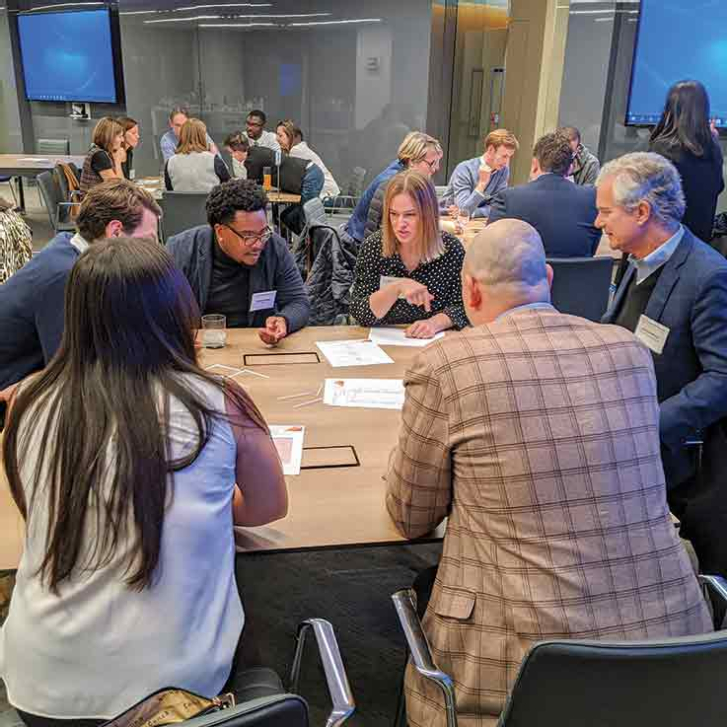
A pioneering initiative is showing how traditional financial organizations can cocreate with nonprofits and entrepreneurs to improve the financial health of all Americans.
Open-access to this article made possible by the Financial Solutions Lab.
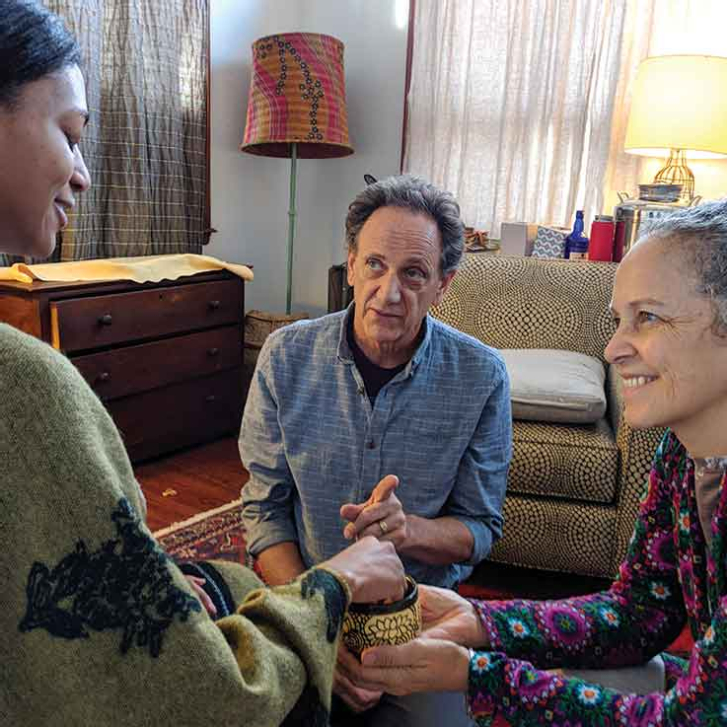
Rick Doblin launched the Multidisciplinary Association for Psychedelic Studies in 1986 to research and advocate for the use of LSD, magic mushrooms, and Ecstasy to treat mental illness. After more than three decades of labor, he has found his moment.

Research-practice partnerships can help academic researchers and school district leaders discover what works for schools and classrooms.
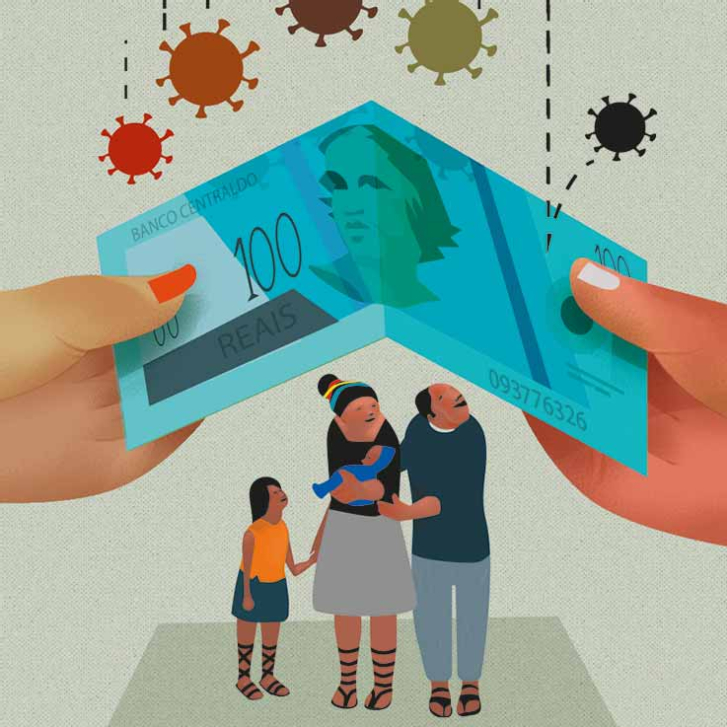
Brazilian civil society worked together to win basic income for the poor. Its success illustrates how organizations must interlock to secure rights and push for social change.


Funders are calling for more program evaluation, but nonprofits are often collecting dubious data, at great cost to themselves and ultimately to the people they serve.

Large-scale social change requires broad cross-sector coordination, not the isolated intervention of individual organizations.

For NGOs, impact comes in different forms and to track the cycles of social change work, we must think across the tangibility and the speed of emergence of change.

With an understanding of these 10 funding models, nonprofit leaders can use the for-profit world's valuable practice of engaging in succinct and clear conversations about long-term financial strategy.

Professionalism has become coded language for white favoritism in workplace practices that more often than not leave behind people of color. This is the fourth of 10 articles in a special series about diversity, equity, and inclusion.