


How to Ensure Survivors of Modern Slavery Stay Free
We must listen to survivors: Without providing financial security and the resources necessary to sustain freedom, simply liberating the victims of human trafficking isn’t enough.
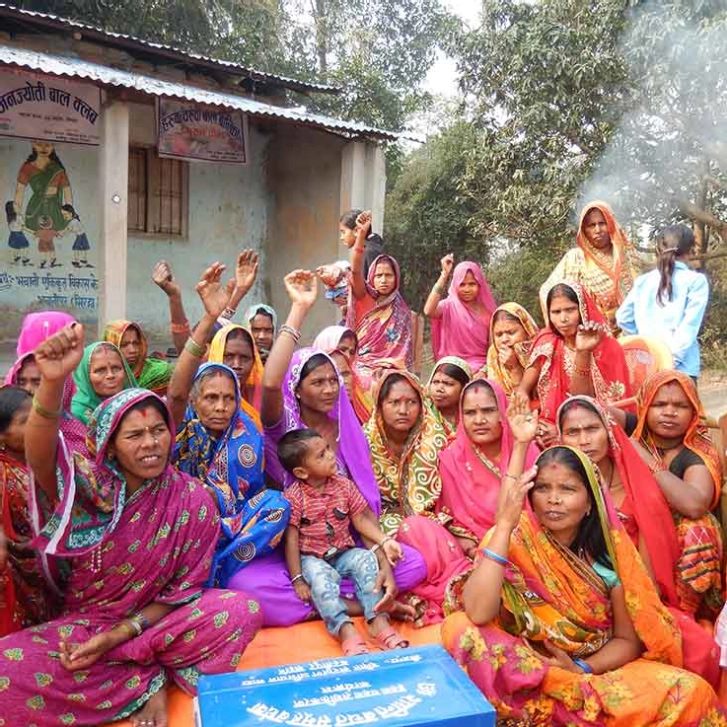
We must listen to survivors: Without providing financial security and the resources necessary to sustain freedom, simply liberating the victims of human trafficking isn’t enough.

To truly advance racial justice, funders must share decision-making power over who receives capital with the communities they hope to serve.

Social and behavioral sciences can help us understand why COVID-19 is making giving practices more localized and expansive.

Enthusiasm for systems change is not new, and a broader historical perspective will help systems change enthusiasts learn from the past what NOT to do: replicate the ineffective mindsets and engineering approaches that have defined so much of the systems change work in our sectors.

How individuals and coalitions are orchestrating and activating neglected resources to help end the pandemic and build more resilient health systems.


Funders are calling for more program evaluation, but nonprofits are often collecting dubious data, at great cost to themselves and ultimately to the people they serve.

Large-scale social change requires broad cross-sector coordination, not the isolated intervention of individual organizations.
For NGOs, impact comes in different forms and to track the cycles of social change work, we must think across the tangibility and the speed of emergence of change.

With an understanding of these 10 funding models, nonprofit leaders can use the for-profit world's valuable practice of engaging in succinct and clear conversations about long-term financial strategy.

Professionalism has become coded language for white favoritism in workplace practices that more often than not leave behind people of color. This is the fourth of 10 articles in a special series about diversity, equity, and inclusion.