


sponsored
Selecting a Pool of Bold Ideas
How the University of Pennsylvania’s Center for High Impact Philanthropy winnowed 100&Change’s Top 200 proposals.

How the University of Pennsylvania’s Center for High Impact Philanthropy winnowed 100&Change’s Top 200 proposals.
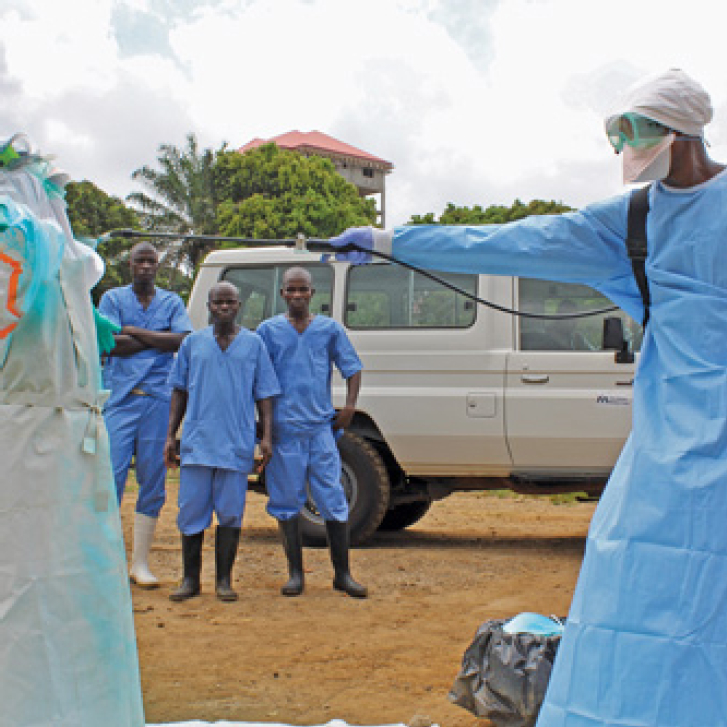
At The Lemelson Foundation, we seek to foster inventions that will have social impact and improve lives. But our support for early-stage innovation could not succeed without a trusted network of grantees and partners.
Big bets can make a big difference, but only if they catalyze interest and follow-up investment in the problems they seek to address.
The legal and logistical challenges to hosting a competition are surmountable, but they require proper planning and due diligence.
Philanthropy is poised for a grand transformation, but it will require a lot of investment, capacity building, and experimentation to get it right.


Funders are calling for more program evaluation, but nonprofits are often collecting dubious data, at great cost to themselves and ultimately to the people they serve.

Large-scale social change requires broad cross-sector coordination, not the isolated intervention of individual organizations.
For NGOs, impact comes in different forms and to track the cycles of social change work, we must think across the tangibility and the speed of emergence of change.

With an understanding of these 10 funding models, nonprofit leaders can use the for-profit world's valuable practice of engaging in succinct and clear conversations about long-term financial strategy.

Professionalism has become coded language for white favoritism in workplace practices that more often than not leave behind people of color. This is the fourth of 10 articles in a special series about diversity, equity, and inclusion.