


Making Economic Sense of Religion
Sriya Iyer reveals how faith has driven India’s increasingly powerful economy.
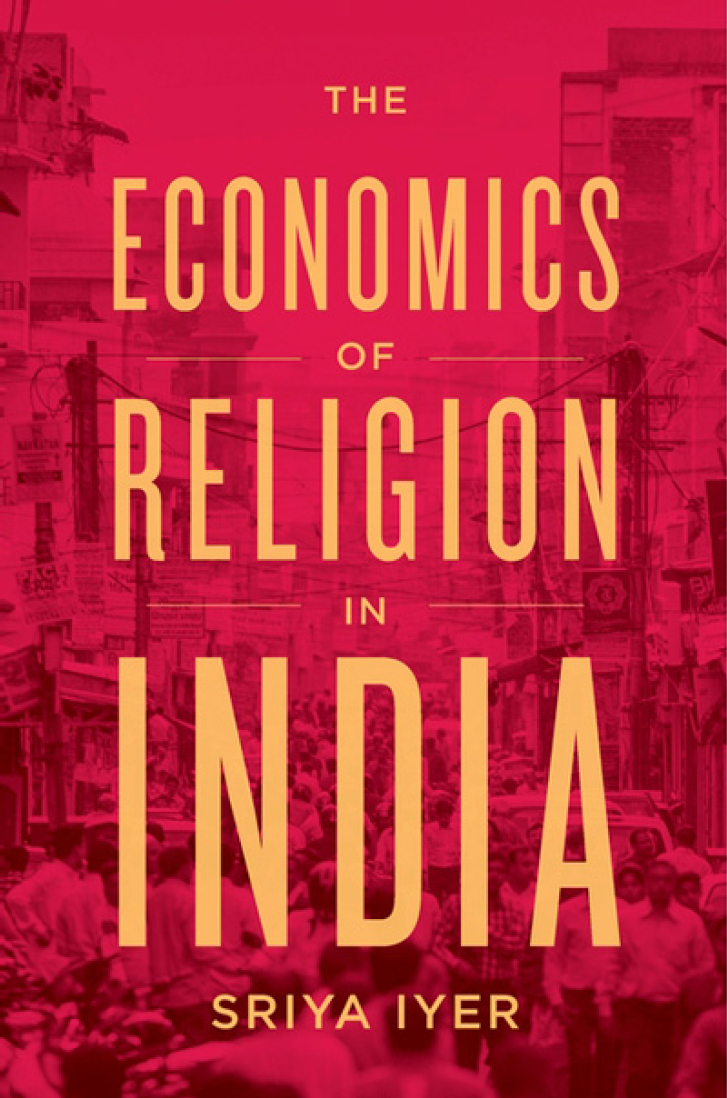
Sriya Iyer reveals how faith has driven India’s increasingly powerful economy.

The MacArthur Foundation’s 100&Change team learned a lot from the first round of grants that will boost collaboration and knowledge-sharing in the next round.
Jeff Ubois interviews Thomas Kalil of Schmidt Futures (a philanthropic initiative founded by Eric and Wendy Schmidt) about how calls to solve big problems through competitions can, when done right, galvanize innovation.
100&Change sought to add value to participants by helping to raise the profile of a variety of meaningful solutions.

Proposals for grants can offer a wealth of ideas and information to the nonprofit community, if foundations take the right steps.


Funders are calling for more program evaluation, but nonprofits are often collecting dubious data, at great cost to themselves and ultimately to the people they serve.

Large-scale social change requires broad cross-sector coordination, not the isolated intervention of individual organizations.

For NGOs, impact comes in different forms and to track the cycles of social change work, we must think across the tangibility and the speed of emergence of change.

With an understanding of these 10 funding models, nonprofit leaders can use the for-profit world's valuable practice of engaging in succinct and clear conversations about long-term financial strategy.

Professionalism has become coded language for white favoritism in workplace practices that more often than not leave behind people of color. This is the fourth of 10 articles in a special series about diversity, equity, and inclusion.