How to Use Donor-Advised Funds to Make Impact Investments
There’s a vast missed opportunity to use DAFs for making impact investments in support of market-based solutions to the UN Sustainable Development Goals.
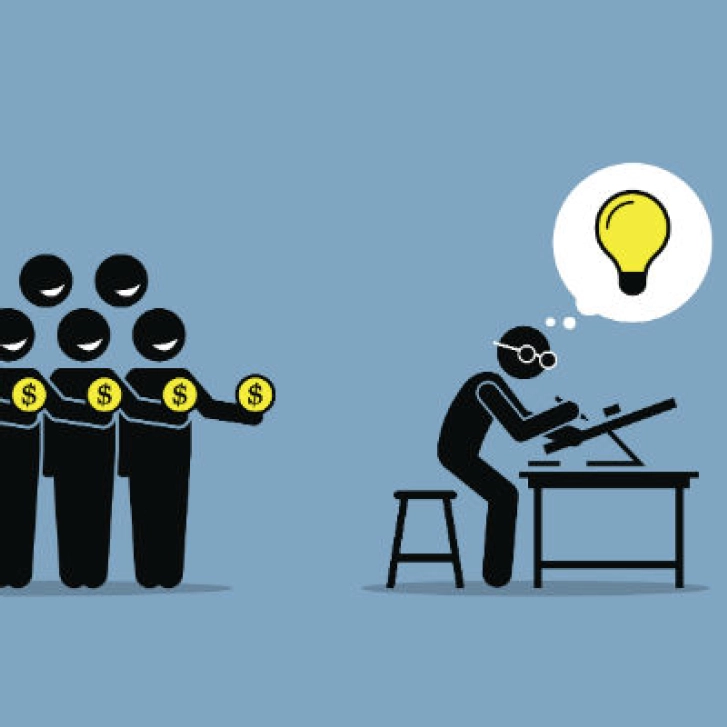
There’s a vast missed opportunity to use DAFs for making impact investments in support of market-based solutions to the UN Sustainable Development Goals.

By focusing on four critical aspects of land rights, businesses can not only manage risks, but also do a great deal of global good while strengthening their bottom lines.
In fields as diverse as healthcare and social services, training employees in empathy translates into lower burnout, better outcomes, and economic benefits. Part of a series produced for SSIR with the support of the Hewlett Foundation.
Bringing non-family members, people with diverse perspectives, and professional advisors into decision-making can help family foundations take greater risks and bolder action toward their missions.
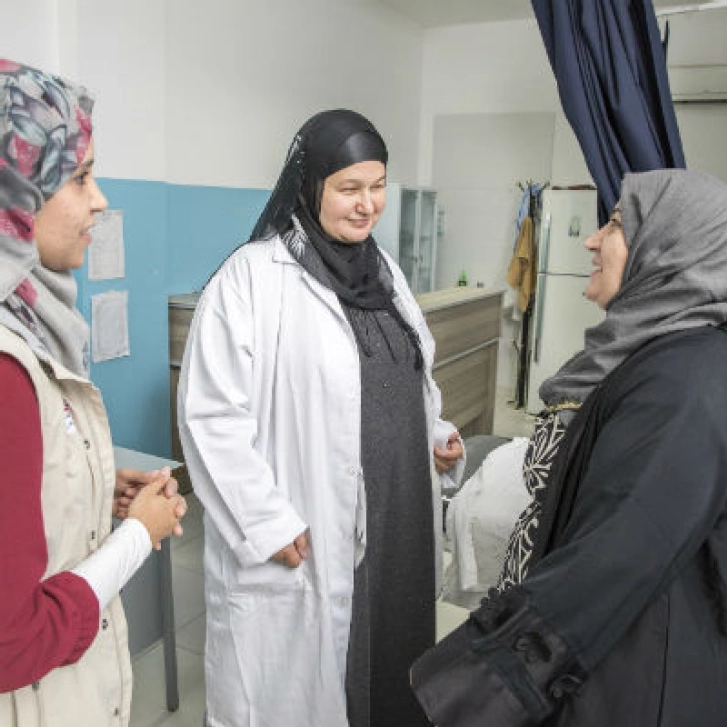
A new era of business collaboration is rising to address humanitarian crises, and the humanitarian sector can help bring these new models to scale.


Funders are calling for more program evaluation, but nonprofits are often collecting dubious data, at great cost to themselves and ultimately to the people they serve.

Large-scale social change requires broad cross-sector coordination, not the isolated intervention of individual organizations.
For NGOs, impact comes in different forms and to track the cycles of social change work, we must think across the tangibility and the speed of emergence of change.

With an understanding of these 10 funding models, nonprofit leaders can use the for-profit world's valuable practice of engaging in succinct and clear conversations about long-term financial strategy.

Professionalism has become coded language for white favoritism in workplace practices that more often than not leave behind people of color. This is the fourth of 10 articles in a special series about diversity, equity, and inclusion.