


Digital Natives Collect Community Needs
Humanitas AI has created a smartphone app to enable young people to coordinate social projects.
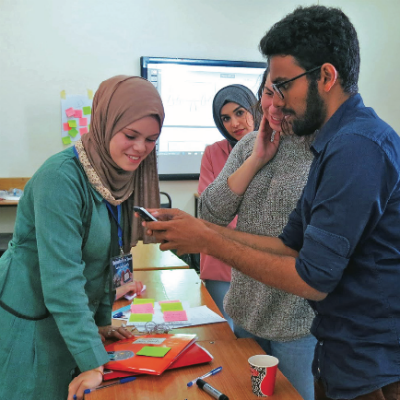
Humanitas AI has created a smartphone app to enable young people to coordinate social projects.
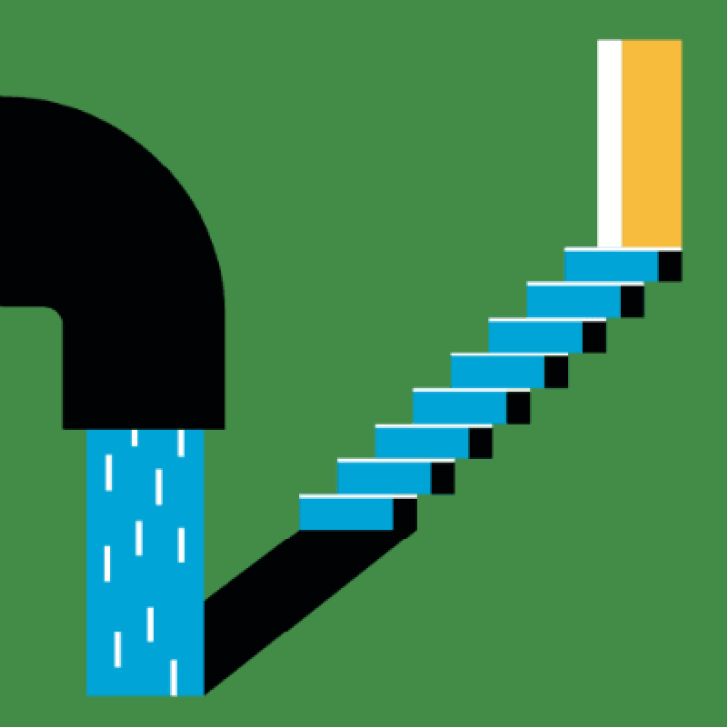
Microfinance for water and sanitation enables people to find their own solutions.

It is time to give US women the convenience and autonomy of birth control and abortion pills that women elsewhere enjoy.

The ability of teachers to improve students’ non-cognitive abilities may have greater importance than test scores.

Companies that create a climate of volunteering can see benefits even among non-volunteers.


Funders are calling for more program evaluation, but nonprofits are often collecting dubious data, at great cost to themselves and ultimately to the people they serve.

Large-scale social change requires broad cross-sector coordination, not the isolated intervention of individual organizations.
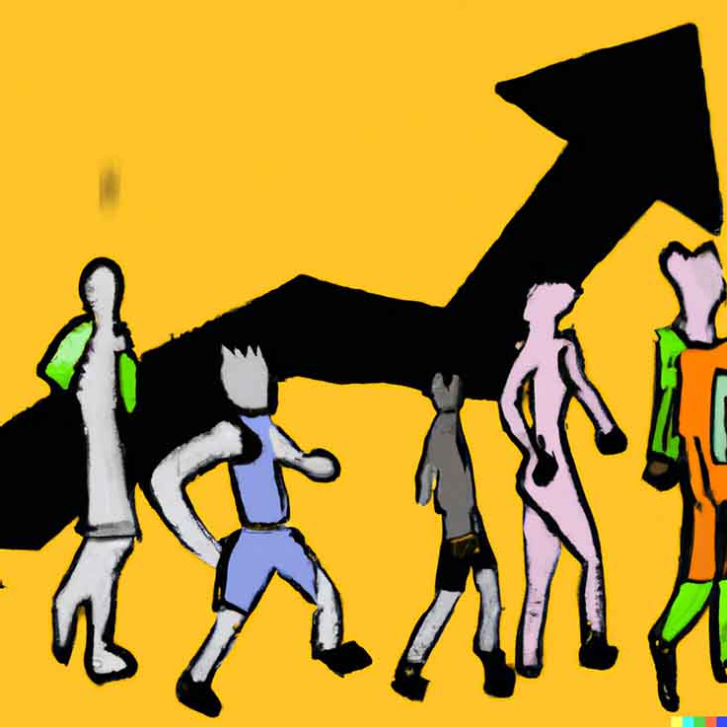
For NGOs, impact comes in different forms and to track the cycles of social change work, we must think across the tangibility and the speed of emergence of change.

With an understanding of these 10 funding models, nonprofit leaders can use the for-profit world's valuable practice of engaging in succinct and clear conversations about long-term financial strategy.

Professionalism has become coded language for white favoritism in workplace practices that more often than not leave behind people of color. This is the fourth of 10 articles in a special series about diversity, equity, and inclusion.