


Valuing Social Impact Expertise in Impact Investing
The expertise and wisdom of social impact professionals is not as important to financiers as it should be.

The expertise and wisdom of social impact professionals is not as important to financiers as it should be.

When properly supported, open source software can spark innovation, accelerate social good, and ultimately help change the world.
Not every nonprofit organization can do everything well. That’s one reason why every nonprofit must work relentlessly to achieve and retain its strategic focus—a commitment to doing what it does best.
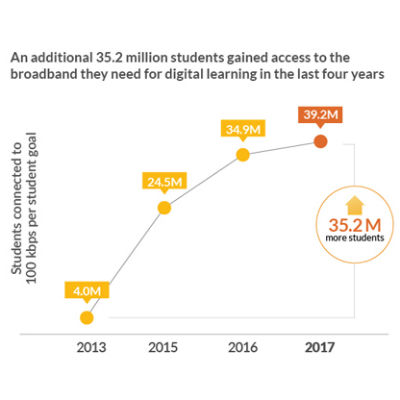
Why having enough money and data is the difference between success and failure for early-stage organizations.

Three common ways the pay gap is measured, what leading companies are doing about it, and the best strategies to consider today.


Funders are calling for more program evaluation, but nonprofits are often collecting dubious data, at great cost to themselves and ultimately to the people they serve.

Large-scale social change requires broad cross-sector coordination, not the isolated intervention of individual organizations.

For NGOs, impact comes in different forms and to track the cycles of social change work, we must think across the tangibility and the speed of emergence of change.

With an understanding of these 10 funding models, nonprofit leaders can use the for-profit world's valuable practice of engaging in succinct and clear conversations about long-term financial strategy.

Professionalism has become coded language for white favoritism in workplace practices that more often than not leave behind people of color. This is the fourth of 10 articles in a special series about diversity, equity, and inclusion.