The Radical Frugality Mind-set for Scaling Social Change
How successful Indian nonprofits reduce costs while extending impact, even when scarcity abounds.
How successful Indian nonprofits reduce costs while extending impact, even when scarcity abounds.
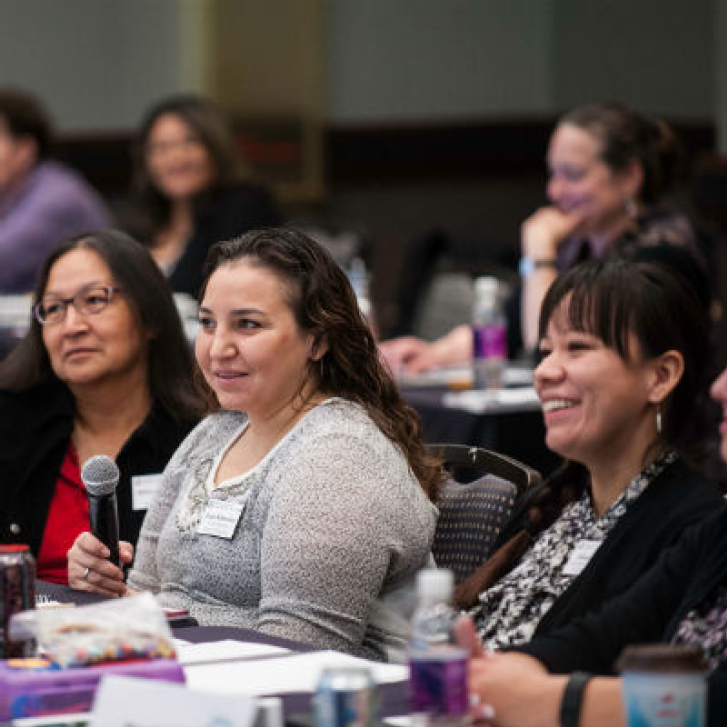
At the Bush Foundation, grantmakers use an analytical approach to identify the right people who can make a difference, and supply them with the tools, connections, and inspiration they need.
Seven lessons for walking the tight rope between social welfare and business.

A demographic wave could soon funnel unprecedented dollars into philanthropy, but few nonprofits are poised to take advantage of the largest wealth transfer in human history.

Surmounting daunting social challenges such as ending malaria or achieving marriage equality can require the help of an intermediary organization—a field catalyst—that amplifies the efforts of others. Open access to this article is made possible by The Bridgespan Group.


Funders are calling for more program evaluation, but nonprofits are often collecting dubious data, at great cost to themselves and ultimately to the people they serve.

Large-scale social change requires broad cross-sector coordination, not the isolated intervention of individual organizations.
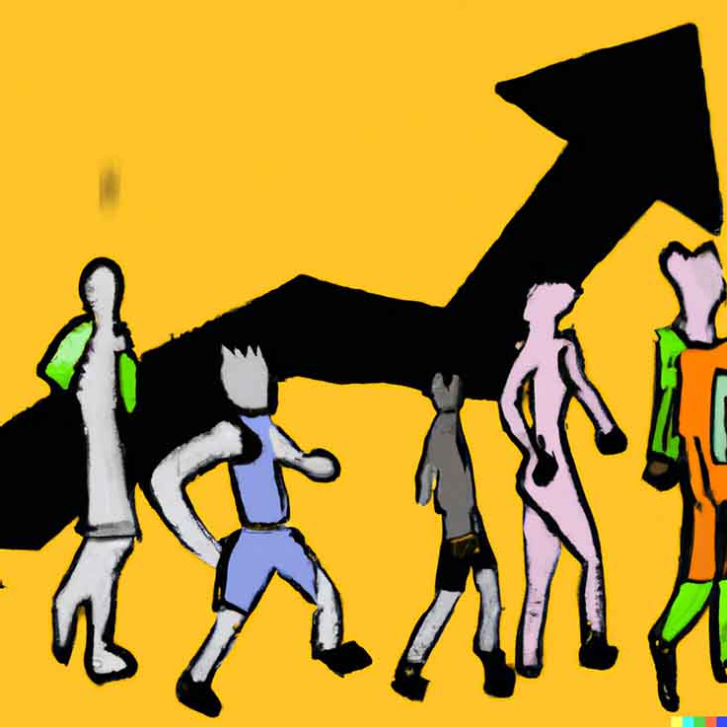
For NGOs, impact comes in different forms and to track the cycles of social change work, we must think across the tangibility and the speed of emergence of change.

With an understanding of these 10 funding models, nonprofit leaders can use the for-profit world's valuable practice of engaging in succinct and clear conversations about long-term financial strategy.

Professionalism has become coded language for white favoritism in workplace practices that more often than not leave behind people of color. This is the fourth of 10 articles in a special series about diversity, equity, and inclusion.