


Giving Back to India
Indian Americans are donating more than ever before to support broad-based social change aimed at reducing India’s inequities.

Indian Americans are donating more than ever before to support broad-based social change aimed at reducing India’s inequities.
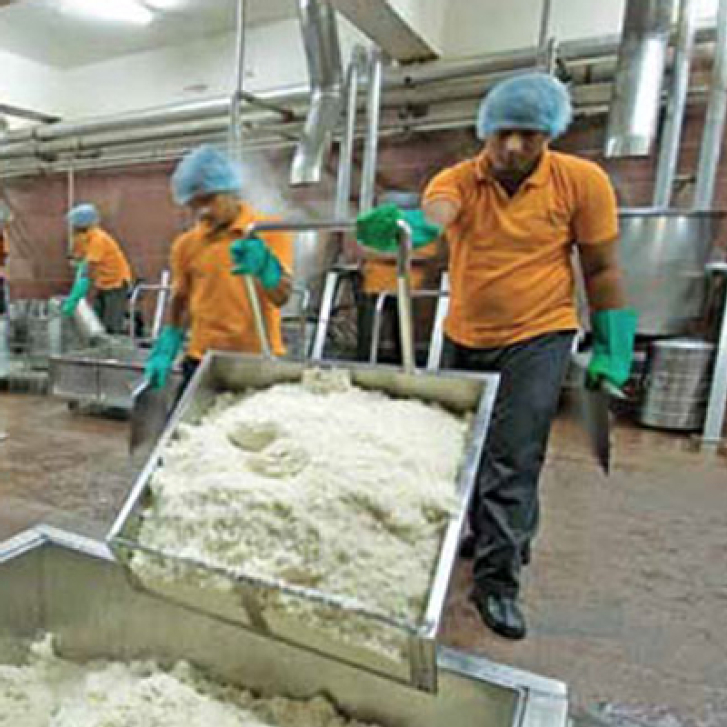
Technical ingenuity and private funding enable Akshaya Patra to serve hot, healthy lunches to 1.4 million Indian children every day.

Philanthropists should become more active impact investors, focusing on building sustainable social enterprises often overlooked by private investors who seek market-rate returns.

To ensure that its clean-water initiatives will stick and grow, Splash works with local partners that will take over when it moves on.

With a sustainable program structure, skilled advocacy, and targeted technical assistance, Evidence Action helped pull off the world’s largest one-day deworming event.


Funders are calling for more program evaluation, but nonprofits are often collecting dubious data, at great cost to themselves and ultimately to the people they serve.

Large-scale social change requires broad cross-sector coordination, not the isolated intervention of individual organizations.

For NGOs, impact comes in different forms and to track the cycles of social change work, we must think across the tangibility and the speed of emergence of change.

With an understanding of these 10 funding models, nonprofit leaders can use the for-profit world's valuable practice of engaging in succinct and clear conversations about long-term financial strategy.

Professionalism has become coded language for white favoritism in workplace practices that more often than not leave behind people of color. This is the fourth of 10 articles in a special series about diversity, equity, and inclusion.