


A Systems Change Framework to Impact Investing
A key factor preventing impact investing from reaching its maximum potential is the absence of robust monitoring and learning processes anchored in systems change principles.

A key factor preventing impact investing from reaching its maximum potential is the absence of robust monitoring and learning processes anchored in systems change principles.

A collaborative funder and fund leader discuss partnerships with local leaders, how to get funds moving where they need to go, and human-centered impact.

To close the digital divide, we need a capital market that powers community broadband.
How does a global approach to childhood cancer research advance treatments and cures? How are philanthropists around the world supporting this cause? Gloria De Dios of Foundation Ayudame a Vivir (AYUVI), Richard C. Shadyac of ALSAC, and Fred Kaynor of DAFgiving360 discuss St. Jude Global, an innovative endeavor at St. Jude Children’s Research Hospital to take lifesaving cancer treatments to children around the world. A sponsored podcast developed with the support of DAFgiving360
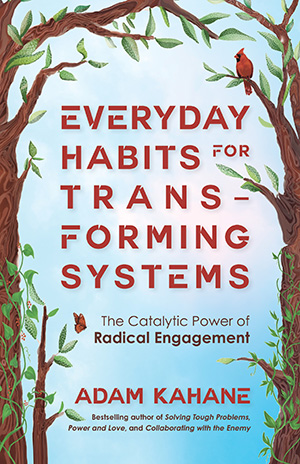
An excerpt from Everyday Habits for Transforming Systems on finding the leverage points for change


Funders are calling for more program evaluation, but nonprofits are often collecting dubious data, at great cost to themselves and ultimately to the people they serve.

Large-scale social change requires broad cross-sector coordination, not the isolated intervention of individual organizations.

For NGOs, impact comes in different forms and to track the cycles of social change work, we must think across the tangibility and the speed of emergence of change.

With an understanding of these 10 funding models, nonprofit leaders can use the for-profit world's valuable practice of engaging in succinct and clear conversations about long-term financial strategy.

Professionalism has become coded language for white favoritism in workplace practices that more often than not leave behind people of color. This is the fourth of 10 articles in a special series about diversity, equity, and inclusion.