


Reimagining Business Ownership in the Global South
Alternative forms of enterprise ownership have the potential to enable economic development in more inclusive and equitable ways.
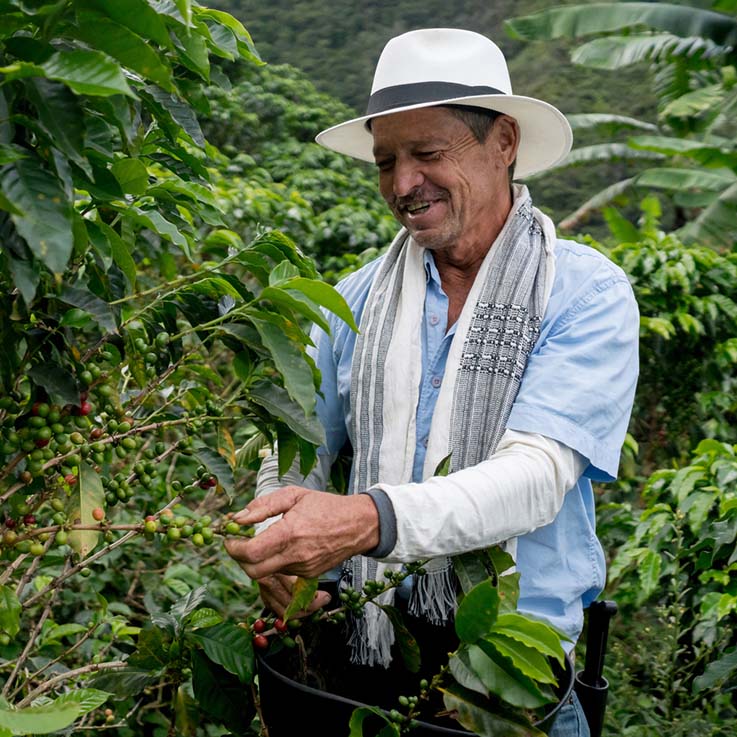
Alternative forms of enterprise ownership have the potential to enable economic development in more inclusive and equitable ways.
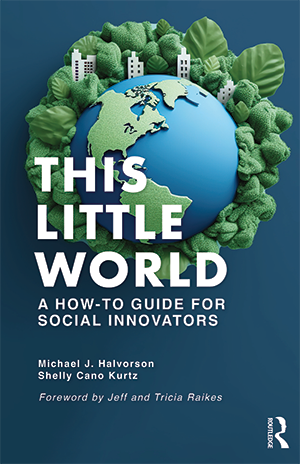
An excerpt from This Little World: A How-To Guide for Social Innovators on proven strategies for increasing the relative size and scope of a social impact project
How do nonprofits and their donors define and measure impact? Kimberly Pfeifer of Oxfam America, Stephanie Gillis of Raikes Foundation, and Fred Kaynor of DAFgiving360 join SSIR editor Barbara Wheeler-Bride to share their perspectives on social impact and tracking philanthropic success. A sponsored podcast developed with the support of DAFgiving360

Own your work and your success. Speak plainly about the stakes. Bring people in.

An interview with Marshall Ganz on what the social sector gets wrong about power and structural change


Funders are calling for more program evaluation, but nonprofits are often collecting dubious data, at great cost to themselves and ultimately to the people they serve.

Large-scale social change requires broad cross-sector coordination, not the isolated intervention of individual organizations.

For NGOs, impact comes in different forms and to track the cycles of social change work, we must think across the tangibility and the speed of emergence of change.

With an understanding of these 10 funding models, nonprofit leaders can use the for-profit world's valuable practice of engaging in succinct and clear conversations about long-term financial strategy.

Professionalism has become coded language for white favoritism in workplace practices that more often than not leave behind people of color. This is the fourth of 10 articles in a special series about diversity, equity, and inclusion.