


Virtual Models for Real Issues
Agent-based modeling—a form of computer visualization—is being used to analyze a range of public health issues.
Agent-based modeling—a form of computer visualization—is being used to analyze a range of public health issues.
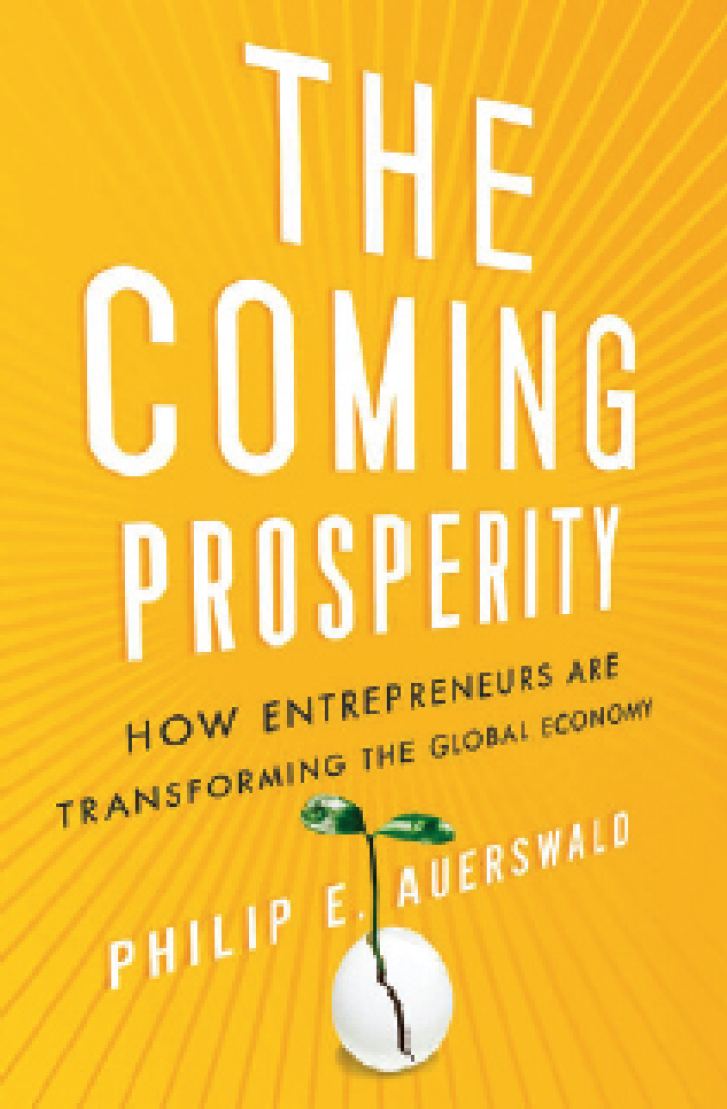
Two books argue that entrepreneurs and technology are transforming the global economy.

How the Ford Foundation is engaging its global staff in building a shared culture of results.

The Rural Education Action Project uses its studies about China’s poorest places to influence government policy.

An immense cross-sector partnership is responsible for the immunization success story.


Funders are calling for more program evaluation, but nonprofits are often collecting dubious data, at great cost to themselves and ultimately to the people they serve.

Large-scale social change requires broad cross-sector coordination, not the isolated intervention of individual organizations.

For NGOs, impact comes in different forms and to track the cycles of social change work, we must think across the tangibility and the speed of emergence of change.

With an understanding of these 10 funding models, nonprofit leaders can use the for-profit world's valuable practice of engaging in succinct and clear conversations about long-term financial strategy.

Professionalism has become coded language for white favoritism in workplace practices that more often than not leave behind people of color. This is the fourth of 10 articles in a special series about diversity, equity, and inclusion.