
Getting Results: Outputs, Outcomes and Impact
Nonprofits that want to actually make a difference need to track their activities in some way.
Nonprofits that want to actually make a difference need to track their activities in some way.
Blazing the trail for blind Americans to gain acceptance and opportunity.
Can schools be turned around, and can the system change? Yes, say an experienced district and state school leader in this panel discussion during the Driving Dramatic School Improvement conference at Stanford. Navigating questions by moderator Jordan Meranus, they talk about what they are doing in Louisiana and Baltimore to radically reform schools so that more children can meet state standards and receive an excellent education.
How do you inspire people, from your CEO to rural farmers to consumers, to change their ways to do good (or at least better) for society?

Sustainability is the best way to integrate social, environmental, and economic impacts into all corporate decisions.


Funders are calling for more program evaluation, but nonprofits are often collecting dubious data, at great cost to themselves and ultimately to the people they serve.

Large-scale social change requires broad cross-sector coordination, not the isolated intervention of individual organizations.
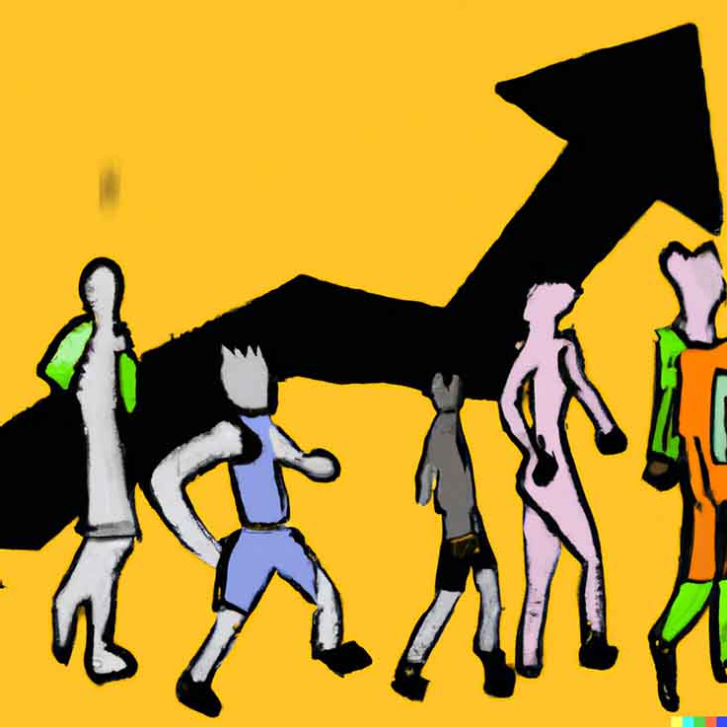
For NGOs, impact comes in different forms and to track the cycles of social change work, we must think across the tangibility and the speed of emergence of change.

With an understanding of these 10 funding models, nonprofit leaders can use the for-profit world's valuable practice of engaging in succinct and clear conversations about long-term financial strategy.

Professionalism has become coded language for white favoritism in workplace practices that more often than not leave behind people of color. This is the fourth of 10 articles in a special series about diversity, equity, and inclusion.