Five-Digit Giving
How texting became young donors’ preferred way to make charitable donations.
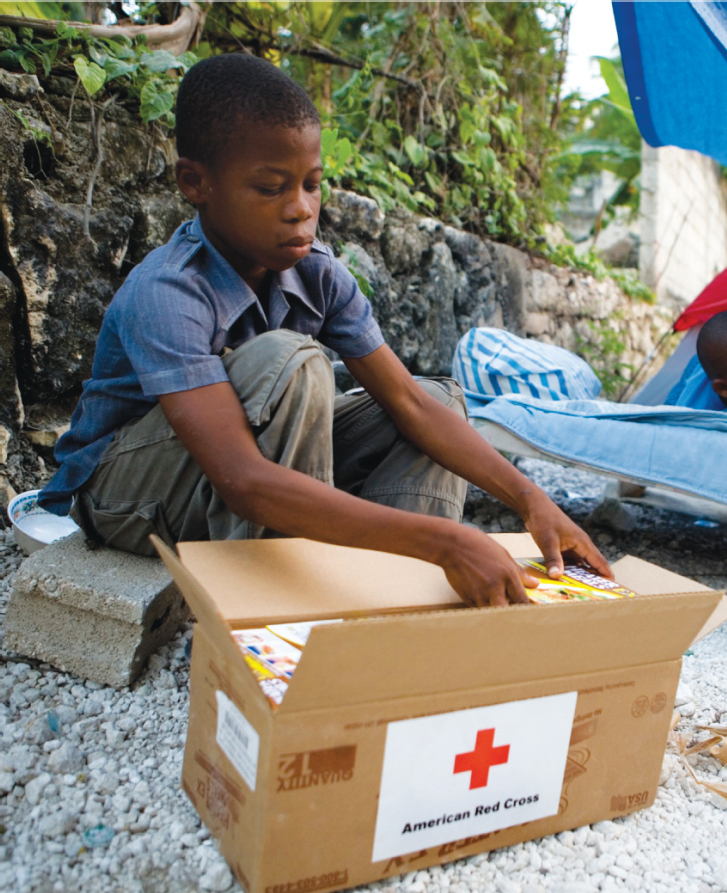
How texting became young donors’ preferred way to make charitable donations.
Real change only occurs when people, and the institutions we collectively form, restructure to make better use of new technology.
How are your tools defining the way you can work or the way you can engage with your community?
“Digital citizenship” and connectivity are opening up new avenues to tap into the creativity, inventiveness and enterprise of youth to create educational and economic opportunities.

Making environmental sustainability stick is requiring the cooperation of the for-profit and nonprofit sectors. In this audio interview, Stanford Center for Social Innovation correspondent Ashkon Jafari interviews Ceres president Mindy Lubber about how her organization brings together investors, government, human rights groups, and others to build a cross-sector voice for sustainability.


Funders are calling for more program evaluation, but nonprofits are often collecting dubious data, at great cost to themselves and ultimately to the people they serve.

Large-scale social change requires broad cross-sector coordination, not the isolated intervention of individual organizations.

For NGOs, impact comes in different forms and to track the cycles of social change work, we must think across the tangibility and the speed of emergence of change.

With an understanding of these 10 funding models, nonprofit leaders can use the for-profit world's valuable practice of engaging in succinct and clear conversations about long-term financial strategy.

Professionalism has become coded language for white favoritism in workplace practices that more often than not leave behind people of color. This is the fourth of 10 articles in a special series about diversity, equity, and inclusion.