


A Theory of Football Activism
Employees are more likely to use their employers to engage in activism when the potential for garnering attention is high and the risk low.

Employees are more likely to use their employers to engage in activism when the potential for garnering attention is high and the risk low.
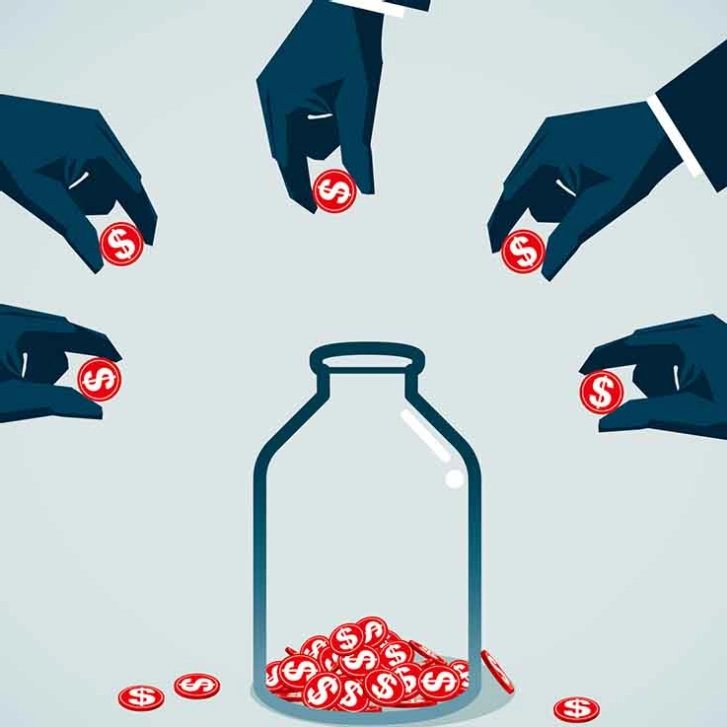
Appeals for donations should be strategic about framing the request in terms of “need” or “want.”

Social entrepreneur Sascha Haselmayer argues for slowness as the most effective method for creating lasting social change.
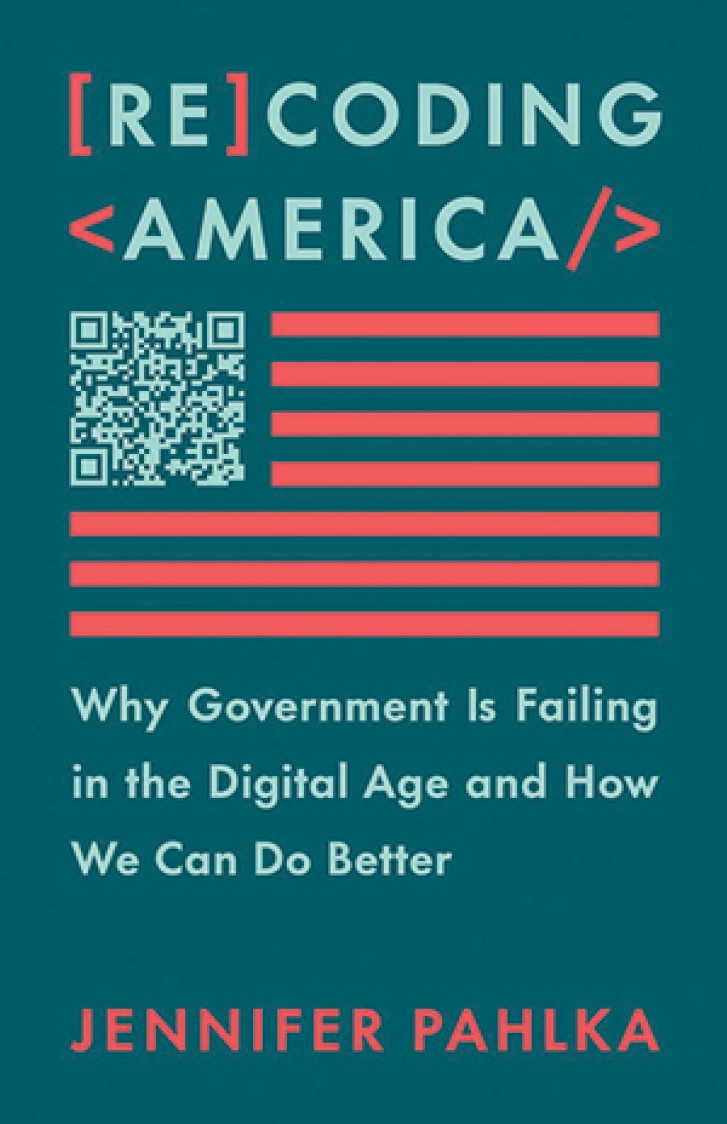
In Recoding America, Barack Obama’s former deputy chief technology officer argues that the success of government policies requires better implementation of digital services for the public.

The digital system should serve the public interest, with much more intentional governance of technology in its broadest terms, including culture, norms, mindsets, institutions, ethics, and participation.


Funders are calling for more program evaluation, but nonprofits are often collecting dubious data, at great cost to themselves and ultimately to the people they serve.

Large-scale social change requires broad cross-sector coordination, not the isolated intervention of individual organizations.
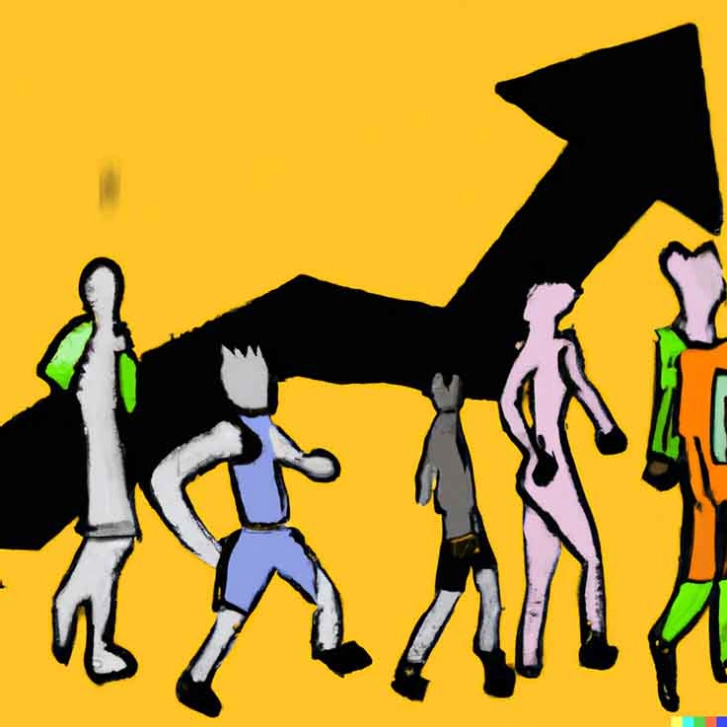
For NGOs, impact comes in different forms and to track the cycles of social change work, we must think across the tangibility and the speed of emergence of change.

With an understanding of these 10 funding models, nonprofit leaders can use the for-profit world's valuable practice of engaging in succinct and clear conversations about long-term financial strategy.

Professionalism has become coded language for white favoritism in workplace practices that more often than not leave behind people of color. This is the fourth of 10 articles in a special series about diversity, equity, and inclusion.