


SSIR Online, Fall 2023 Issue
A collection of standout pieces published online about mental health, impact investing, climate funding, capacity building, and better people and culture practices.

A collection of standout pieces published online about mental health, impact investing, climate funding, capacity building, and better people and culture practices.
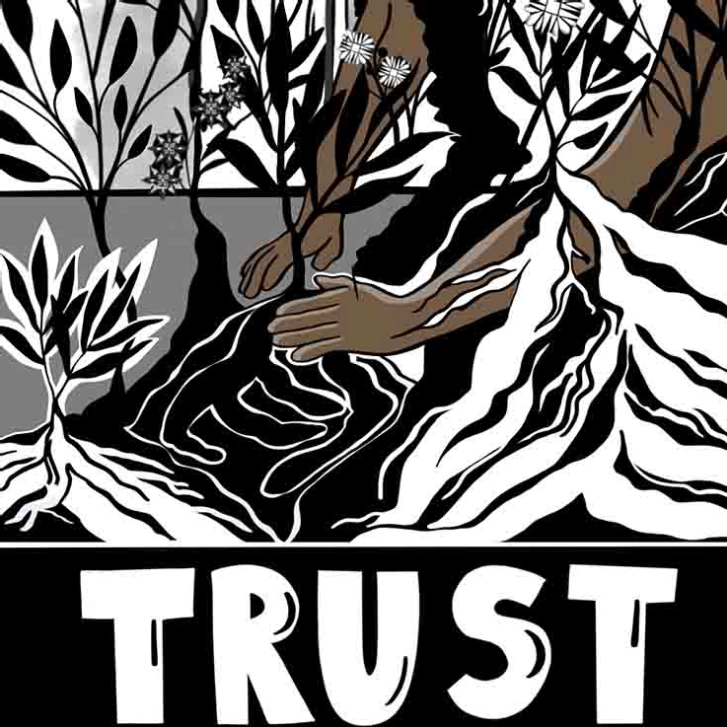
To build shared decision-making, foundations must put aside narrow definitions of rigor and embrace new understandings of accountability.

From the front lines of climate change and health inequities, city leaders are collaborating on solutions and learning from one another how best to rise and meet these challenges.
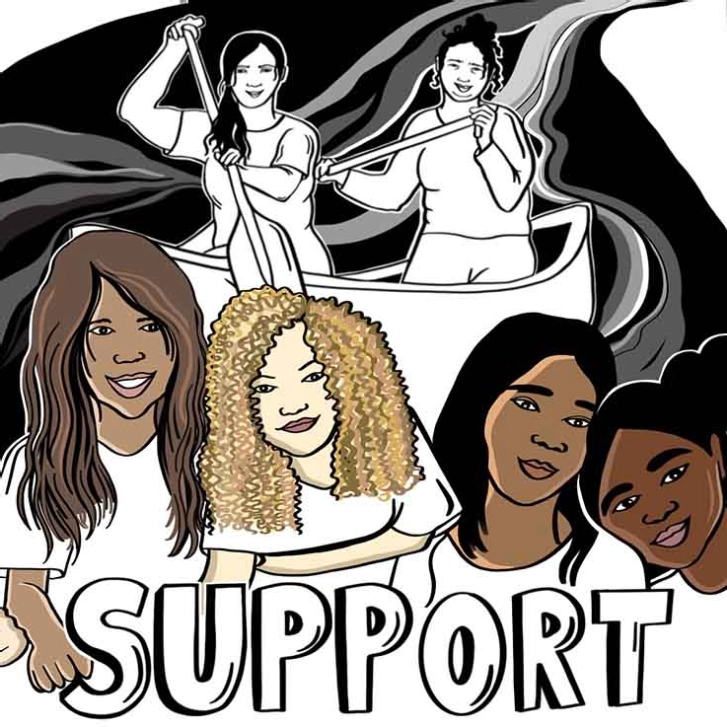
For all the formidable obstacles we faced in building the power of some of California’s most vulnerable residents, our experiences in isolated Del Norte County demonstrate what philanthropic support can do.

A strong leader’s assets can sometimes become organizational liabilities. But why? The problem might be within the structure of the organization itself.


Funders are calling for more program evaluation, but nonprofits are often collecting dubious data, at great cost to themselves and ultimately to the people they serve.

Large-scale social change requires broad cross-sector coordination, not the isolated intervention of individual organizations.
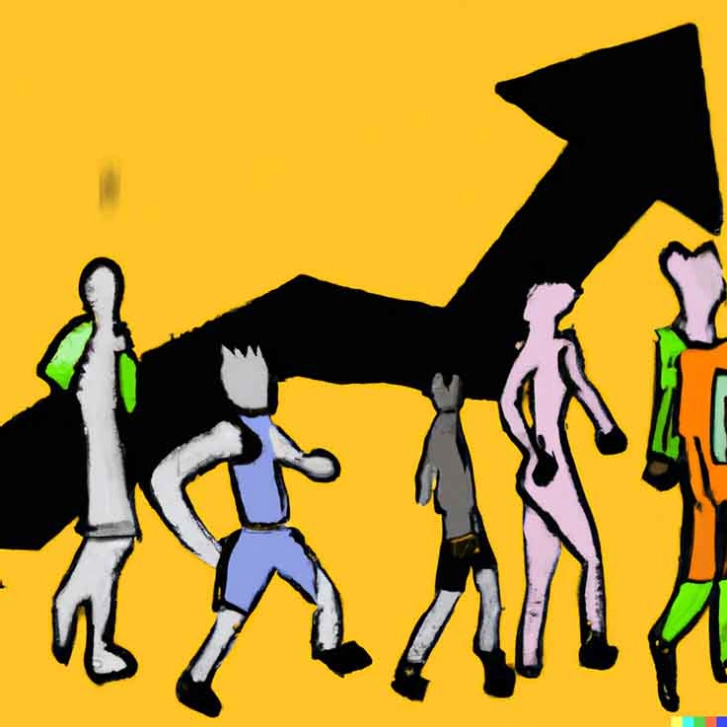
For NGOs, impact comes in different forms and to track the cycles of social change work, we must think across the tangibility and the speed of emergence of change.

With an understanding of these 10 funding models, nonprofit leaders can use the for-profit world's valuable practice of engaging in succinct and clear conversations about long-term financial strategy.

Professionalism has become coded language for white favoritism in workplace practices that more often than not leave behind people of color. This is the fourth of 10 articles in a special series about diversity, equity, and inclusion.