


The Seal of Approval
Certification helps legitimize nonprofits and boosts their fundraising, even in authoritarian contexts.

Certification helps legitimize nonprofits and boosts their fundraising, even in authoritarian contexts.
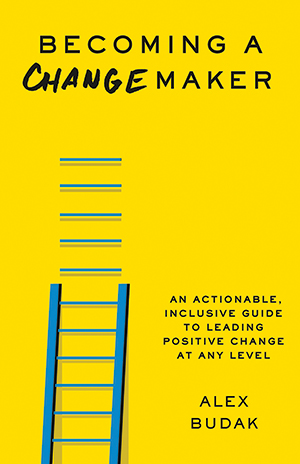
Alex Budak’s Becoming a Changemaker expands an already expansive concept, yet his argument reinforces the hero myth that still dominates social innovation.
While large amounts of money can make a difference, it’s not the only way that philanthropists can have an impact.

A collection of standout pieces published online about 990 data, local social networks, measuring impact, and nonprofit burnout.

It’s time for funders to get real about what social entrepreneurs need to succeed.


Funders are calling for more program evaluation, but nonprofits are often collecting dubious data, at great cost to themselves and ultimately to the people they serve.

Large-scale social change requires broad cross-sector coordination, not the isolated intervention of individual organizations.

For NGOs, impact comes in different forms and to track the cycles of social change work, we must think across the tangibility and the speed of emergence of change.

With an understanding of these 10 funding models, nonprofit leaders can use the for-profit world's valuable practice of engaging in succinct and clear conversations about long-term financial strategy.

Professionalism has become coded language for white favoritism in workplace practices that more often than not leave behind people of color. This is the fourth of 10 articles in a special series about diversity, equity, and inclusion.