


To Meet the Climate Challenge, Philanthropy Must Challenge Itself
Recent rapid growth in climate philanthropy risks redundancy, waste, and friendly fire.

Recent rapid growth in climate philanthropy risks redundancy, waste, and friendly fire.
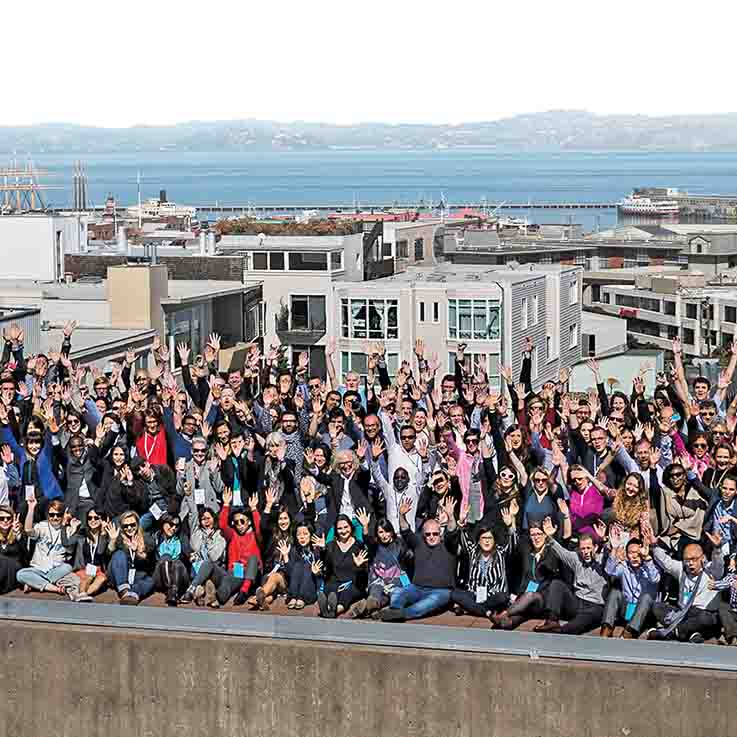
Lessons TechSoup learned from engaging stakeholders as impact investors to support their long-term growth.
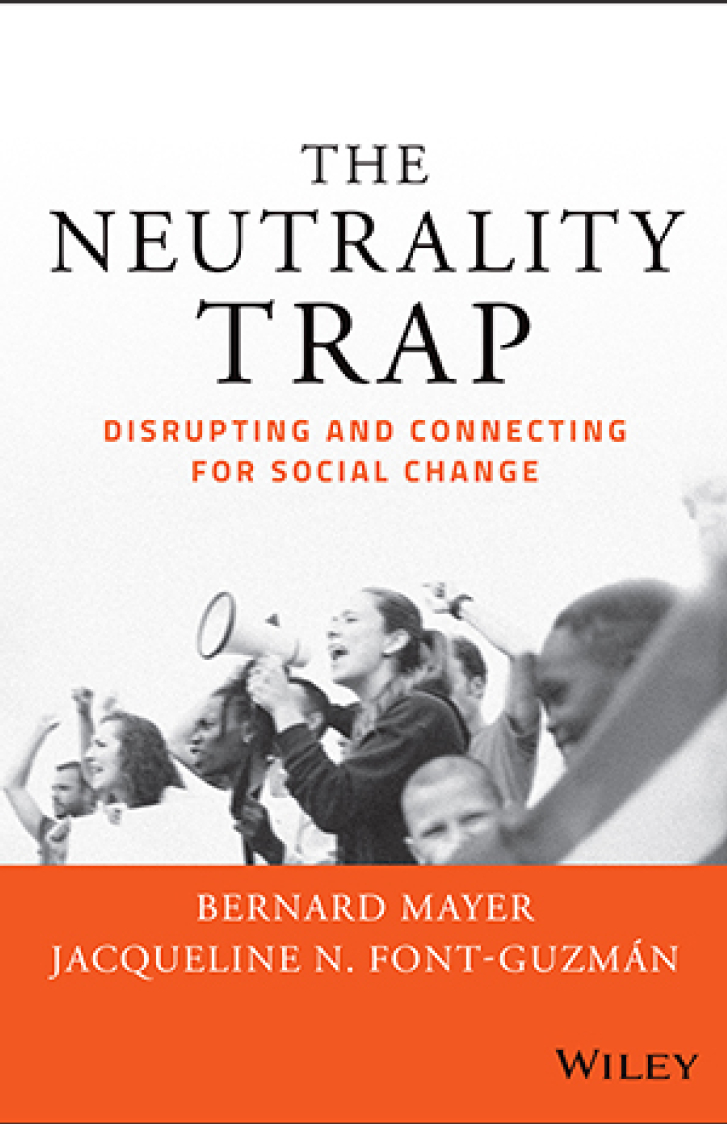
An excerpt from The Neutrality Trap on constructive conflict.
When it comes to donations, people tend to reach for their credit card or checkbook first. However, donating non-cash assets, including real estate, cryptocurrency, artworks, or stocks can be a much more efficient way to maximize your impact. This episode explores the advantages of giving non-cash assets to charity. A sponsored podcast developed with the support of DAFgiving360.

Illinois’ Climate and Equitable Jobs Act shows that transformative policymaking is dependent on a genuinely inclusive process.


Funders are calling for more program evaluation, but nonprofits are often collecting dubious data, at great cost to themselves and ultimately to the people they serve.

Large-scale social change requires broad cross-sector coordination, not the isolated intervention of individual organizations.

For NGOs, impact comes in different forms and to track the cycles of social change work, we must think across the tangibility and the speed of emergence of change.

With an understanding of these 10 funding models, nonprofit leaders can use the for-profit world's valuable practice of engaging in succinct and clear conversations about long-term financial strategy.

Professionalism has become coded language for white favoritism in workplace practices that more often than not leave behind people of color. This is the fourth of 10 articles in a special series about diversity, equity, and inclusion.