


Five Accelerators of Equitable Grantmaking and How to Harness Them
In the last two years, this five-cylinder engine has propelled funders to break through historic barriers to change.

In the last two years, this five-cylinder engine has propelled funders to break through historic barriers to change.
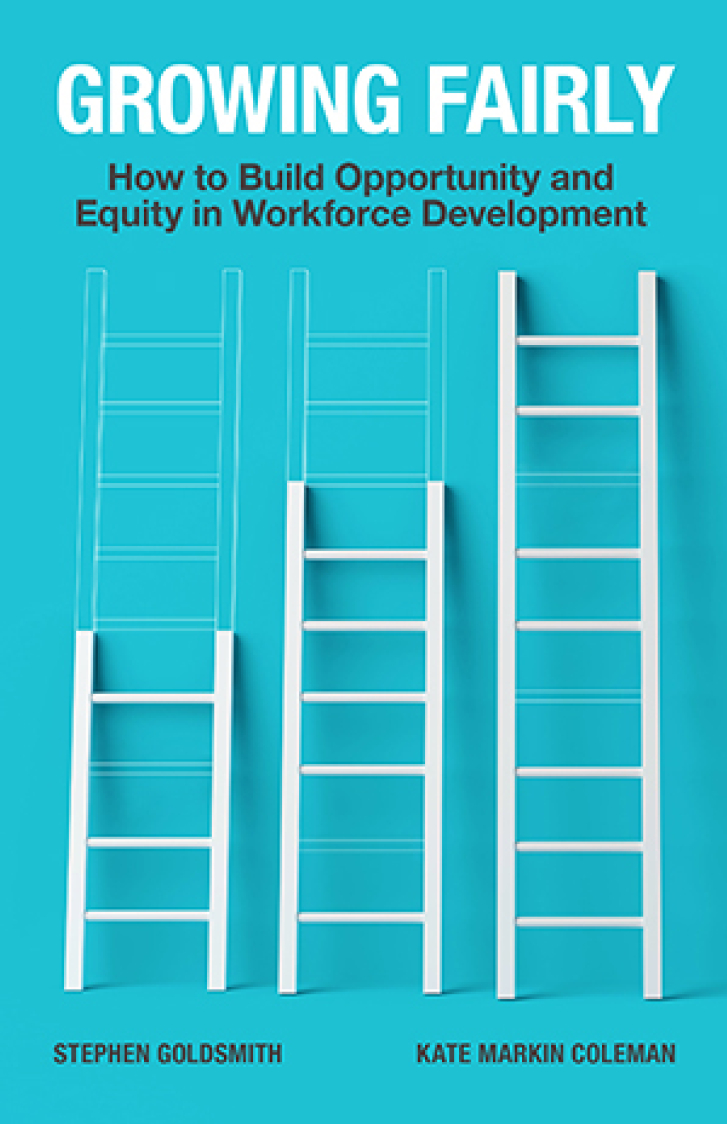
An excerpt from Growing Fairly on building a more equitable system of workforce development.

Why we need cross-sector physical, social, and digital assets to undergird next-gen technologies and how philanthropy can help fuel an equitable innovation ecosystem.

To cure the social sector’s metric monomania, we must get comfortable with complexity.
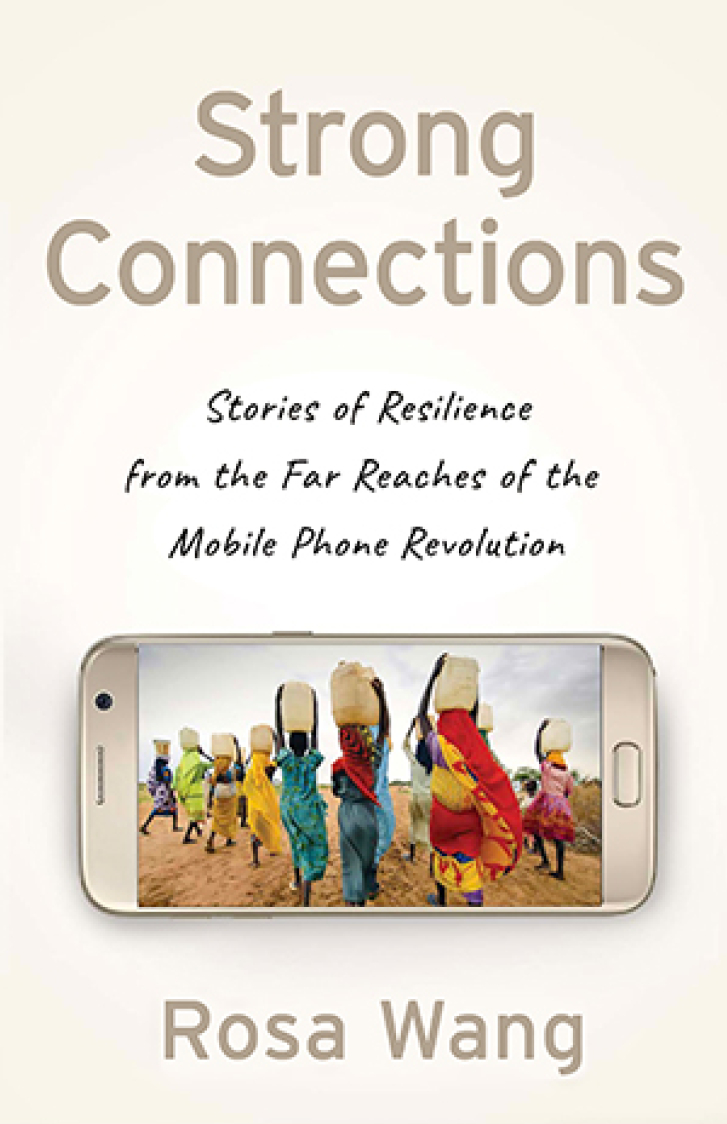
An excerpt from Strong Connections on digitally powering grassroots innovation.


Funders are calling for more program evaluation, but nonprofits are often collecting dubious data, at great cost to themselves and ultimately to the people they serve.

Large-scale social change requires broad cross-sector coordination, not the isolated intervention of individual organizations.

For NGOs, impact comes in different forms and to track the cycles of social change work, we must think across the tangibility and the speed of emergence of change.

With an understanding of these 10 funding models, nonprofit leaders can use the for-profit world's valuable practice of engaging in succinct and clear conversations about long-term financial strategy.

Professionalism has become coded language for white favoritism in workplace practices that more often than not leave behind people of color. This is the fourth of 10 articles in a special series about diversity, equity, and inclusion.