


Autobahn Alternative?
The two-person company Solmove has a plan to pave Germany’s roads with small, durable, slip-resistant solar panels. A What's Next article from the Fall 2019 issue.
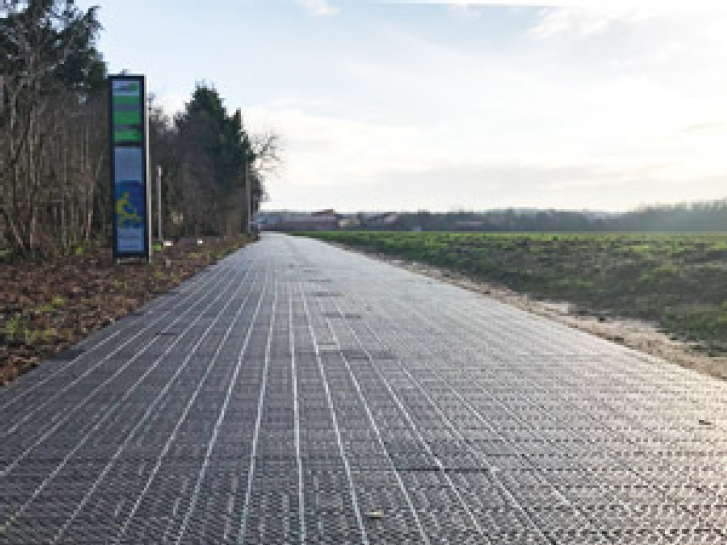
The two-person company Solmove has a plan to pave Germany’s roads with small, durable, slip-resistant solar panels. A What's Next article from the Fall 2019 issue.
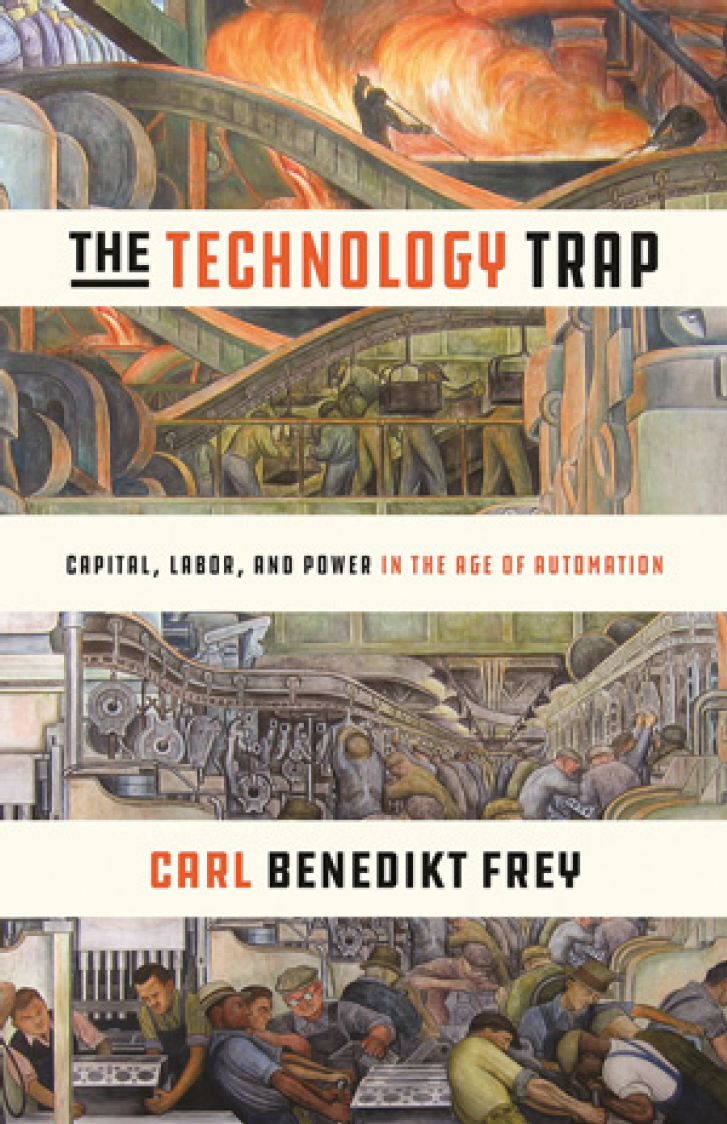
Economist Carl Benedikt Frey offers a refreshingly human-centered analysis of technological progress in The Technology Trap: Capital, Labor, and Power in the Age of Automation. A book review from the Fall 2019 issue.
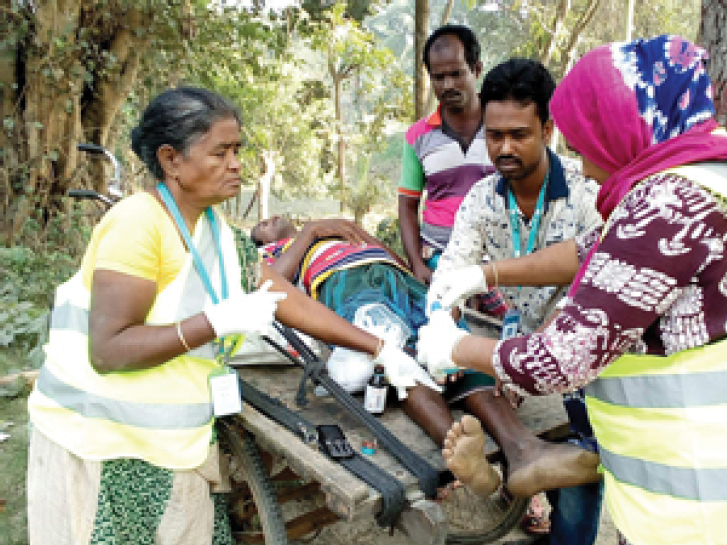
The chaos of Dhaka's roads inspired Jon Moussally, a physician in Massachusetts and instructor at the Harvard T.H. Chan School of Public Health, to cofound a volunteer-based emergency response system aimed at reducing death from road traffic injuries. A Field Report from the Fall 2019 issue.

The international nonprofit Orbis' investments in cutting-edge technologies have revolutionized its telemedicine capabilities by expediting two-way communication between ophthalmologists in the United States and Europe and their counterparts in Asia, Africa, and South America.. A Field Report from the Fall 2019 issue.
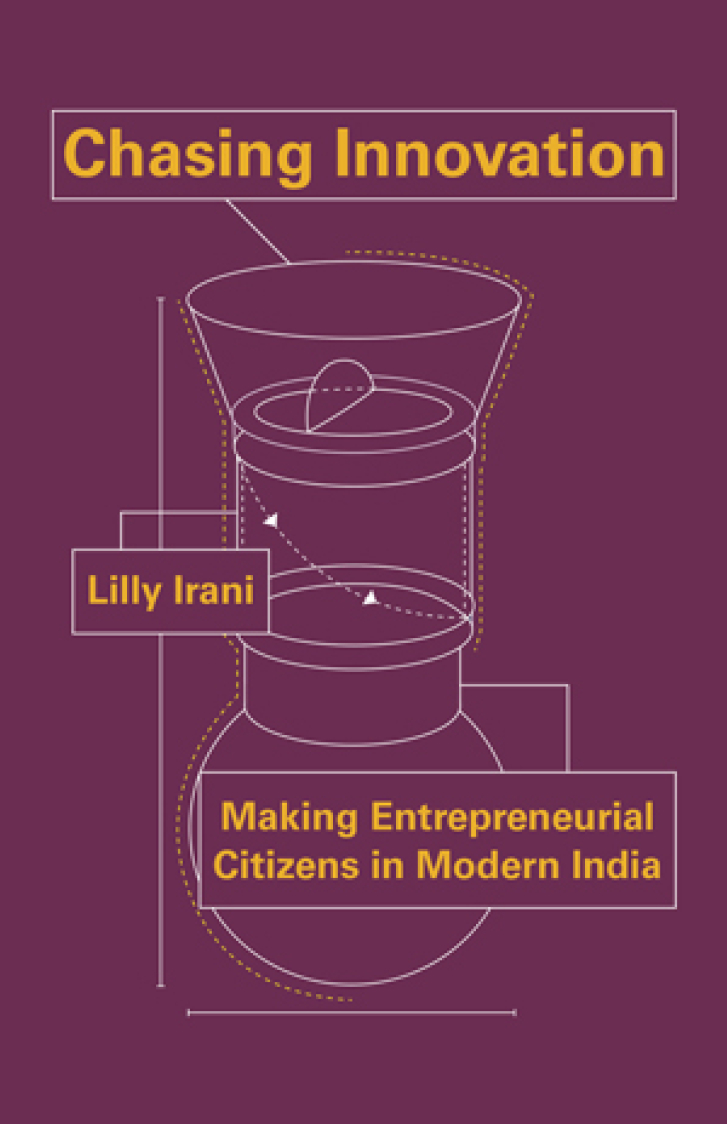
An excerpt from Chasing Innovation explores how innovators can improve their entrepreneurial practices.


Five principles based in social science that will help organizations connect their work to what people care most about.

Six pathways to making housing more affordable and available from the Ivory Prize for Housing Affordability.

A recent study found three common barriers to knowledge sharing across nonprofits and their networks, as well as ways and means to overcome them.

Two veterans of consumer psychology, marketing, and entrepreneurship provide a guide to using social media for social change.

Using artificial intelligence to predict behavior can lead to devastating policy mistakes. Health and development programs must learn to apply causal models that better explain why people behave the way they do to help identify the most effective levers for change.