


Open Social Innovation
A new approach to tackling social problems orchestrates the participation of multiple stakeholders in the process from generating ideas to scaling solutions.
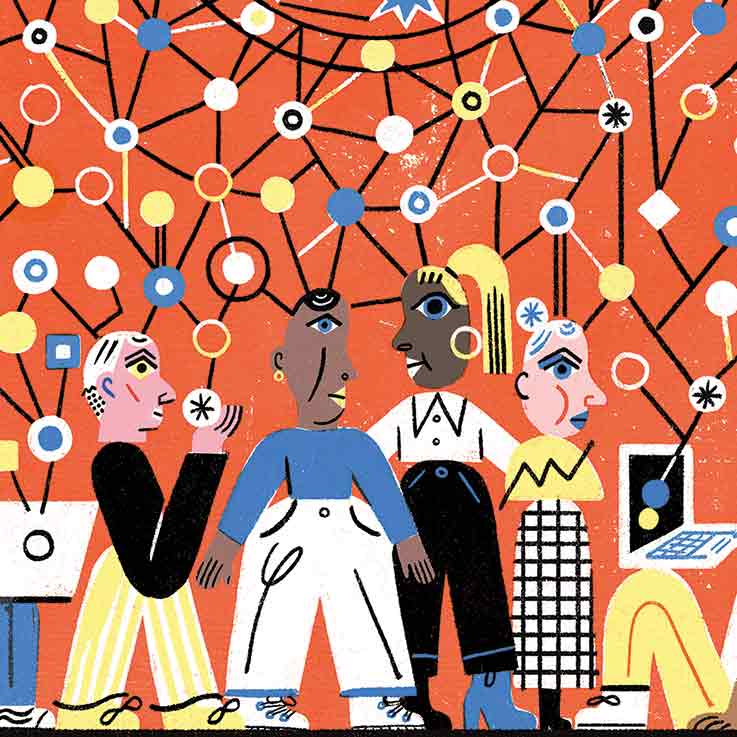
A new approach to tackling social problems orchestrates the participation of multiple stakeholders in the process from generating ideas to scaling solutions.

Economists have obsessed over the question of negative externalities, but market arrangements can also generate positive externalities. We should consider how to harness them for public good. | Open access to this article made possible by Harvard Business School Division of Research and Faculty Development

Systems change efforts that focus on boosting social capital and collective efficacy through building relationships within communities show promise. But do we have the patience to wait for them to work?
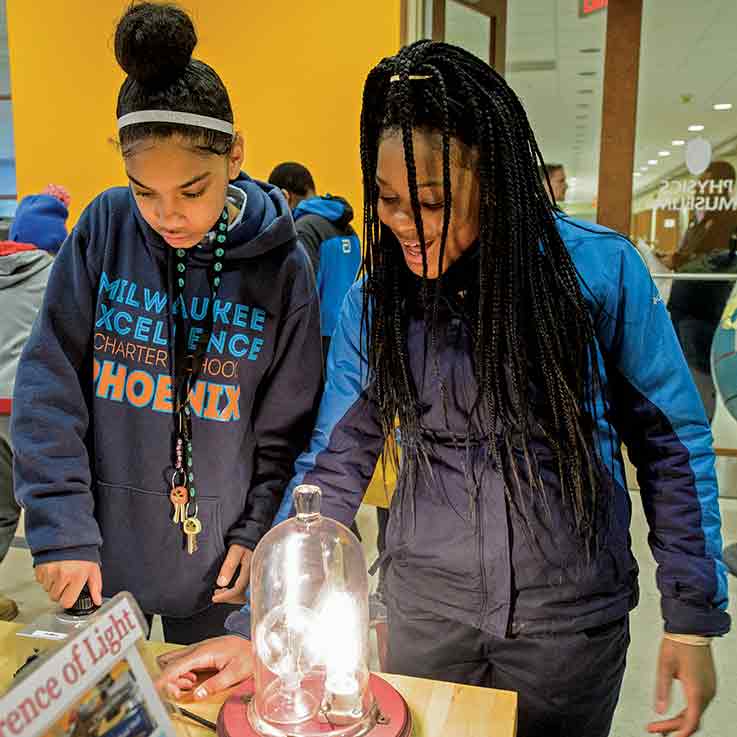
It’s time for science philanthropy and communication to cocreate a new era of partnership with communities of color. | Open-access to this article made possible by the Rita Allen Foundation.

Last spring, as the COVID-19 pandemic magnified the United States’ racial and class inequities, Teach for America endeavored to put philanthropic power in younger, more racially diverse hands.


Funders are calling for more program evaluation, but nonprofits are often collecting dubious data, at great cost to themselves and ultimately to the people they serve.

Large-scale social change requires broad cross-sector coordination, not the isolated intervention of individual organizations.
For NGOs, impact comes in different forms and to track the cycles of social change work, we must think across the tangibility and the speed of emergence of change.

With an understanding of these 10 funding models, nonprofit leaders can use the for-profit world's valuable practice of engaging in succinct and clear conversations about long-term financial strategy.

Professionalism has become coded language for white favoritism in workplace practices that more often than not leave behind people of color. This is the fourth of 10 articles in a special series about diversity, equity, and inclusion.