Solving for Shelter: Matching Income Volatility with Housing Stability
Housing programs and policies implicitly assume households have stable incomes. Here’s some ways to change them.
Housing programs and policies implicitly assume households have stable incomes. Here’s some ways to change them.
The William and Flora Hewlett Foundation and Stanford Social Innovation Review have partnered to publish a 15-part series of articles exploring whether and how philanthropy and nonprofits can improve US voter turnout and civic participation.
Let’s be ambitious about using innovative financing to help sort out global supply chains, provide catalytic capital for energy transition, and link talent in emerging markets to online marketplaces.
Philanthropy needs to support climate justice, undercut the power of the fossil fuel industry, beware false solutions, and support clean energy.

Donors face an urgent and critical choice: continue to prioritize military initiatives, or invest more in improving governance.
Welfare reform to encourage work doesn’t take into account how unstable jobs have become, especially for the poorest.
Solving the problem means taking an inclusive approach to foster sustainable development in the countries of origin.
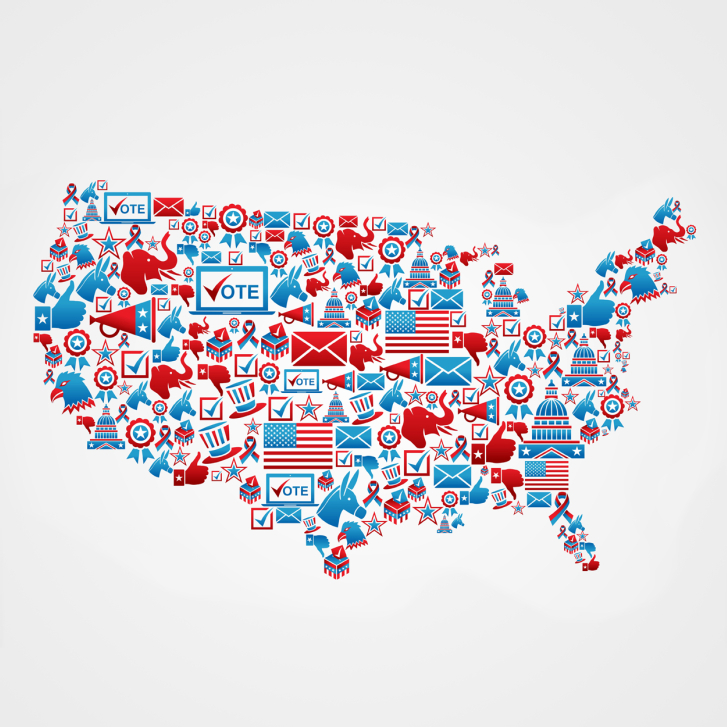
In this 15-part series, election experts from government, academia, and the private and nonprofit sectors will weigh in on important questions, including: What can the social sector do to improve voter turnout in the United States?
Business has an important role to play in social change, but not through corporate social responsibility.