


President Carter’s Inspiring Model of Civic Leadership
His post-presidency demonstrated a special combination of bold aspiration coupled with strategic, detailed, and sustained execution.

His post-presidency demonstrated a special combination of bold aspiration coupled with strategic, detailed, and sustained execution.

Low-turnout off-cycle elections are bad for everyone. Civil society can help.

The climate-driven wildfire crisis calls for a comprehensive, cross-sector approach to funding, research, and action.

How AI-driven text and voice analysis can transform impact investing strategies.
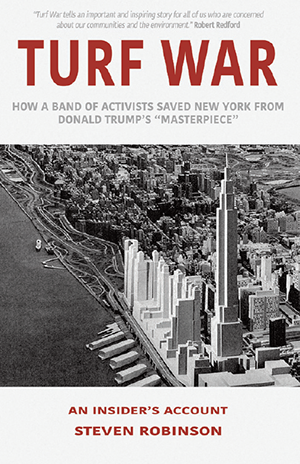
An excerpt from Turf War on opposing Trump’s Television City development in the 1980s

Improving the effectiveness of development innovations

Innovation stories on social connection, empowering youth, and revitalizing green spaces offer some year-end inspiration.

In a sea of “why,” some notes on “how.”

Healing trauma in systems; a critique of strategic philanthropy; nonprofit growth revisited; AI-powered nonprofits; communication in a new era; and more.

To address government workforce shortages, the public sector must apply an outcomes-driven model to its culture and change the workplace to meet Gen Z where they are.