


sponsored
A Technologist Walks Into the US Government
Why representation, resources, and mentorship matter most when growing a diverse community of public interest technologists.

Why representation, resources, and mentorship matter most when growing a diverse community of public interest technologists.

An innovative approach to traffic safety cut fatalities in half on one of India’s most dangerous highways.

To create just, equitable, and self-determined tech futures that work for everyone, we need to center and support voices from the communities most impacted by tech’s biases and harms. A more just tech future requires deep investment in people to make space for visioning and creation, not simply tech solutions.

The rise of the venture capital-backed delivery economy demands a cross-sector pushback.

An innovative partnership between lawyers for the ACLU of Massachusetts and public interest technologist Paola Villarreal resulted in the single largest dismissal of wrongful convictions in US history.
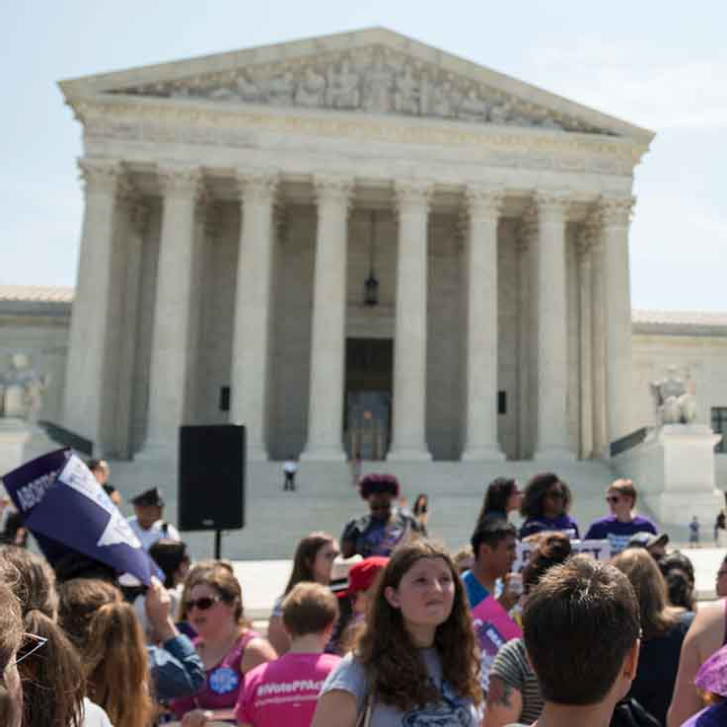
How the overturning of Roe v. Wade will affect fundraising and strategy for organizations—whether they provide abortion care or not.

Ahead of SSIR’s 2022 Data on Purpose conference, “Putting the Public Interest Before Technology,” here’s a collection of articles and books exploring how social change leaders can advocate for technology that is designed, deployed, and regulated in responsible and equitable ways.

Nonprofits and funders can go too far in pointing fingers at their own shortcomings. The reality is that they are playing on an uneven psychological field.

Why the science, technology, engineering, and mathematics (STEM) field in the United States struggles to recruit and retain women—especially women of color—and three strategies to support their professional development and leadership in these fields.
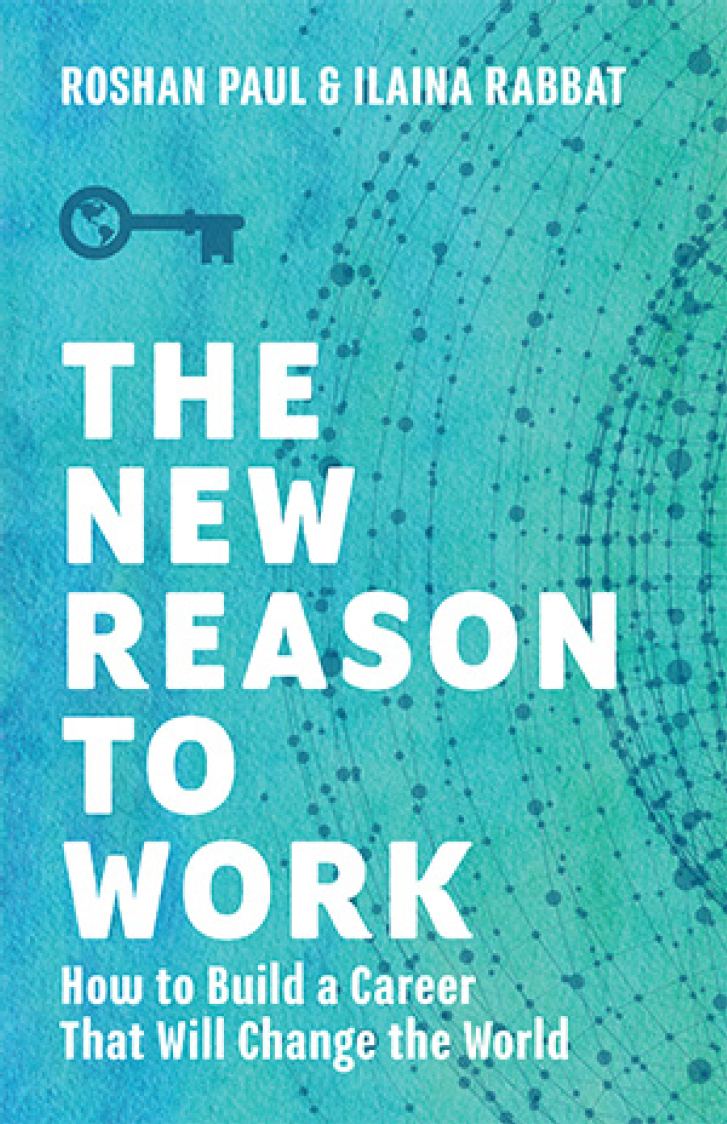
An excerpt from The New Reason to Work on intentional and authentic networking, which means adding value to others as much as seeking help from them.