


Comedy for Social Change
An excerpt from The Revolution Will Be Hilarious on activism and entertainment
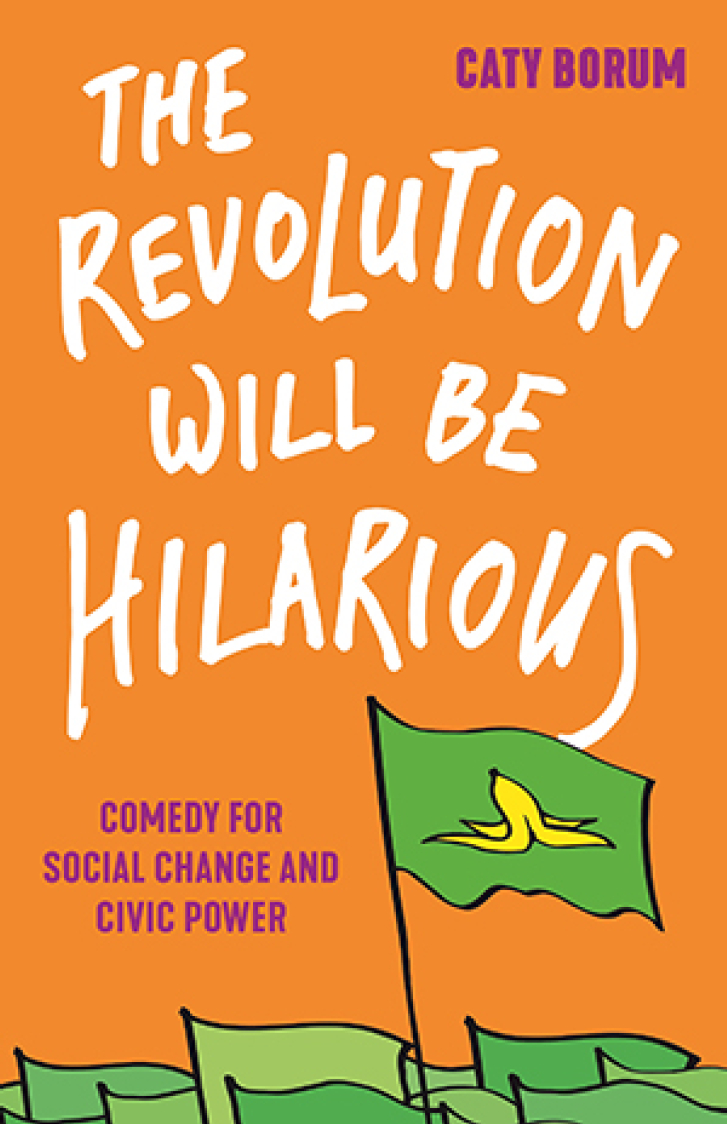
An excerpt from The Revolution Will Be Hilarious on activism and entertainment
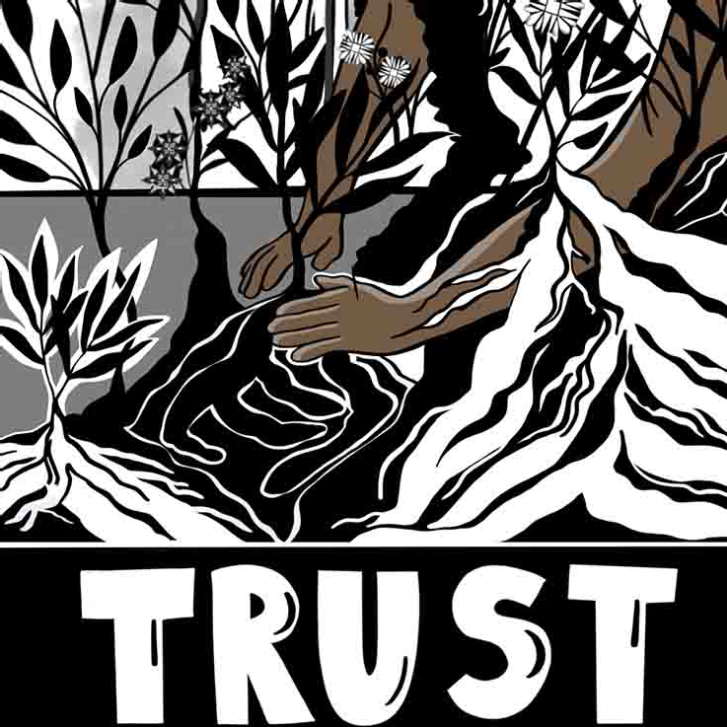
To build shared decision-making, foundations must put aside narrow definitions of rigor and embrace new understandings of accountability.

From the front lines of climate change and health inequities, city leaders are collaborating on solutions and learning from one another how best to rise and meet these challenges.
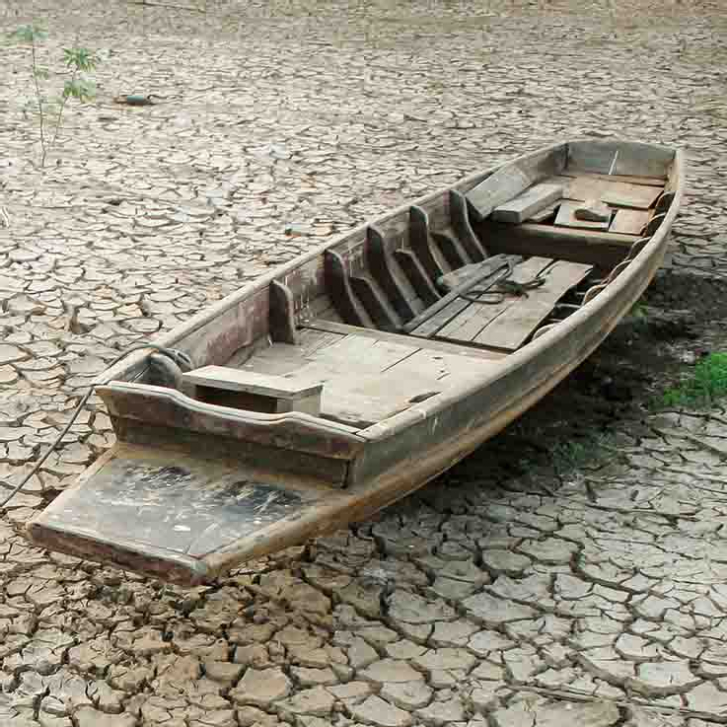
Though potentially a win-win solution for the developing world’s debtors and creditors alike, debt-for-climate swaps must be well-designed and implemented if they are to be effective.
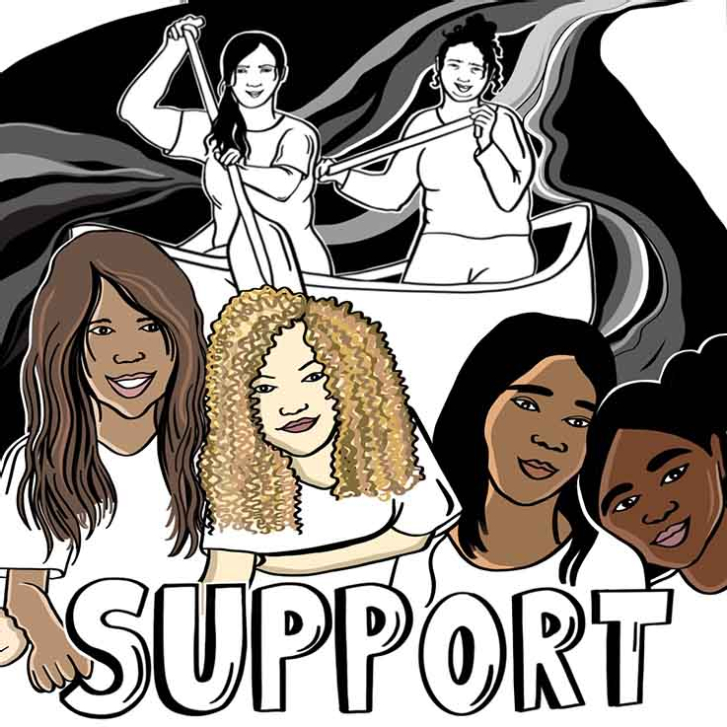
For all the formidable obstacles we faced in building the power of some of California’s most vulnerable residents, our experiences in isolated Del Norte County demonstrate what philanthropic support can do.

A strong leader’s assets can sometimes become organizational liabilities. But why? The problem might be within the structure of the organization itself.

We all benefit when our most transformative change agents are given the time and resources necessary to dream big.
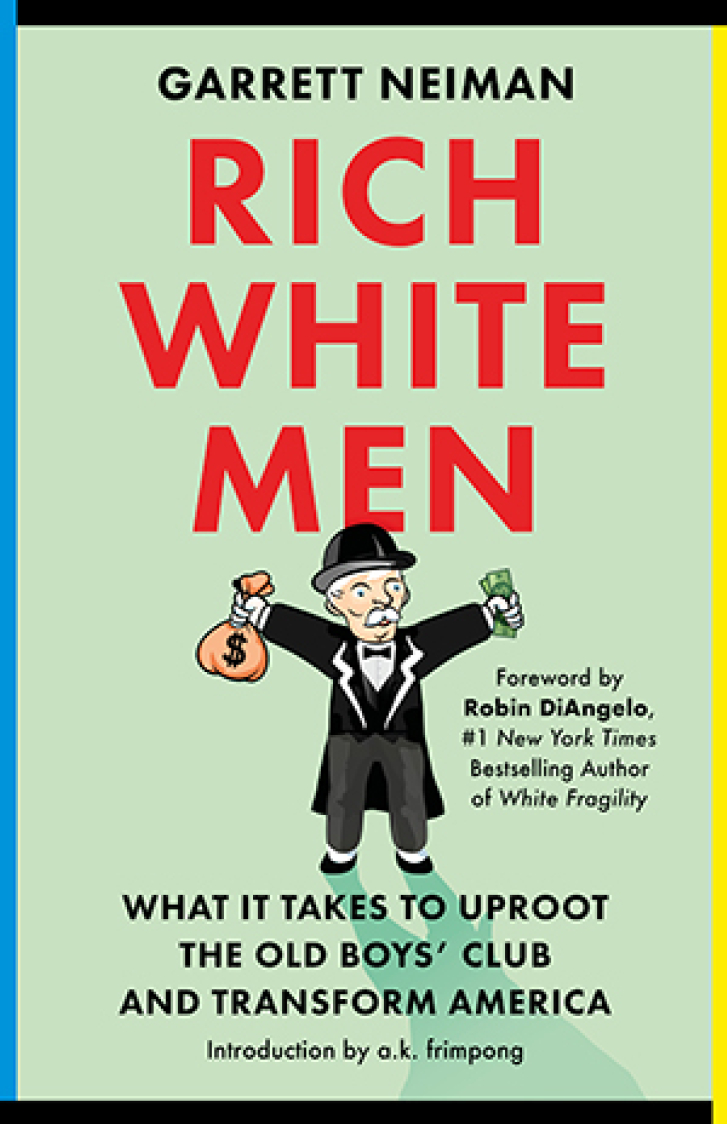
An excerpt from Rich White Men on the life-changing impact of inherited privilege
Building power for the long term, means going beyond “The Win.”

How artists, communities, and funders can come together to effectively promote local change.