


Bringing Organizational Cultures Together for Social Impact
Bringing different organizations’ cultures together and building an effective inter-organizational culture can be done, but only if participants are savvy and intentional about culture.
Innovative ways to enhance corporate social responsibility (more)

Bringing different organizations’ cultures together and building an effective inter-organizational culture can be done, but only if participants are savvy and intentional about culture.

How to fund, protect, and grow public interest information.

Conventional needs-based development policies can be harmful to informal businesses. Instead, development professionals must embrace an asset-based approach, identifying how existing collective solutions foster business resilience. | Open-access to this article made possible by the Concordia University Research Chair in Resilience and Institutions, John Molson School of Business, Concordia University.

Private-sector capital must be brought to the table in a more deliberate way to catalyze social innovation.

In Terrible Beauty, Auden Schendler argues that by focusing on incremental rather than systemic change, the corporate sustainability movement has played into the fossil-fuel industry’s hands.

There are many reasons why philanthropists still haven’t supported SMEs at the scale we need. They need to get over it; the opportunity to leverage impact is enormous.

An excerpt from The Viking Code on flourishing through collective spirit
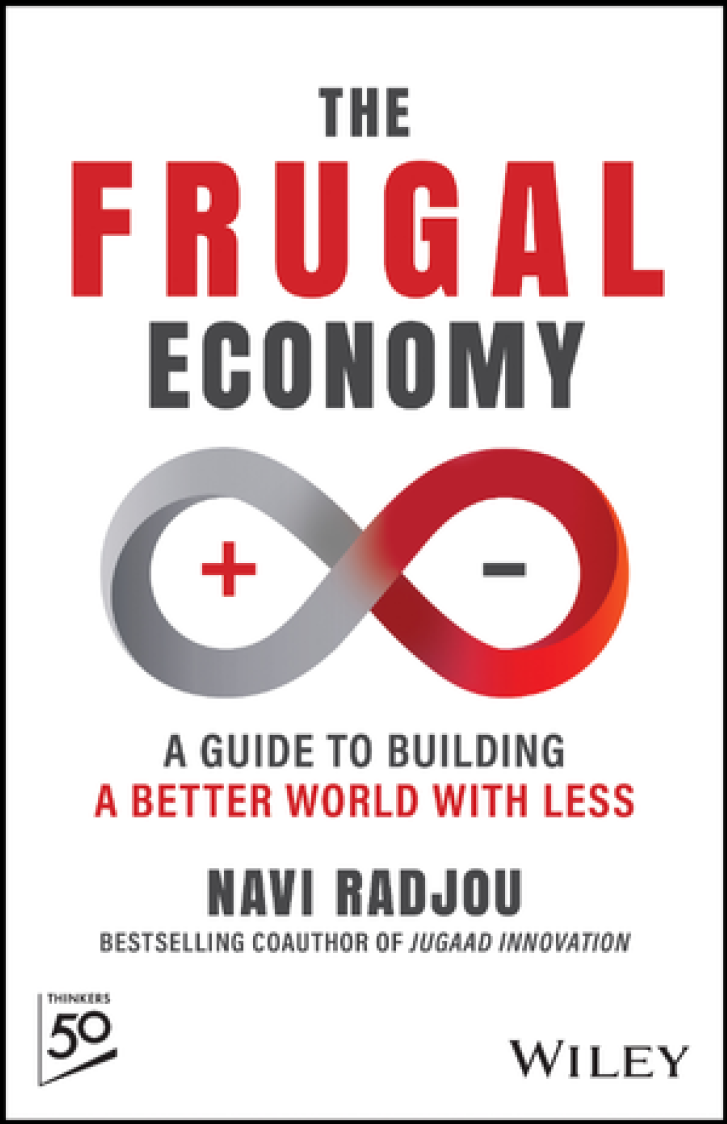
An excerpt from The Frugal Economy on regenerating people, places, and the planet

Business leaders are under pressure to address the climate crisis, but they can’t do so alone. Climate alliances can help leaders and firms be more ambitious, responsible, and effective in driving the systems change necessary to save the planet.

minoHealth AI Labs seeks to streamline diagnostic imaging to accelerate health-care treatment and improve health outcomes in Africa.