


Platform Power to the People
The coronavirus pandemic has shown how digital tools can foster online engagement that leads to real benefits for working people.
New and in-depth explorations of solutions to social, environmental, or organizational problems (more)

The coronavirus pandemic has shown how digital tools can foster online engagement that leads to real benefits for working people.

For the past 30 years, celebrated academics and business leaders have promoted the idea that companies often profit by addressing social and environmental problems. Although these proposals have been hailed as promising breakthroughs, they are unscientific and counterproductive.

To address more complex social challenges, design thinking must become radically more collaborative and oriented toward systems change.

Employees increasingly want their employers to become more responsible corporate citizens. Here is a playbook for how employees can be effective change agents and how leaders can respond to employee activism.
Open-access to this article made possible by The Pennsylvania State University and The University of Washington.
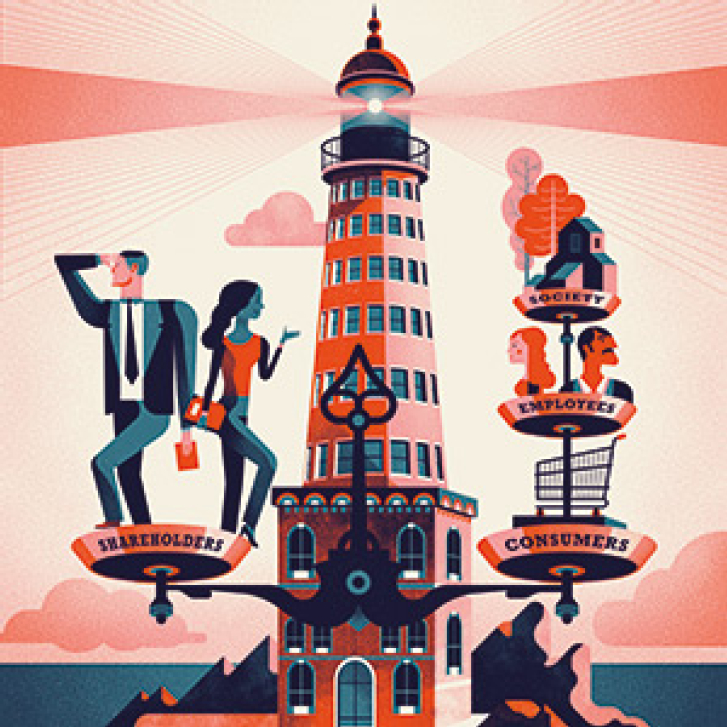
The campaign to reform capitalism by making companies prioritize stakeholders could never succeed without getting large multinational corporations on board. Now that Danone, Laureate Education, and Natura have signed on, the B Corp movement is demonstrating how it can be done.

Nonprofits that serve communities of color struggle to survive because of systemic racial disparities and biases. To surmount these challenges, we recommend seven approaches that have emerged from our work with these communities.
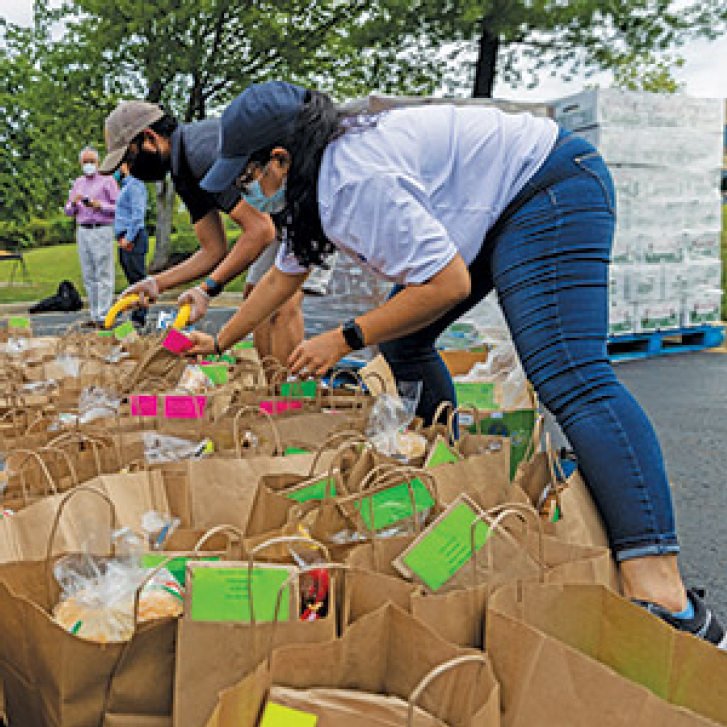
Limiting what counts as philanthropy has curtailed our understanding of its scope and social value. A more expansive approach shows how it is essential for creating a more equitable and democratic society.
Open-access to this article made possible by Indiana University Lilly Family School of Philanthropy.
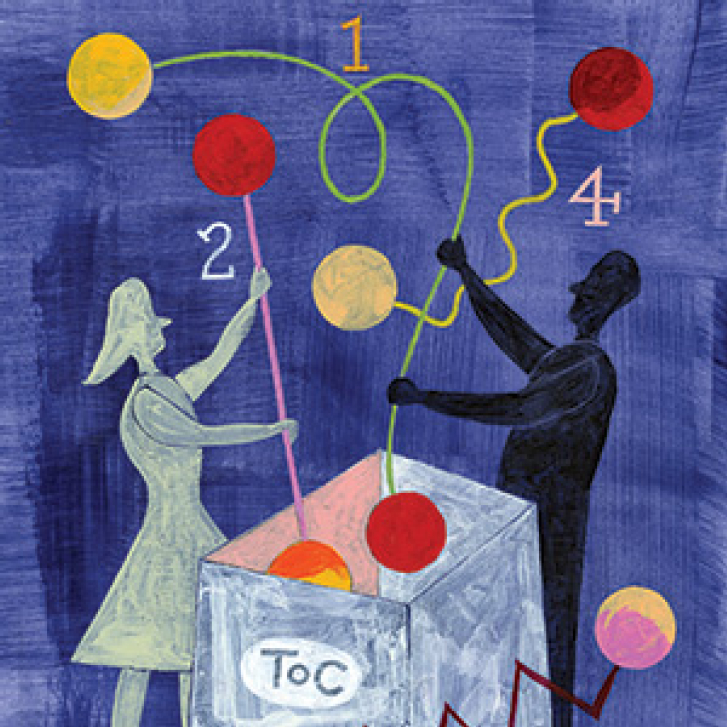
The term “theory of change” is as popular as it is confusing. By gaining a clearer understanding of its various interpretations, practitioners in the social sector can more effectively implement and assess their interventions.

New research into organizational culture demonstrates how people can guide social and sustainability goals and help foster a more inclusive environment. A feature story from the Summer 2020 issue.
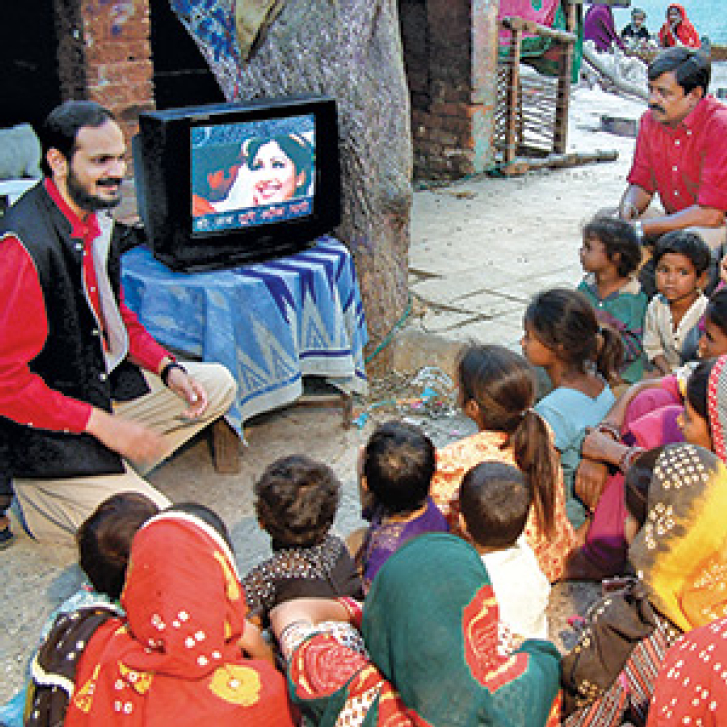
Same language subtitling (SLS) on India’s major TV channels went from concept in 1996 to national broadcast policy in 2019. This is the story of how we did it. A feature story from the Summer 2020 issue.