


Flushing Taboo
The biggest obstacle to eradicating India’s sanitation problem is a social tradition based in its caste system. A Field Report from the Spring 2020 issue.
Innovations in health care policies and programs (more)
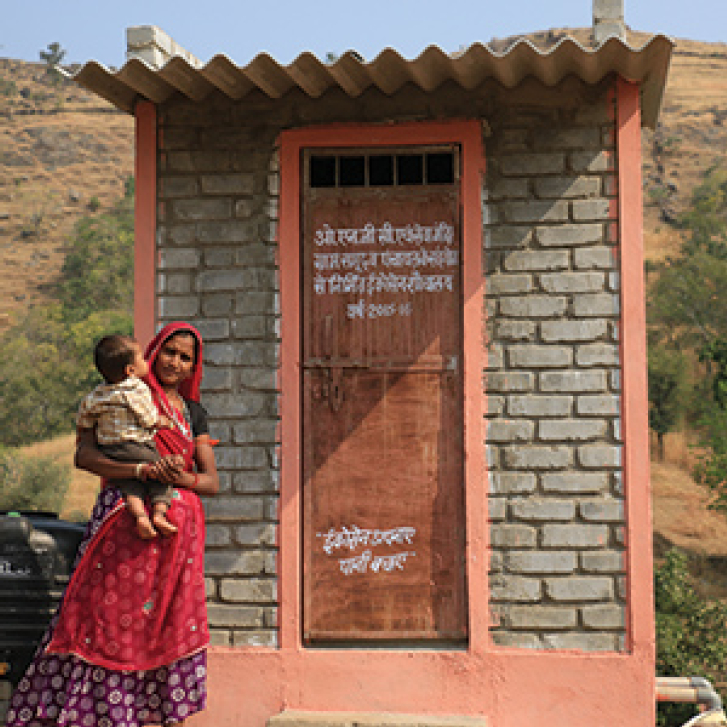
The biggest obstacle to eradicating India’s sanitation problem is a social tradition based in its caste system. A Field Report from the Spring 2020 issue.

A University of Illinois workplace wellness program reveals the central role of self-selection by participants. A Research article from the Spring 2020 issue.

Co-creating evidence with communities and decision makers can lead to research with more impact.
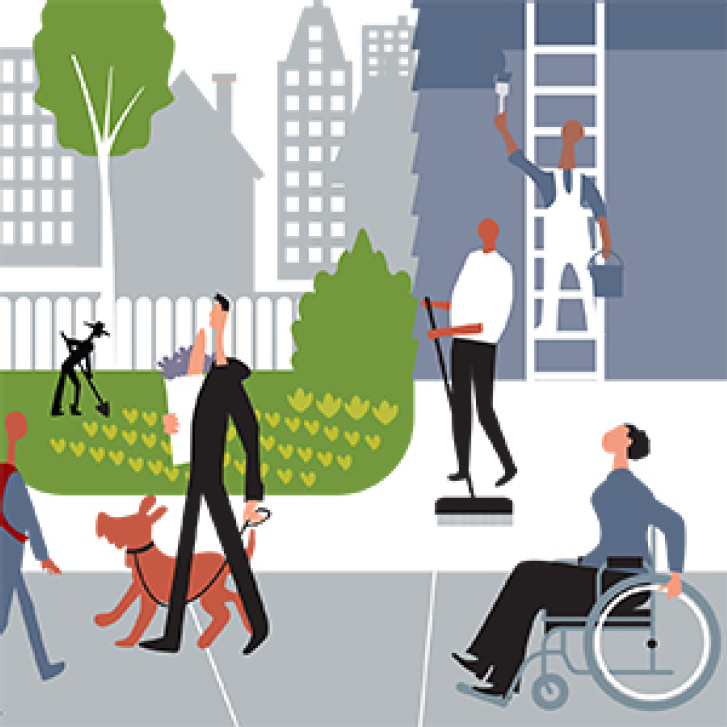
To realize the full value of human services community-based organizations, we need to change both the narrative around what they do and the structures for funding them, stressing shared values and a commitment to outcomes.

Highlights from the magazine and website.

A public health innovation shows that innovators can accelerate the diffusion of products with social impact by pairing design thinking and behavioral science.

Organizations must connect their causes to the personal aspirations of their audiences to transform public attitudes. A feature story from the Winter 2020 issue.

After Reesha and Ronald Howard's infant son experienced problems with dairy, they understood the importance of giving other families options to conveniently purchase vegan products in public spaces for health reasons. A What's Next article from the Winter 2020 issue.

Instead of simply pegging success to traditional economic measures, like GDP, New Zealand wants policymaking to be driven by what will make the biggest difference to the well-being of people, their communities, and the environment. A What's Next article from the Winter 2020 issue.

As human-centered design in global public health enters its adolescence, we offer a guide to help practitioners break through their misperceptions of people's needs to prescribe real solutions.