Thinking Small
The problem with “changing the world” is that it probably involves invoking impossibly superficial means to address oversimplified problems.
Innovative ways to develop strong leadership capabilities (more)
The problem with “changing the world” is that it probably involves invoking impossibly superficial means to address oversimplified problems.
It turns out that change initiatives are very often driven by intrapreneurs—individuals working in so-called “conventional” roles.

Habitat for Humanity's Jonathan Reckford talks about what makes an exceptional leader, his career journey, sources of inspiration, and the principles behind managing organizations well.

Nonprofits must have influential board members who connect them to the communities they serve.
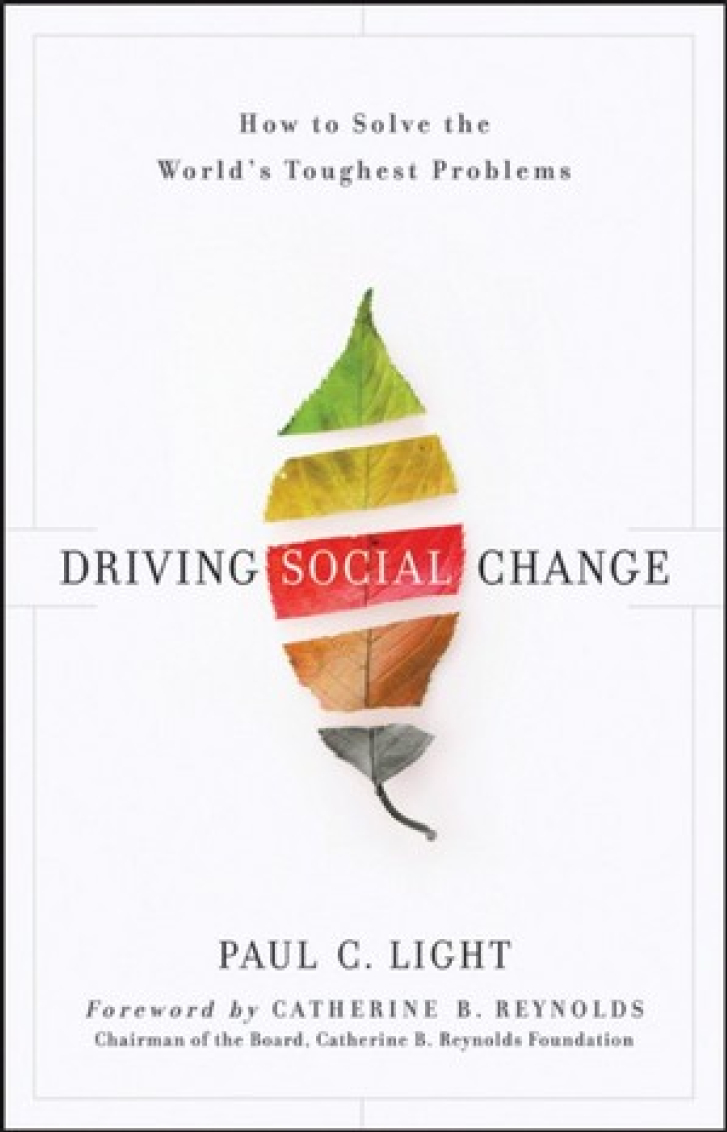
Driving Social Change: How to Solve the World’s Toughest Problems by Paul C. Light

20Under40: Re-Inventing the Arts and Arts Education for the 21st Century Edited by Edward P. Clapp

The Imaginations of Unreasonable Men: Inspiration, Vision, and Purpose in the Quest to End Malaria by Bill Shore

Microsoft founder Bill Gates challenges Stanford MBA students to take on the world’s difficult problems as a focus of their career or life mission.
Investing in leadership development represents a prerequisite to a new US foreign policy that is more in accord with today’s unstable and volatile times.
There are new leaders coming into the nonprofit sector with ideas that have the potential to change the way social change happens. It’s time to ask some new questions.