


Centering Equity in Collective Impact
A decade of applying the collective impact approach to address social problems has taught us that equity is central to the work.

A decade of applying the collective impact approach to address social problems has taught us that equity is central to the work.

Empowering people with disabilities at work advances social inclusion and is good for business. Digital accessibility is essential to efforts at Microsoft to create opportunities for disabled talent.

With the dual goal of protecting the vital waterway and supporting communities that depend on it, the Cairo-based, youth-led organization VeryNile is partnering with local fishers and crafters to collect, recycle, and upcycle plastic waste.
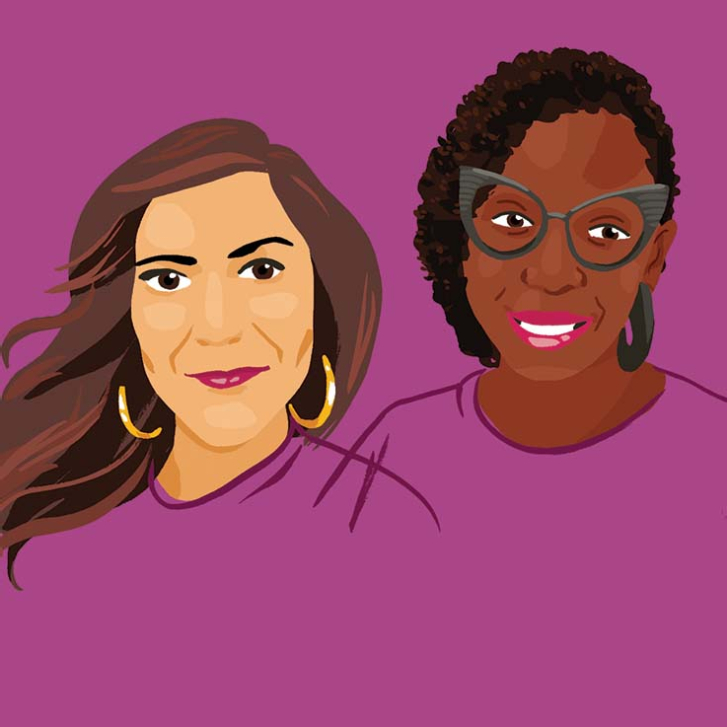
After many years of excluding the disability community, philanthropy is starting to make changes. The Ford Foundation’s awakening on disability inclusion offers a model for the rest of the sector.
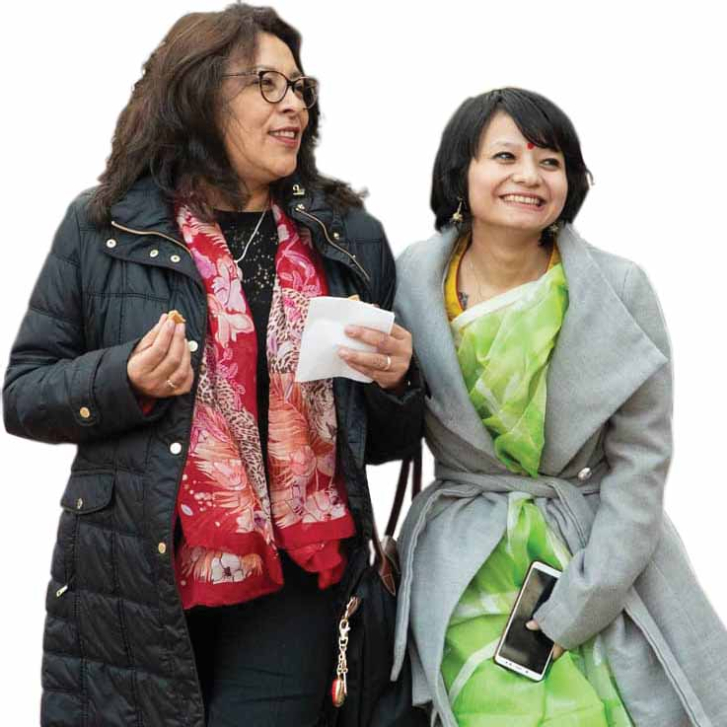
Indian nonprofit Femme First Foundation aims to increase women’s political representation in the country.
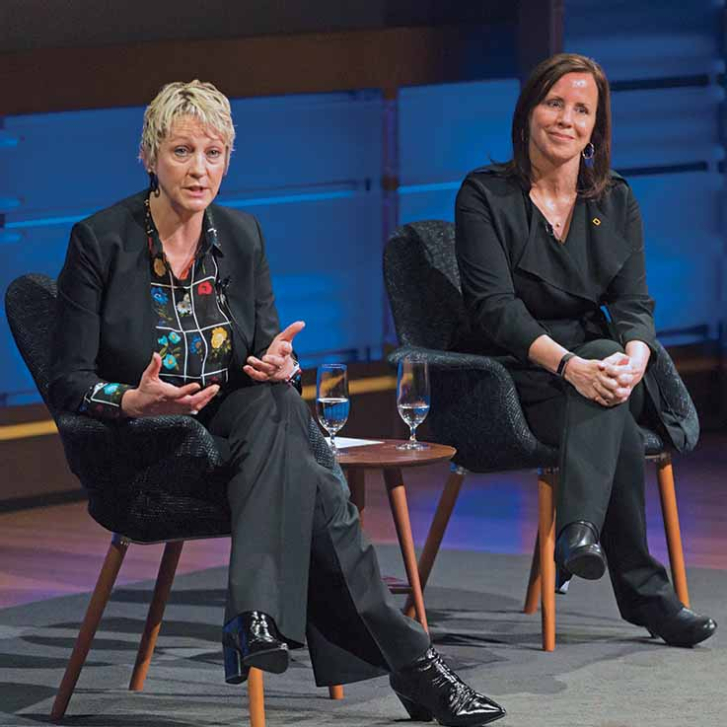
The National Geographic Society began as a Victorian-era institution of white gentlemen explorers dedicated to understanding the globe. To better reflect the world and thrive in the 21st century, it has diversified its leadership, transformed its internal culture, and created a media juggernaut.

Endowments are often lacking for social change nonprofits—even more so for Black-led organizations. By closing this gap, we could radically transform how we confront society’s most pressing issues.
Open-access to this article made possible by The Bridgespan Group.
Social enterprises do more for communities by eschewing the Silicon Valley model.

Employees who volunteer for social impact work may see careers harmed by sexist biases.

Targeted scholarships may draw underrepresented groups away from more lucrative funding.