


Connecting Individual and Societal Change
Supporting the inner well-being of change makers can boost capacity for innovation and collaboration, and ultimately lead to more effective solutions to social and environmental challenges.

Supporting the inner well-being of change makers can boost capacity for innovation and collaboration, and ultimately lead to more effective solutions to social and environmental challenges.
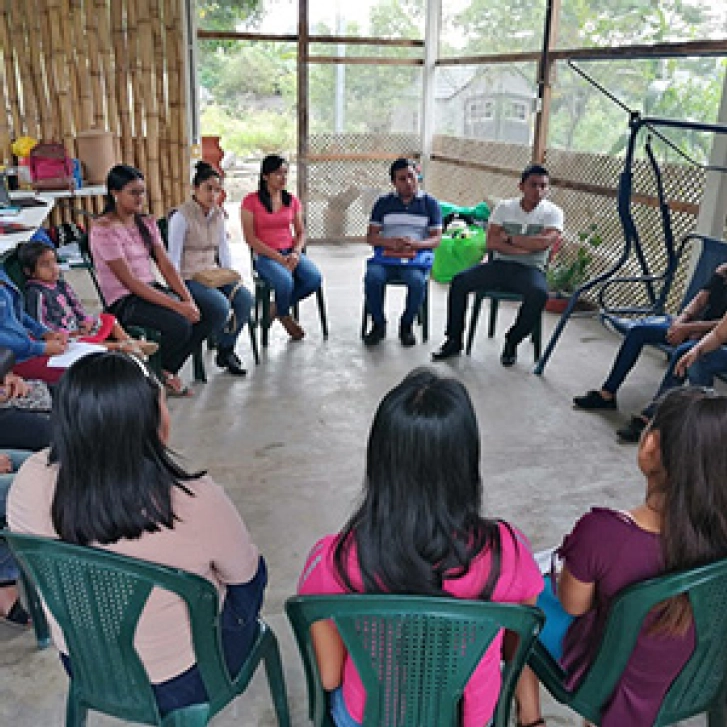
Leaders fighting for gender equality can accelerate progress by looking for support in unexpected places, boosting successful efforts already underway, and using new data to augment their advocacy.

To mark the March 8 celebration of women's achievements, SSIR has put together a reading list of 10 articles on the strategies and tactics behind advancing gender equality.

Businesses can help advance gender equality by shifting individual behavior, committing to inclusive organizations, and using their external influence to shape new social norms.

How the Abdul Latif Jameel Poverty Action Lab (J-PAL) and the Evidence to Policy (E2P) community are integrating innovation and evidence into social policy and practice at scale.
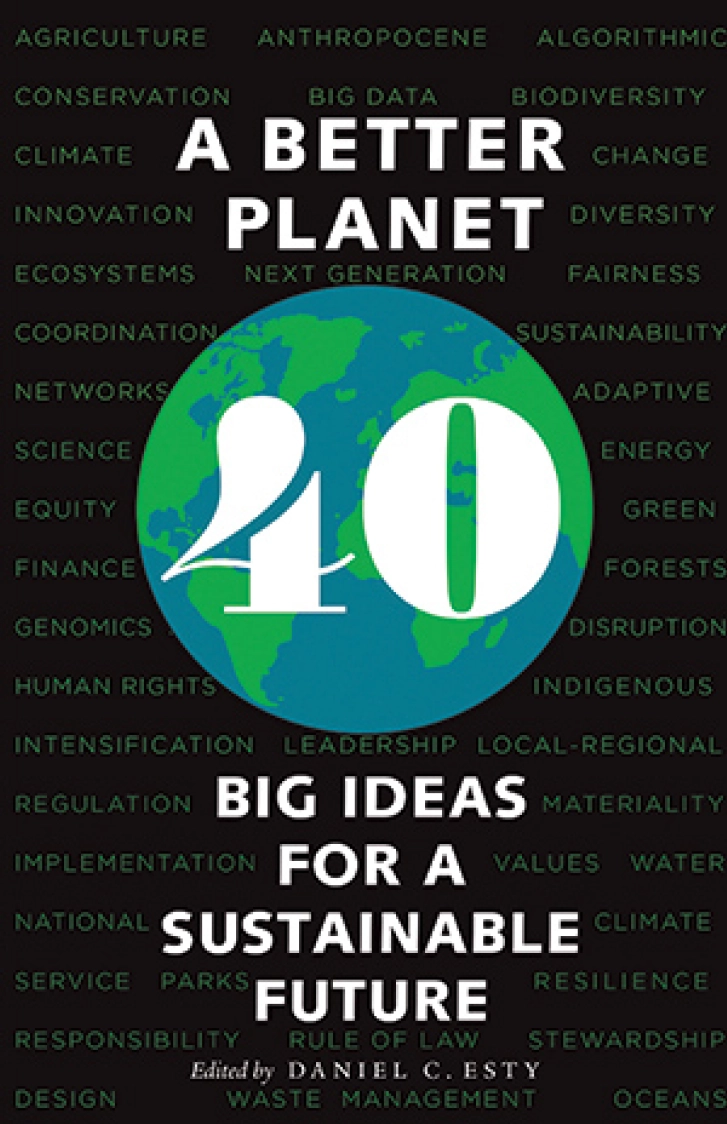
An excerpt from A Better Planet describes how to harness American agriculture for a sustainable future.

Philanthropic investment in the public system through the social sector can enable statewide systems change. Here is the story of how one initiative transformed access to public higher education for incarcerated and formerly incarcerated Californians. Read other feature stories or Editor-in-Chief Eric Nee's note from the Spring 2020 issue.
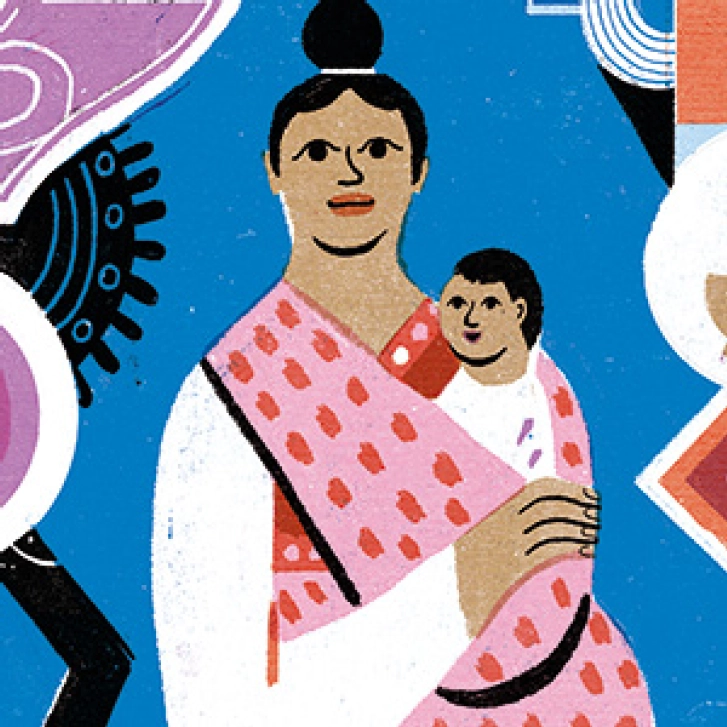
Achieving the Sustainable Development Goals will require new funding mechanisms beyond overseas assistance. Though not without challenges, development impact bonds, including those launched to reduce maternal and child mortality, offer an encouraging option. A feature story from the Spring 2020 issue.
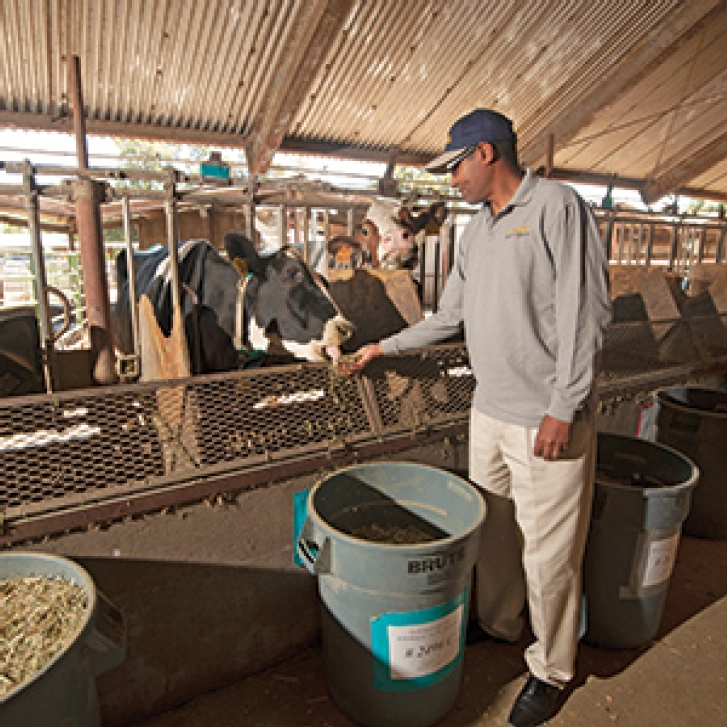
Research has found that the simple act of adding an unassuming seaweed called Asparagopsis taxiformis to cattle feed can lower the amount of methane that cows produce by a stunning 60 percent. A What's Next article from the Spring 2020 issue.
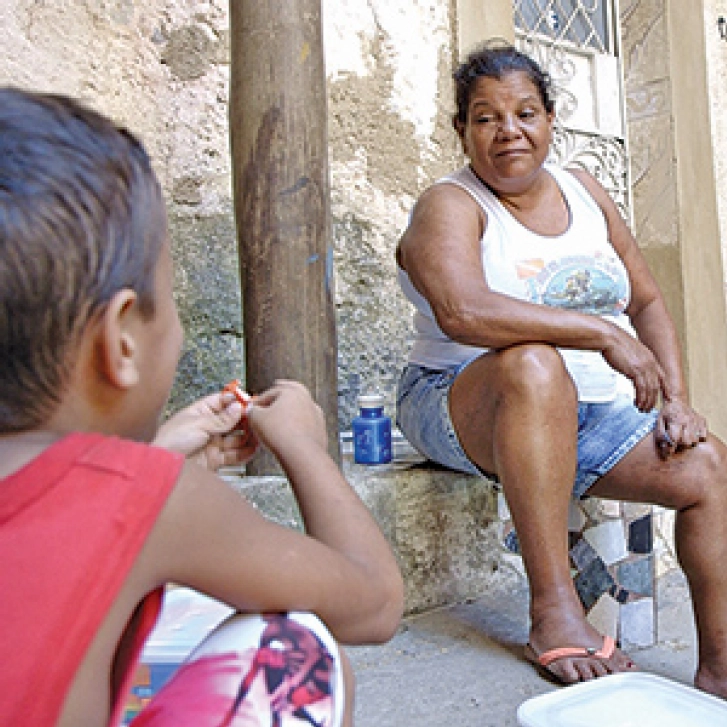
Mopi, a social venture that aims to professionalize and build a network of home-based day cares in Brazil, is helping to fill an important gap in early childhood care and education in Brazil. A What's Next article from the Spring 2020 issue.