


Leaving Money on the Table
An excerpt from There’s Nothing Micro about a Billion Women on how financial service providers can reduce inequality and build a more inclusive world by better serving women customers.
Social innovations that improve the living standards of the poor (more)
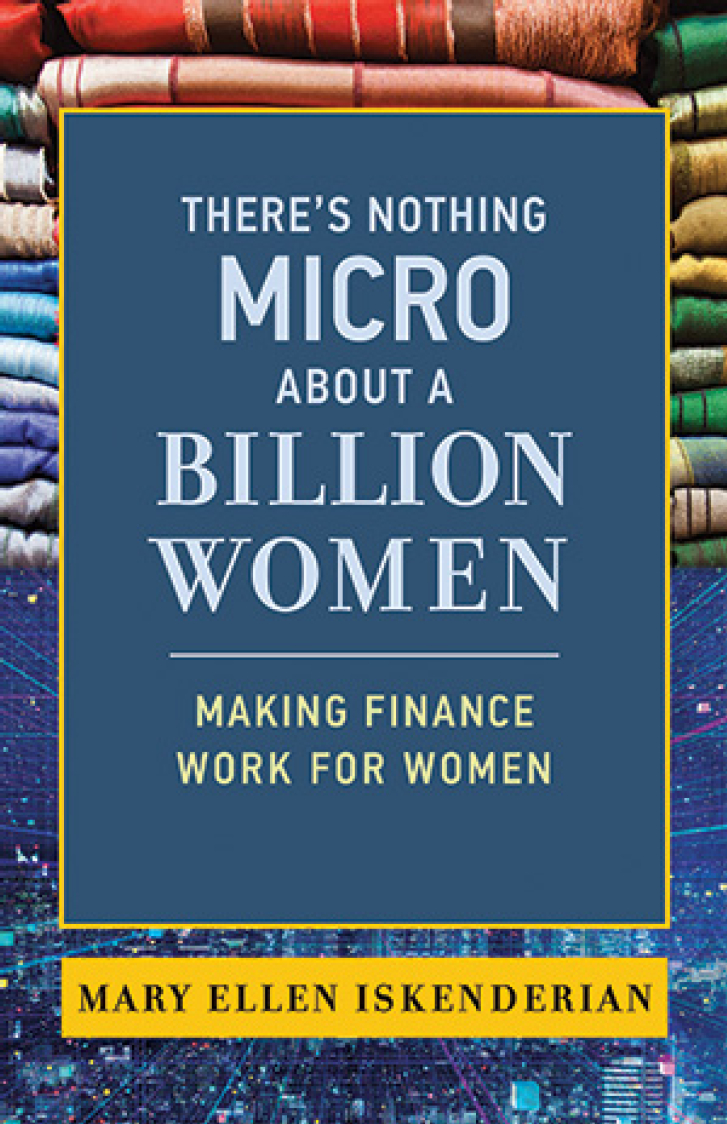
An excerpt from There’s Nothing Micro about a Billion Women on how financial service providers can reduce inequality and build a more inclusive world by better serving women customers.

Food consumption is deeply shaped by the cultural and socio-economic conditions in which it is embedded. How can civil society put food system transformation on the agenda in developing countries that only recently eliminated or are still fighting widespread hunger?

Bringing high-tech operations into the geographical heart of excluded communities jump-starts mass participation, galvanizing economic advancement for their members while challenging accepted norms of diversity, equity, and inclusion.

People from disadvantaged communities have largely been cut off from the tech cornucopia. It doesn’t have to be this way.

After two years of COVID unraveled decades of women’s progress, women’s funds have been taking the lead on women’s employment and financial mobility by focusing on innovative childcare solutions.
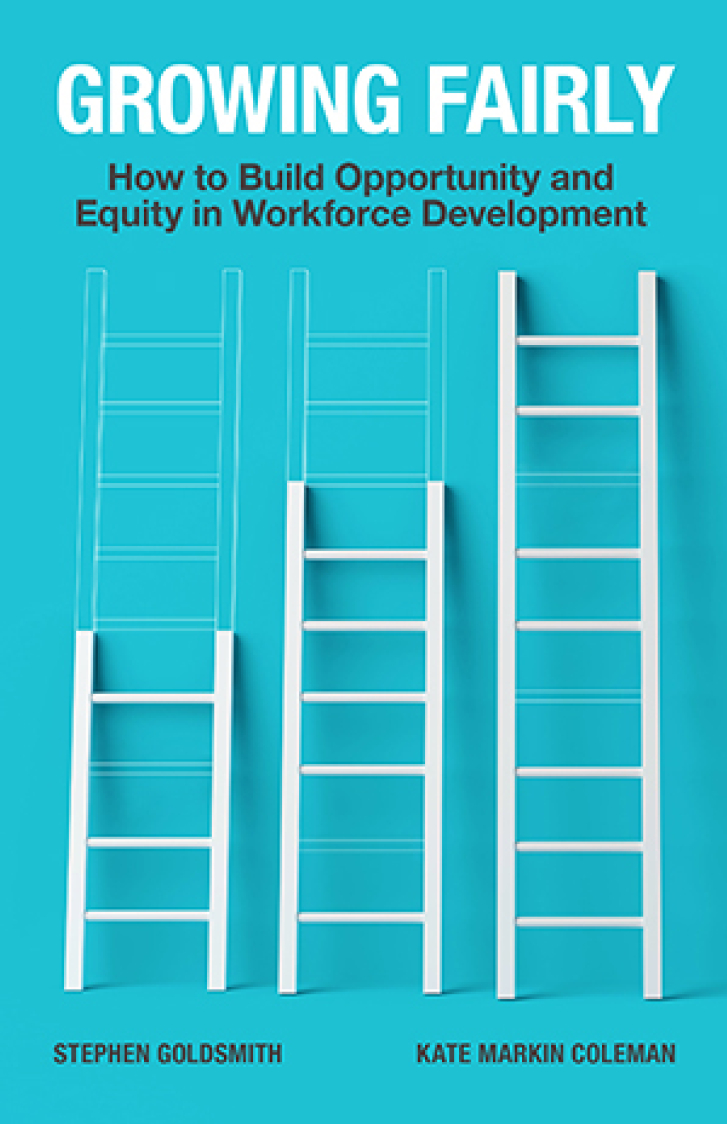
An excerpt from Growing Fairly on building a more equitable system of workforce development.

To cure the social sector’s metric monomania, we must get comfortable with complexity.

Larry Kramer of the William and Flora Hewlett Foundation and La June Montgomery Tabron of the W.K. Kellogg Foundation discuss the origins of wealth inequality and its impact on American democracy. They also share how their institutions are creating new pathways for all communities to access secure and vibrant futures. Produced in partnership with The Pew Charitable Trusts.

Every.org is turbocharging a new wave of philanthropy by eliminating costly technological barriers for nonprofits.