


Waterborne Democracy for Rural India
For more than four decades, Gram Vikas has been delivering equitable water and sanitation systems to deprived villages in rural India by training and encouraging them to take ownership of their solutions.
Social innovations that improve the living standards of the poor (more)
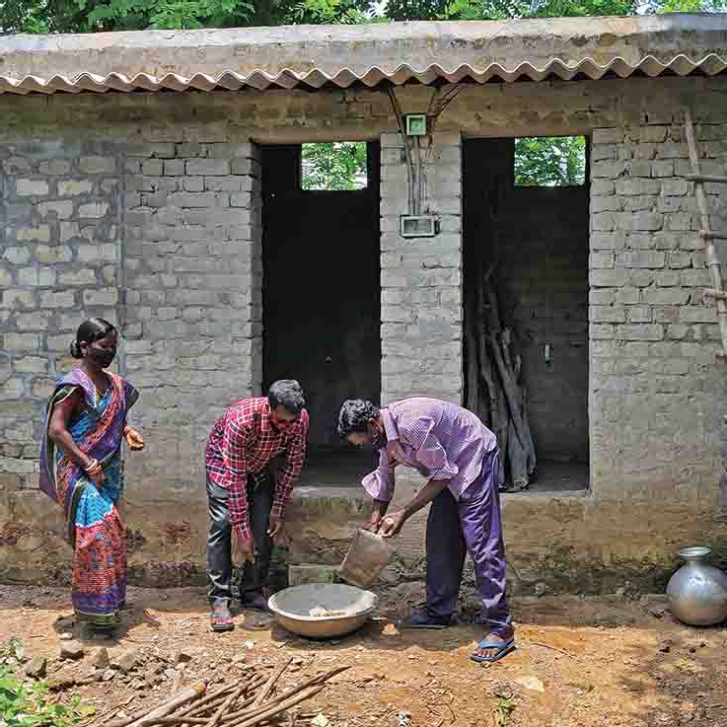
For more than four decades, Gram Vikas has been delivering equitable water and sanitation systems to deprived villages in rural India by training and encouraging them to take ownership of their solutions.

A collection of standout pieces published online about blockchain for good, collective impact, overcoming racial equity fatigue, and carbon offsets.

Leaders of the Aspen Institute Forum for Community Solutions’ Opportunity Youth Forum share lessons from a decade of work achieving better outcomes for young people.
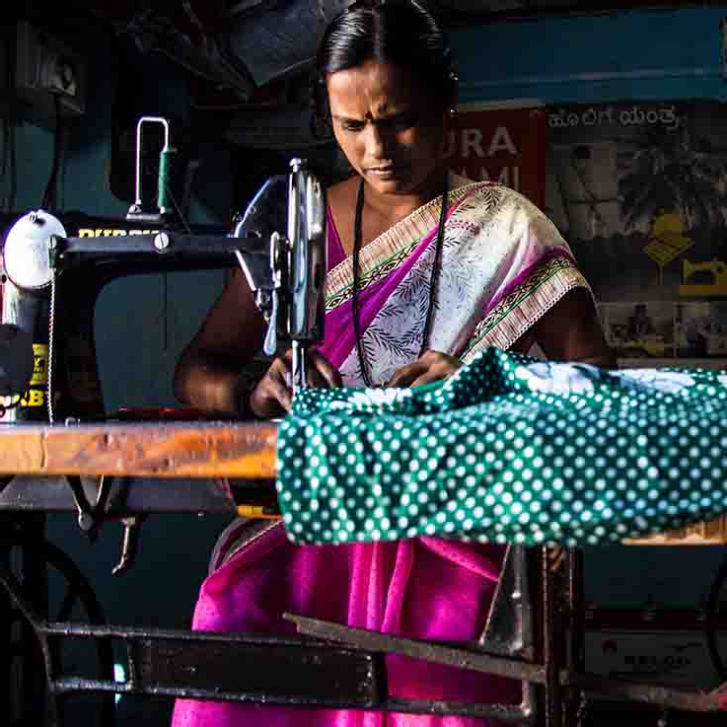
SELCO caters to India’s hundreds of millions of rural poor with solar-powered energy solutions carefully customized to their needs. Now the social enterprise is sharing its model with others around the world.
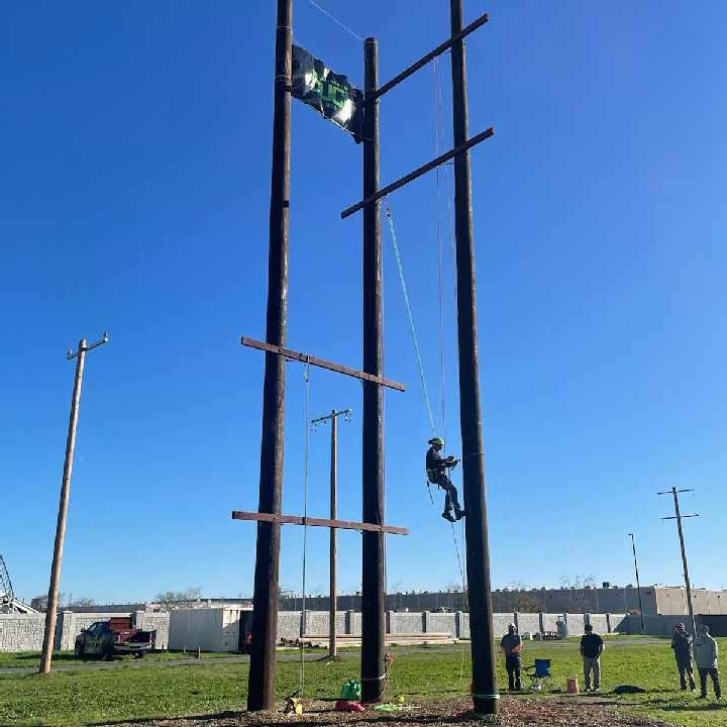
Three areas where philanthropic funders can partner with government on infrastructure investments to advance equity in the United States.

Years of implementing, studying, and iterating on cash transfer programs have revealed some important lessons about achieving long-term impact.

A look at how the Tamarack Institute united the efforts of local collective impact initiatives across Canada to accelerate systems change in support of a living wage.

Transitioning businesses to employee ownership has the potential to significantly reduce the overall wealth gap as well as the racial equity gap. But it will take capital investment to scale.

A look at how the collective impact initiative StriveTogether is enlisting data to resolve systemic barriers that limit opportunity for children and families of color in the United States.
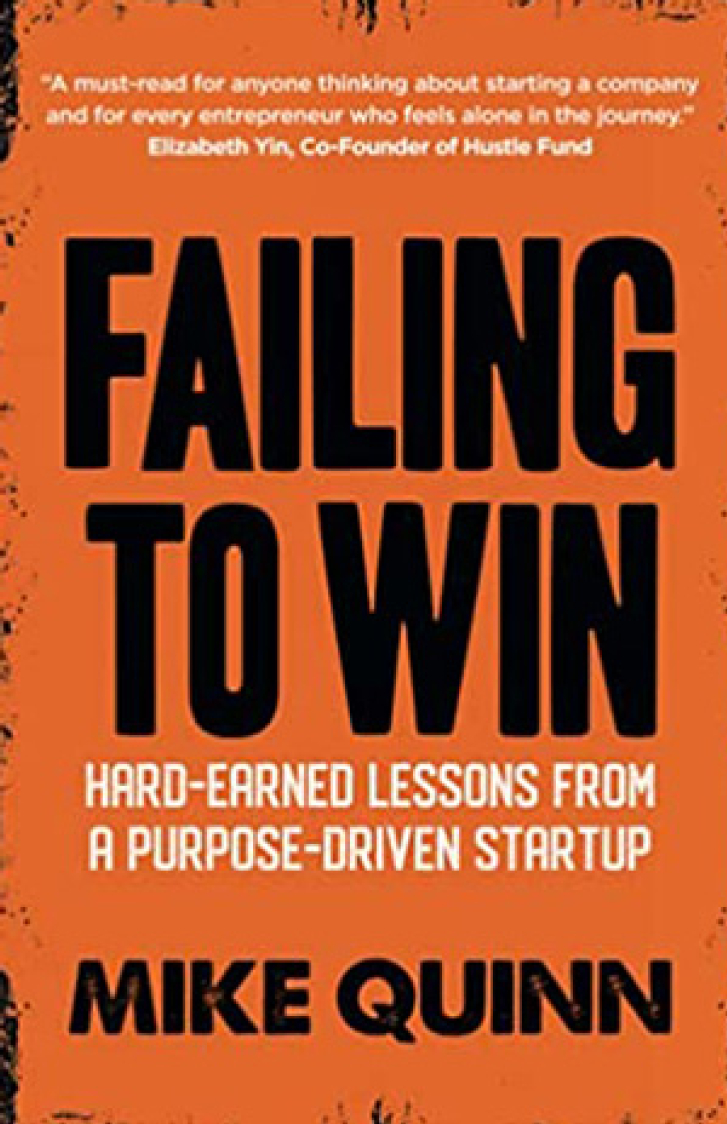
An excerpt from Failing To Win: Hard-Earned Lessons from a Purpose-Driven Startup on critical mistakes and what could have been.