


Building Blended Finance in India
While blended finance has the potential to accelerate development in India, there are bottlenecks holding back its potential.
Social innovations that improve the living standards of the poor (more)

While blended finance has the potential to accelerate development in India, there are bottlenecks holding back its potential.

Four ways blockchain technology is beginning to help people in countries such as Kenya and Argentina build more resilient and prosperous lives through greater access to financial services.
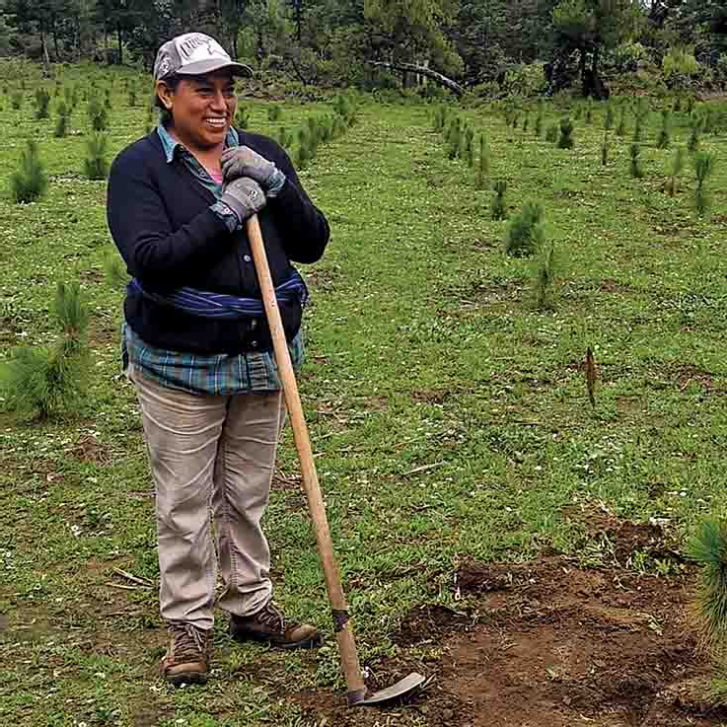
Sustainable pine resin producer Ejido Verde uses an adaptive reforestation model to replenish supply and meet demand.

Education stops intergenerational transmission of disadvantages, Danish administrative data shows.
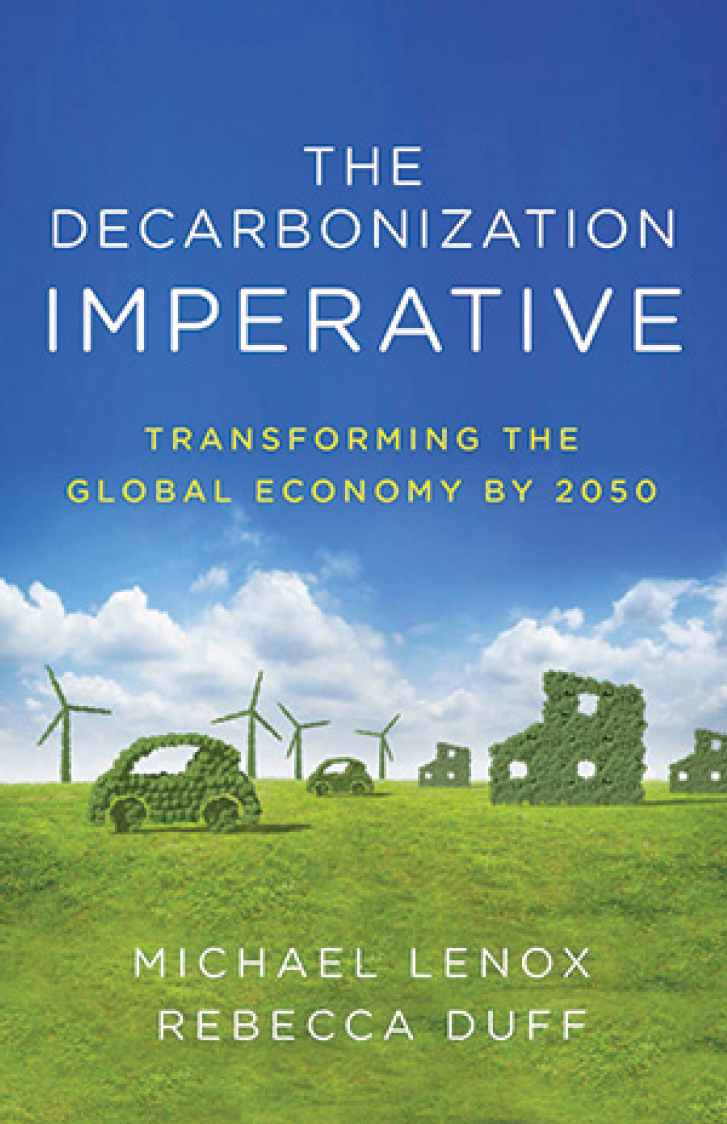
Authors Michael Lenox and Rebecca Duff call for disruptive innovations and radical reconfiguration of industries to decarbonize the planet by 2050.

A collection of standout pieces published online about impact accounting, intersectional storytelling, NGO endgames, universal basic income in South Korea, and a social enterprise supporting coffee growers in Central America.
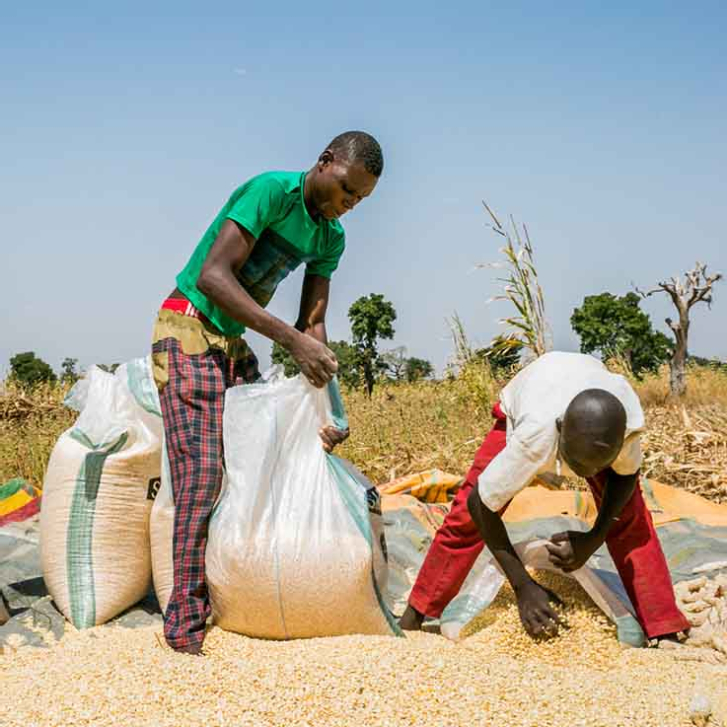
Babban Gona provides the capital and means to move Nigeria’s poor farmers from a life of subsistence to economic security—and a model for alleviating poverty across Africa.
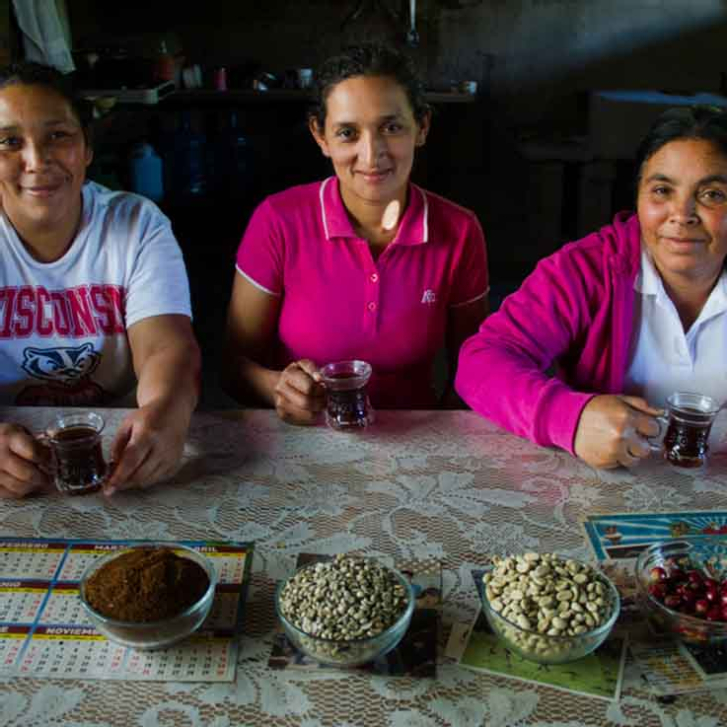
Vega Coffee lifts up struggling coffee growers in Latin America by enabling them to roast, package, and ship their own beans directly to US customers—and reinvents the supply chain in the process.

Economists have obsessed over the question of negative externalities, but market arrangements can also generate positive externalities. We should consider how to harness them for public good. | Open access to this article made possible by Harvard Business School Division of Research and Faculty Development

Systems change efforts that focus on boosting social capital and collective efficacy through building relationships within communities show promise. But do we have the patience to wait for them to work?