


Funding the Fourth Estate
Philanthropists have been accused of donating disproportionately to major media outlets. An alliance of small news nonprofits seeks to make funding more equitable to save the news industry.
Innovative ideas to help leaders of nonprofits and nongovernmental organizations work more effectively (more)

Philanthropists have been accused of donating disproportionately to major media outlets. An alliance of small news nonprofits seeks to make funding more equitable to save the news industry.

Although often triggered by organizational stress, asset transfers should be seen not as a sign of organizational failure but as a valuable way to help both sides of the transfer achieve their goals. | Open access to this article made possible by The Sustained Collaboration Network
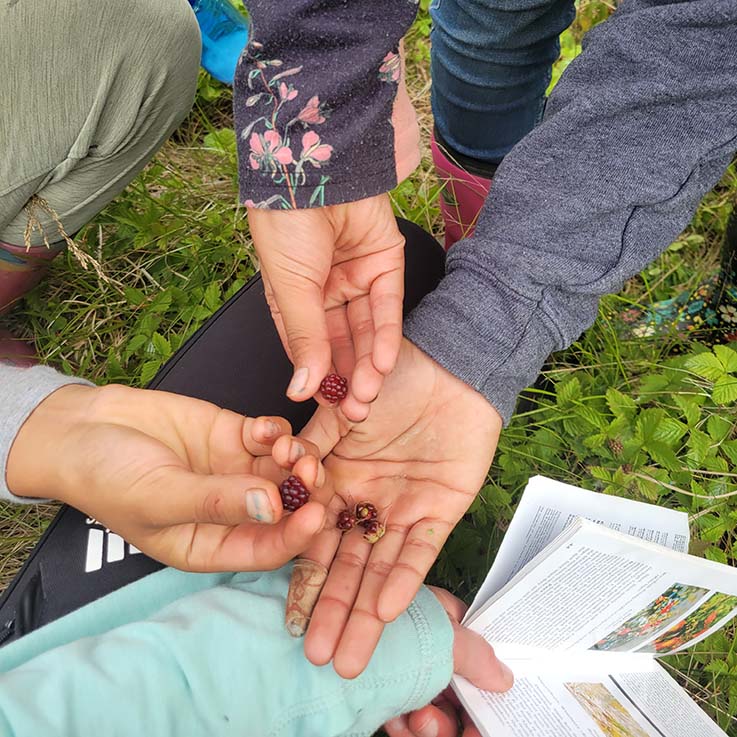
A model for lasting change through authentic, transformational partnership.
How does a poverty-fighting organization like Henry Street Settlement in New York City use arts education to strengthen the community and “serve the whole person” as its president and CEO puts it? How can donors best support these programs? David Garza of Henry Street Settlement, Kevin Greaney of PhilARThropy, and Eric Joranson of DAFGiving360 join SSIR editor Barbara Wheeler-Bride to discuss the importance of arts education and how donors can sustain these programs over time. A sponsored podcast developed with the support of DAFgiving360
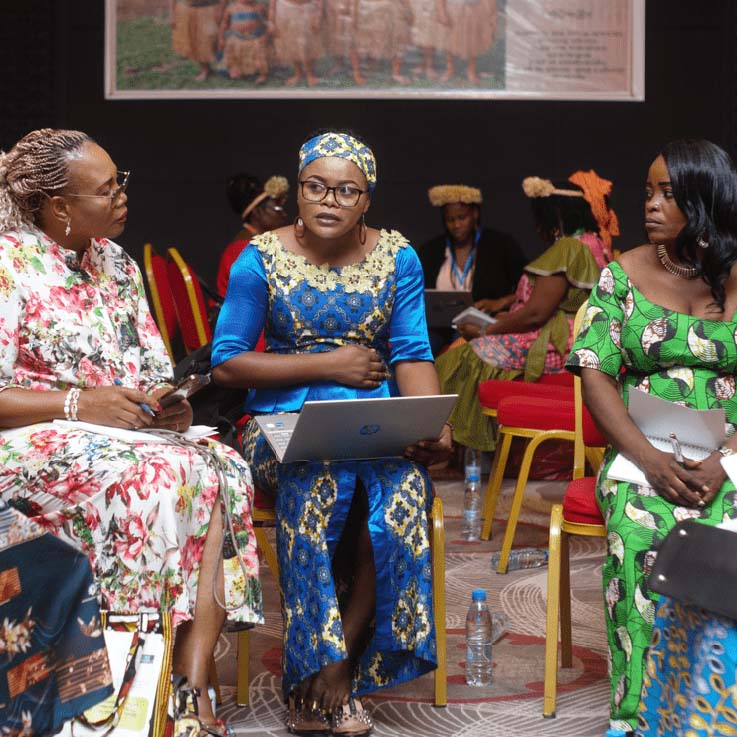
Indigenous and local community-centered solutions to deforestation are among the most effective and enduring strategies for mitigating climate change. Social innovators in these communities pioneered a new playbook for getting the world to take notice.

This follow-up to “Social Innovation and the Journey to Transformation,” sponsored by the Skoll Foundation, explores how bold social innovators shift systems through collective action. The series offers adaptable playbooks for social innovators, partners, and funders to learn from and apply to their work.
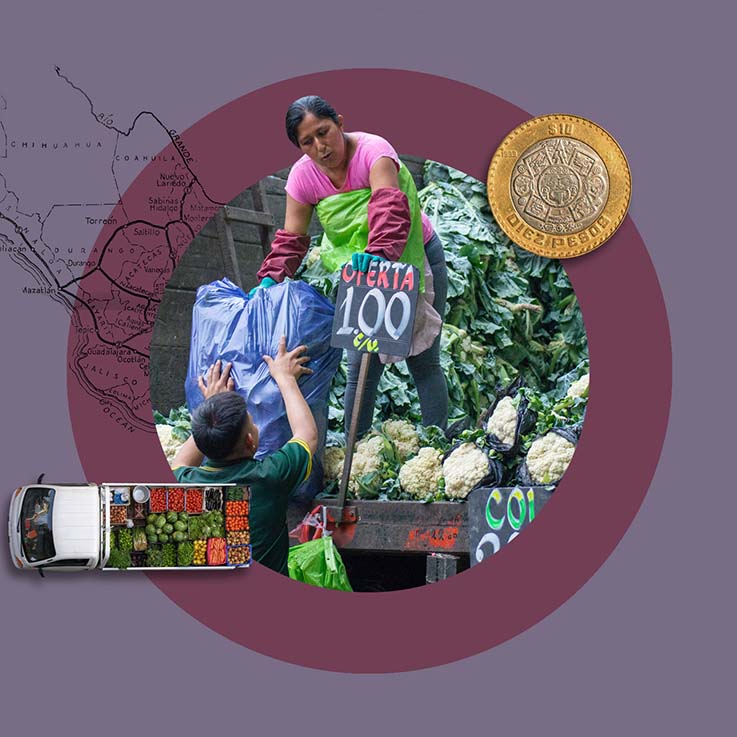
How philanthropy can help build a more resilient and equitable food system through agroecology
How do nonprofits and their donors define and measure impact? Kimberly Pfeifer of Oxfam America, Stephanie Gillis of Raikes Foundation, and Fred Kaynor of DAFgiving360 join SSIR editor Barbara Wheeler-Bride to share their perspectives on social impact and tracking philanthropic success. A sponsored podcast developed with the support of DAFgiving360

Own your work and your success. Speak plainly about the stakes. Bring people in.

Mission-driven organizations should look beyond the tech sector and build AI partnerships with academia, CBOs, artists, and foundations.