


Building Nonprofit Capacity, Hand in Hand
How strategic capacity building and trust-based philanthropy can work in concert.
Innovative approaches to internally driven, organization-wide efforts to achieve strategic goals (more)

How strategic capacity building and trust-based philanthropy can work in concert.
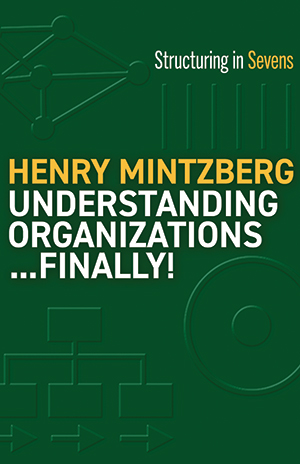
Organization theorist Henry Mintzberg offers a mixed bag of old and new ideas on organizational structures in his latest book.


It’s important to understand how the world is shifting and how philanthropy is adapting in response. But what does that mean for your own work?


Radically rethinking how we organize and govern for social impact.

Let’s move beyond our own self-interest and restructure our ecosystem for the challenges yet to come.

Why social change organizations must ensure that their systems, policies, cultures, and behaviors align with a broader concept of leadership that centers equity and justice and encompasses leadership in all its forms.
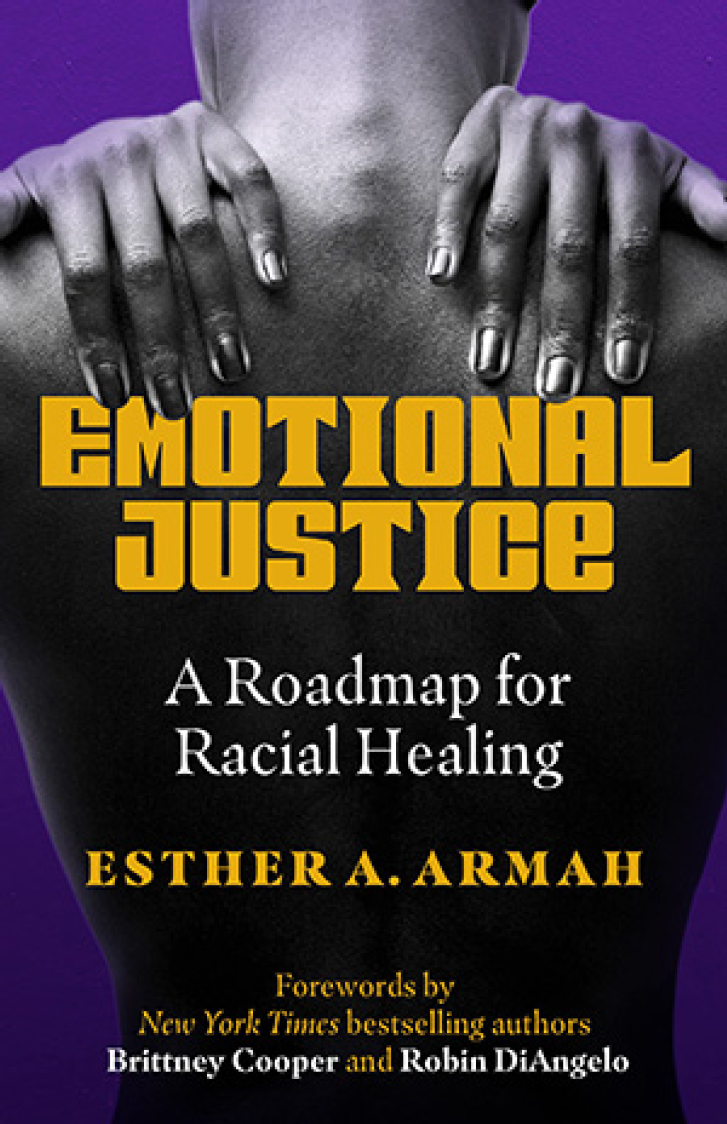
An excerpt from Emotional Justice on redefining Black women’s relationship to labor

Racial equity can’t be thought of solely as a funding priority; it must be a critical component of philanthropy’s own way of being.