


How NGOs Can Act as Learning Labs for Government
As global aid declines, new learning partnership models between NGOs and government will play a critical role in scaling and sustaining health reform in low- and middle-income countries.
New and innovative ideas to help nonprofit leaders raise money, and to help funders and donors give more effectively (more)
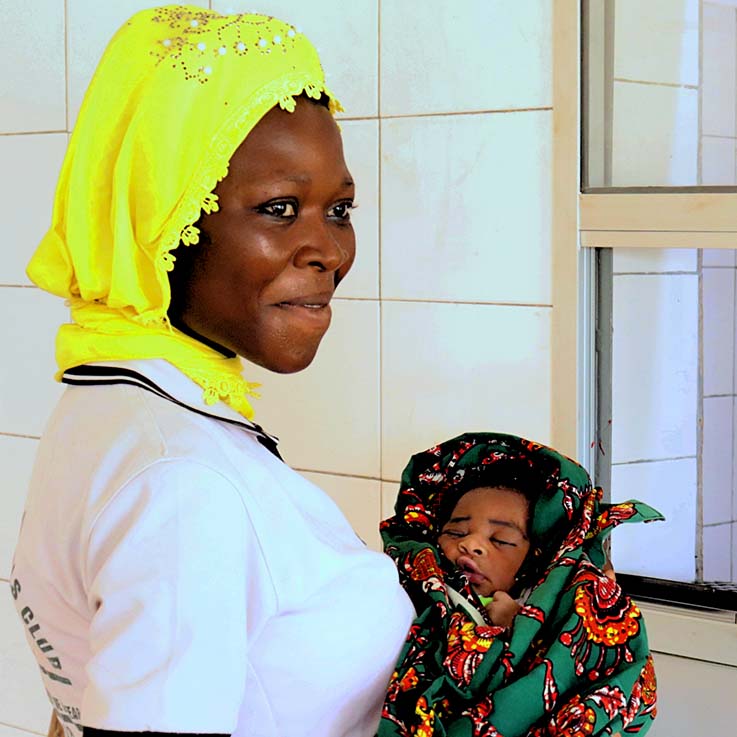
As global aid declines, new learning partnership models between NGOs and government will play a critical role in scaling and sustaining health reform in low- and middle-income countries.
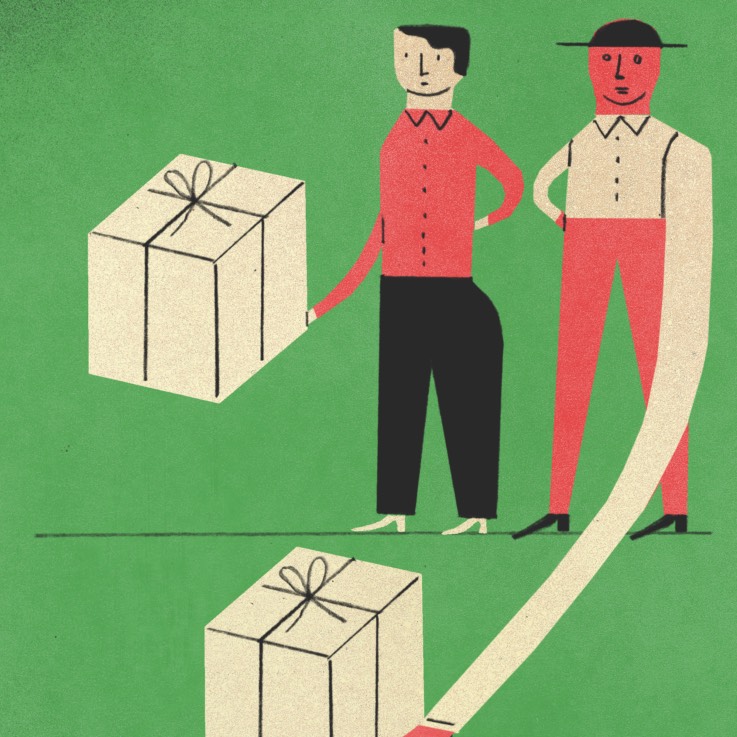
The tax code should not dissuade donors from maximizing their impact by supporting 501(c)(4)s.
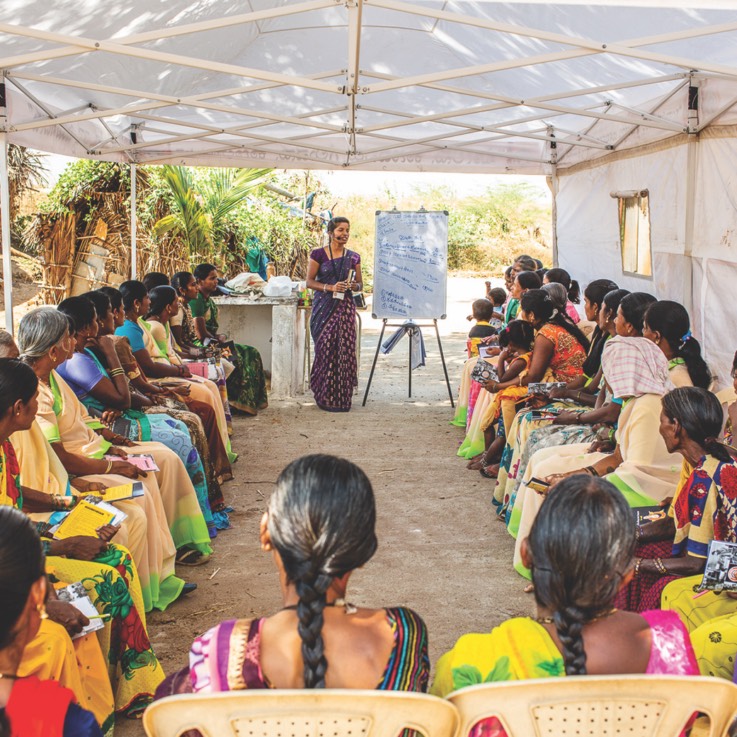
Can you ask economically vulnerable women to donate for the empowerment of others? Buzz Women’s giving circle in India is doing just that.

Companies in Taiwan with ties to the ruling party invested in public welfare to reduce the potential for popular backlash during the nation’s democratic transition.
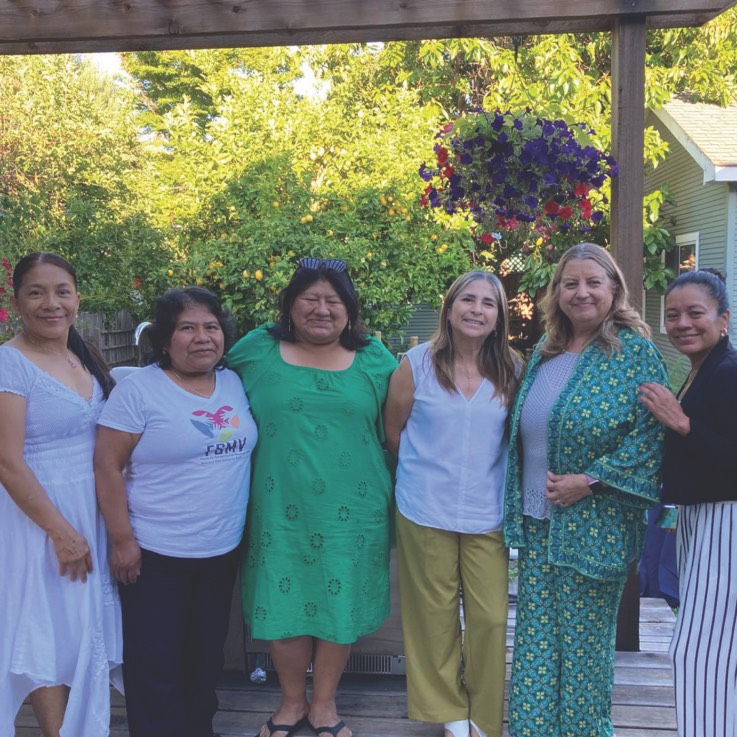
A grassroots effort in Silicon Valley addresses the needs of the working-class immigrant community.

Food pantries across the United States are experiencing rising demand and shrinking resources. Guests in this episode discuss these challenges, US public policy to alleviate hunger, and how donors can support food pantries and anti-hunger organizations in a time of increased need and economic uncertainties. A sponsored podcast developed with the support of DAFgiving360
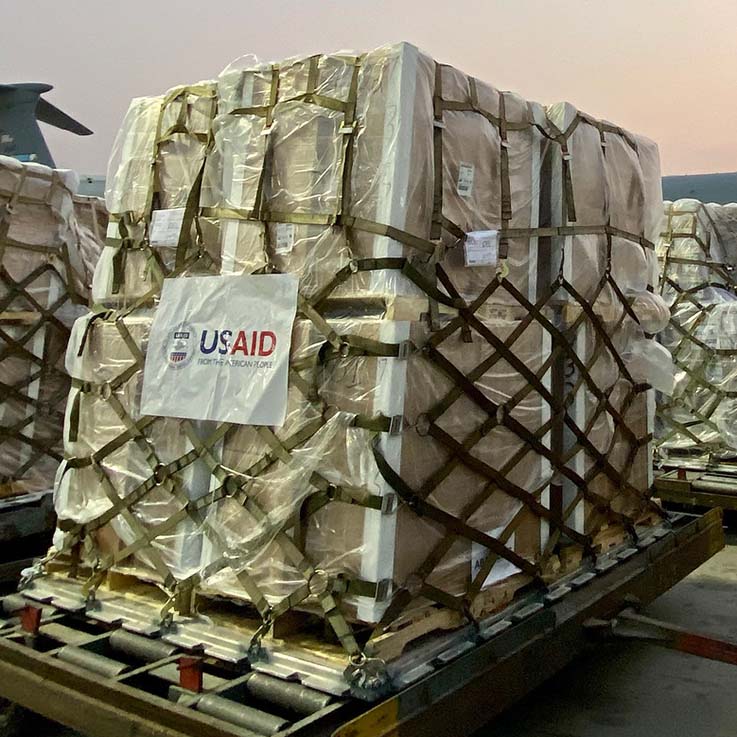
Just a few years ago, philanthropy showed what it could be at its best: nimble, coordinated, unusually brave. This time, facing the sudden slashing of foreign aid, the cavalry is quieter.
The decline and fall of ESG offers a cautionary tale for social impact financing and highlights the need for the sector to sharpen its understanding of catalytic capital. A new definitional framework for catalytic capital can help drive clarity, measurement, and greater market participation.
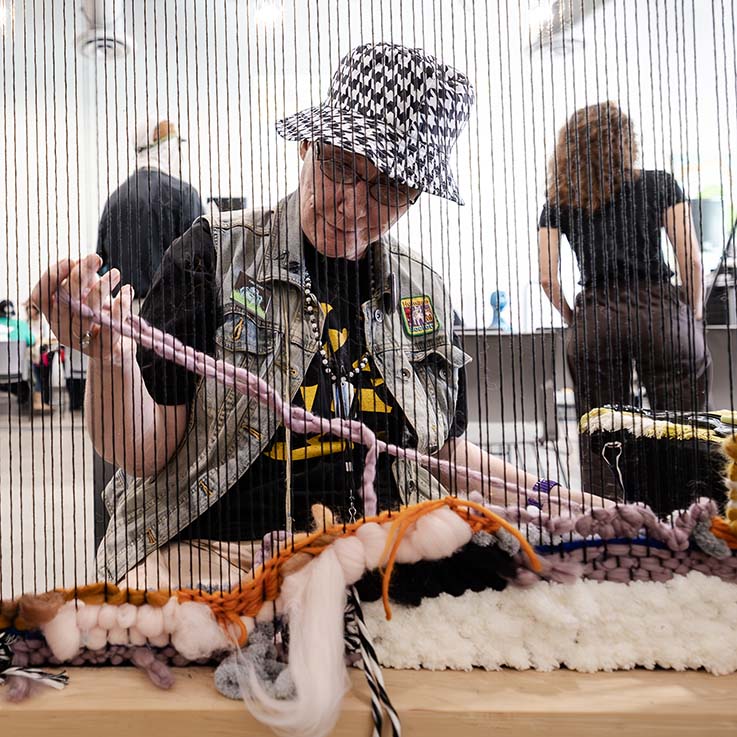
How artmaking and creative practice in the United States can address community challenges, strengthen local economies, and rebuild human connections—and three less-well-traveled ways to support it.