


Building the Field of Sustainable Development
To grow the workforce that will advance the United Nations’ Sustainable Development Goals, foundations ought to bring back approaches they relied on decades ago. A Viewpoint from the Winter 2020 issue.
To grow the workforce that will advance the United Nations’ Sustainable Development Goals, foundations ought to bring back approaches they relied on decades ago. A Viewpoint from the Winter 2020 issue.
Recent research documents only a weak electoral connection between state legislators and their voters. It's time to break the cycle and restore political power to ordinary citizens over entrenched minorities. Part of the Winter 2020 issue's Realizing Democracy supplement funded by the Ford Foundation.

Community organizations nationwide are pushing prosecutors to embrace a new criminal justice reform agenda and collaborating with attorneys general to protect working people. Part of the Winter 2020 issue's Realizing Democracy supplement funded by the Ford Foundation.
A new research paper reconstructs how an international children’s rights organization worked in Indonesia to disrupt child marriage, a guarded institution in the country. Research from the Winter 2020 issue.
To rebalance our democracy and economy, a real system of economic checks and balances must exist to ensure that working people have power in their workplaces. Part of the Winter 2020 issue's Realizing Democracy supplement funded by the Ford Foundation.

The book presents a thought-provoking framework for categorizing and implementing performance management strategies based on the causal relationship between an organization’s activities and outcomes and on its control over those outcomes. A book review from the Winter 2020 issue.
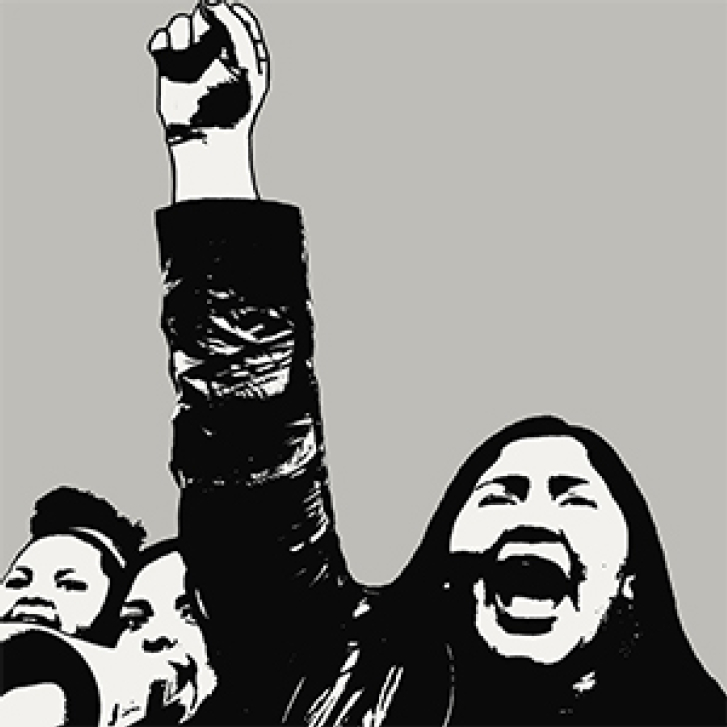
Good strikes force the very consensus building that America needs, and the sooner we reprioritize unions, the sooner we can reclaim democracy. Part of the Winter 2020 issue's Realizing Democracy supplement funded by the Ford Foundation.
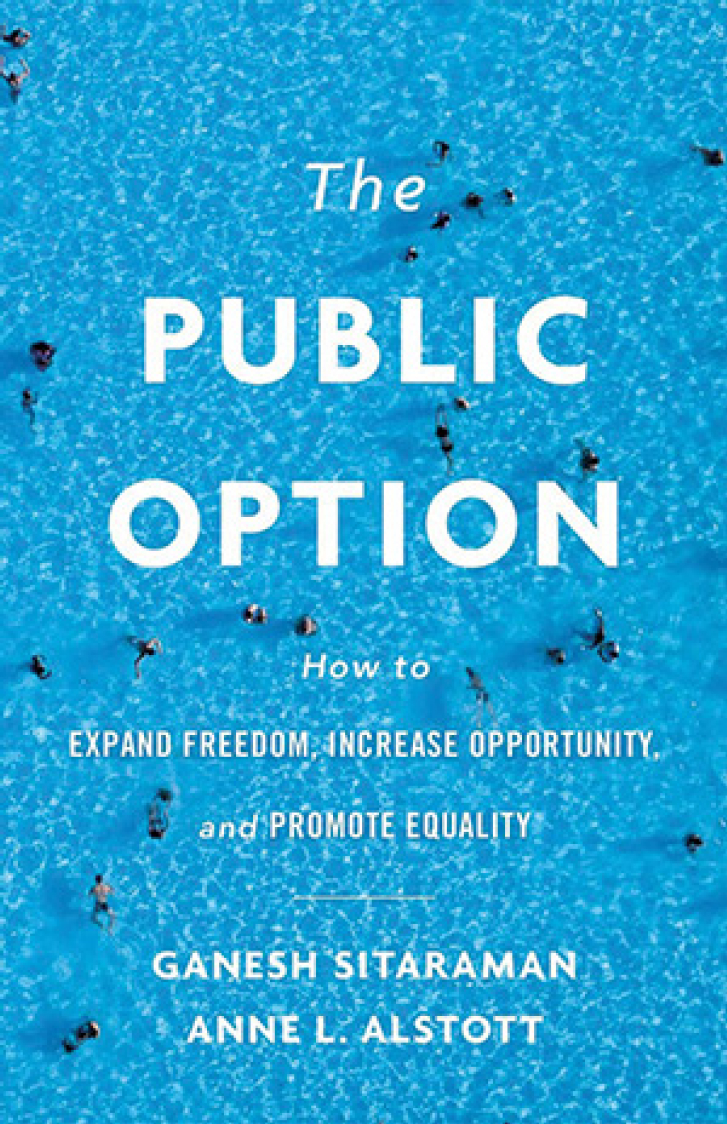
In their new book, Ganesh Sitaraman and Anne Alstott treat libraries as just one model of a public institution that can thrive alongside market-based options like bookstores and provide desirable benefits to society more broadly and equitably than the private sector can do alone. A book review from the Winter 2020 issue.

Rather than a model with a fixed approach, as collective impact is, the community system solutions framework can be adapted to different types of situations. The Editor's Note from the Winter 2020 issue.
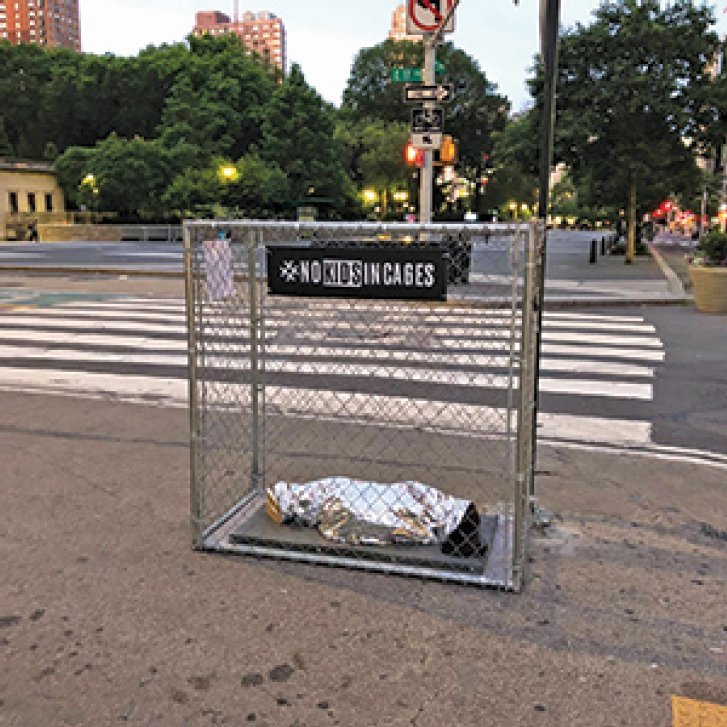
By the end of August, the United States Border Patrol had detained more than 800,000 individuals, including more than 70,000 unaccompanied children.