


Advocacy
From Fixers to Builders
Four narrative shifts proven to get people of all parties to support progressive goals without compromising anyone’s values.

Own your work and your success. Speak plainly about the stakes. Bring people in.
Four narrative shifts proven to get people of all parties to support progressive goals without compromising anyone’s values.
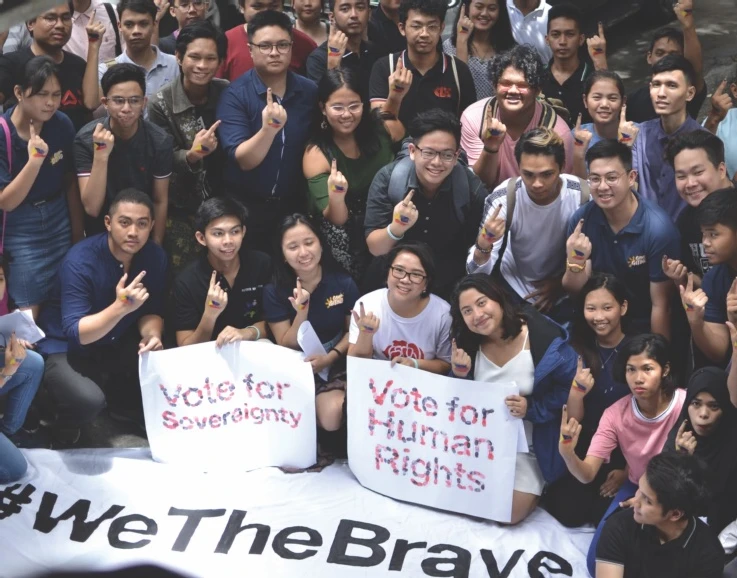
The artist-activist collective DAKILA is organizing young people to push for their own political agenda.

If we are to go beyond performative gestures, we need to first reckon with the true scale of what must be done.

The backlash we are witnessing reflects both a public frustration with how data centers are being built and growing distrust of what the data center build-out is powering. It is a two-tiered problem that must be tackled in tandem.

Ahead of COP31, the test for climate finance is no longer what gets announced; it is whether money reaches the systems that protect people.
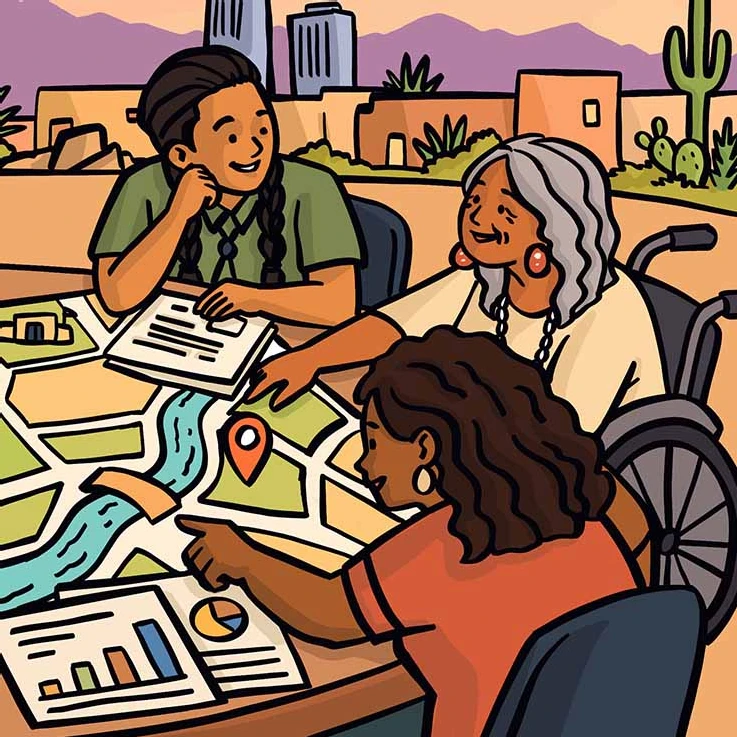
How one urban Indigenous organization is working to transform data governance using a model that’s founded on Indigenous values

The Turning Point USA founder's obituaries invoked his desire to build a conservative MoveOn. What he built instead is revealing about the structure, strategies, and outcomes of political advocacy organizations.


Professionalism has become coded language for white favoritism in workplace practices that more often than not leave behind people of color. This is the fourth of 10 articles in a special series about diversity, equity, and inclusion.

Five principles based in social science that will help organizations connect their work to what people care most about.

Conventional wisdom says that scaling social innovation starts with strengthening internal management capabilities. This study of 12 high-impact nonprofits, however, shows that real social change happens when organizations go outside their own walls and find creative ways to enlist the help of others.

It’s time for activists and organizations to adopt a more strategic approach to public interest communications.

Since 1970, more than 200,000 nonprofits have opened in the U.S., but only 144 have reached $50 million in annual revenue. They got big by doing two things: They raised the bulk of their money from a single type of funder. And just as importantly, these nonprofits created professional organizations that were tailored to the needs of their primary funding sources.