


Measurement & Evaluation
Impact Accounting Has an Equity Problem
Is water in Sweden really 25 times more valuable than water in Mauritania?

Is water in Sweden really 25 times more valuable than water in Mauritania?
How have nonprofits adapted their strategies to help mitigate climate change? How can donors best support climate solutions? Leaders from the One Acre Fund and The Nature Conservancy discuss how climate change is shaping their work and ways philanthropy can step in with catalytic funding. A sponsored podcast developed with the support of DAFgiving360
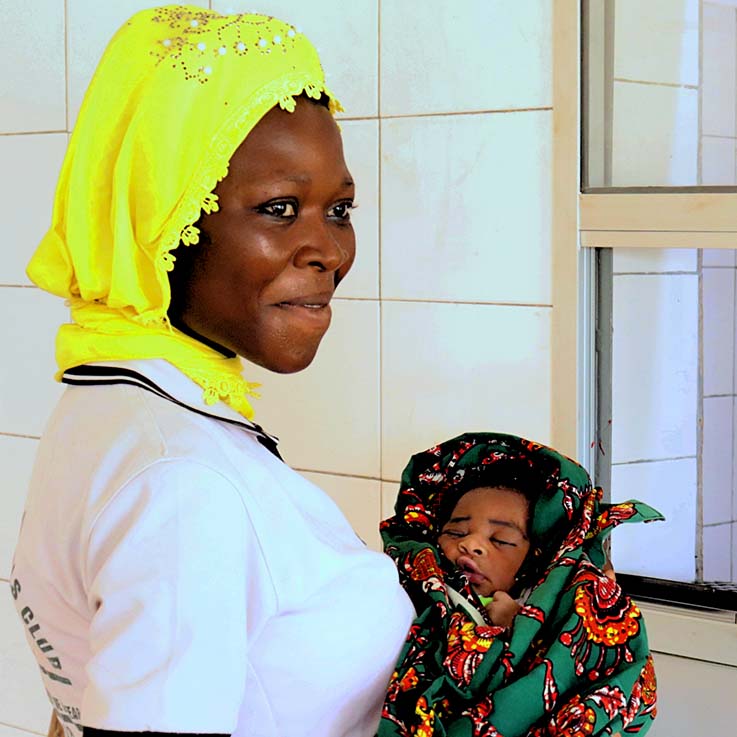
As global aid declines, new learning partnership models between NGOs and government will play a critical role in scaling and sustaining health reform in low- and middle-income countries.


An interview with two collaborative fund leaders about what differentiates Africa’s collaborative funding movement from other regions, and what other funders can learn from their focus on funding organizations close to the communities they are trying to help.
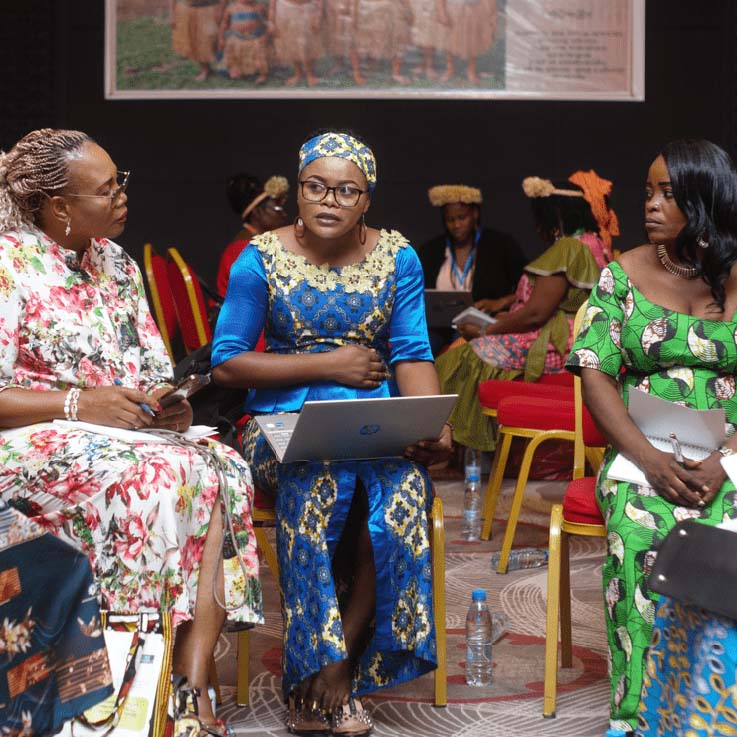
Indigenous and local community-centered solutions to deforestation are among the most effective and enduring strategies for mitigating climate change. Social innovators in these communities pioneered a new playbook for getting the world to take notice.
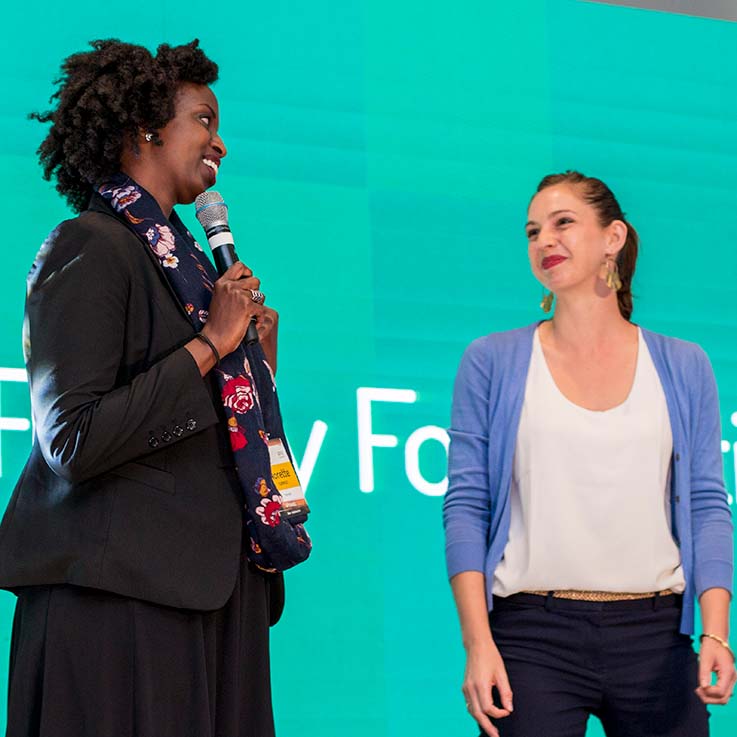

Conventional needs-based development policies can be harmful to informal businesses. Instead, development professionals must embrace an asset-based approach, identifying how existing collective solutions foster business resilience. | Open-access to this article made possible by the Concordia University Research Chair in Resilience and Institutions, John Molson School of Business, Concordia University.

Working with governments to co-create programs and funding strategies can unlock resources far beyond what any single organization can do on its own.

SSIR’s new issue delves into ownership in both the straightforward and metaphorical senses and how the idea grounds a community and provides a source of systemic change.