


Social Services
Fun and Games
Inter-nursing home games in France happen regularly across the country thanks in part to financial support from the National Solidarity Fund for Autonomy, an arm of the country’s social-security system.
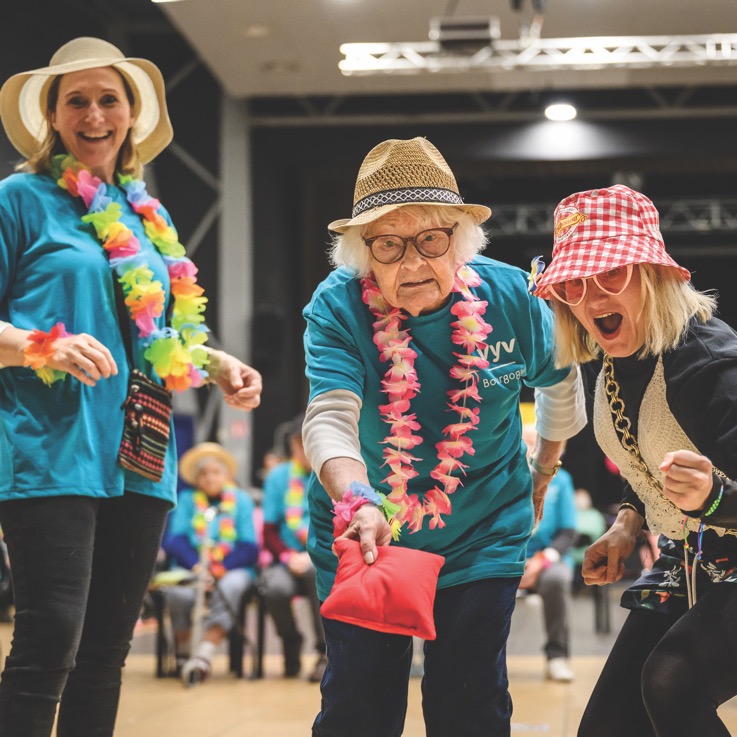
Inter-nursing home games in France happen regularly across the country thanks in part to financial support from the National Solidarity Fund for Autonomy, an arm of the country’s social-security system.

An excerpt from Silent No Longer on how disability services commodify and devalue the humanity of people with disabilities.
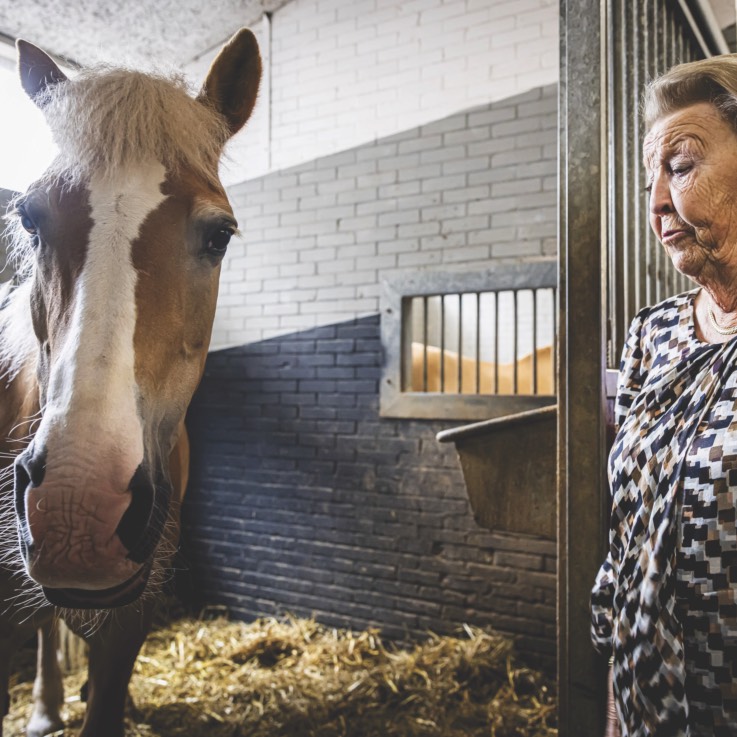
Princess Beatrix of the Netherlands greeted a chestnut mare as part of a visit marking the 60th anniversary of the foundation Riding for the Disabled.
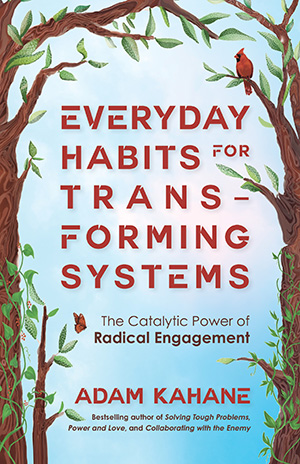
An excerpt from Everyday Habits for Transforming Systems on finding the leverage points for change
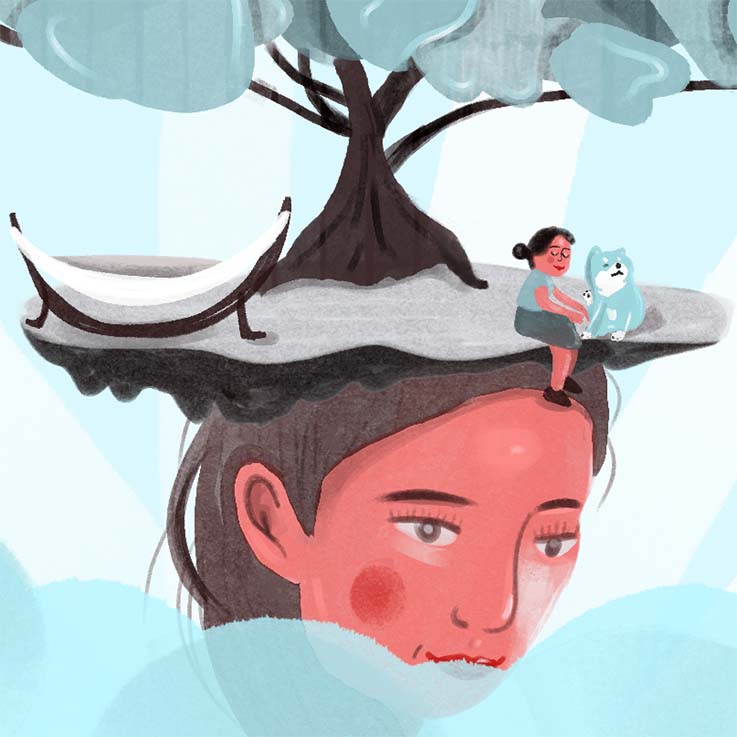
How reimagining the role people with developmental disabilities play in society and the workforce is driving greater equity.

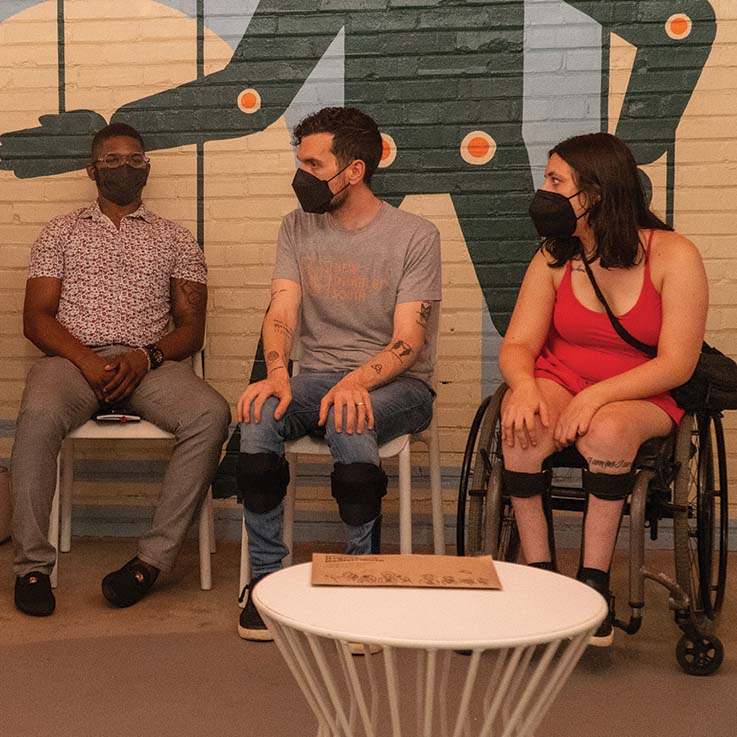
New Disabled South advocates for disability justice and enfranchisement in the US South.
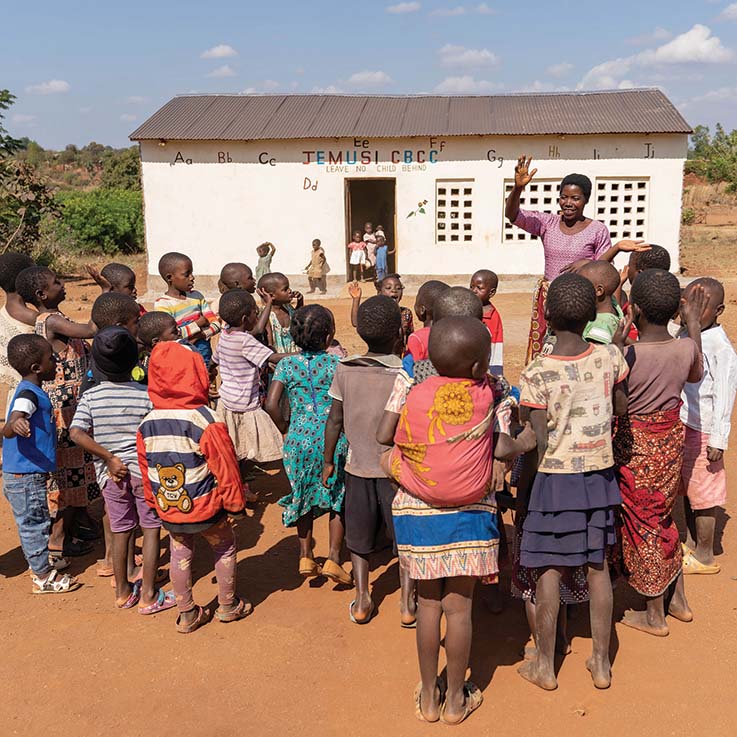
Sightsavers is working to change social attitudes toward disabled children through community-centered education in Malawi.
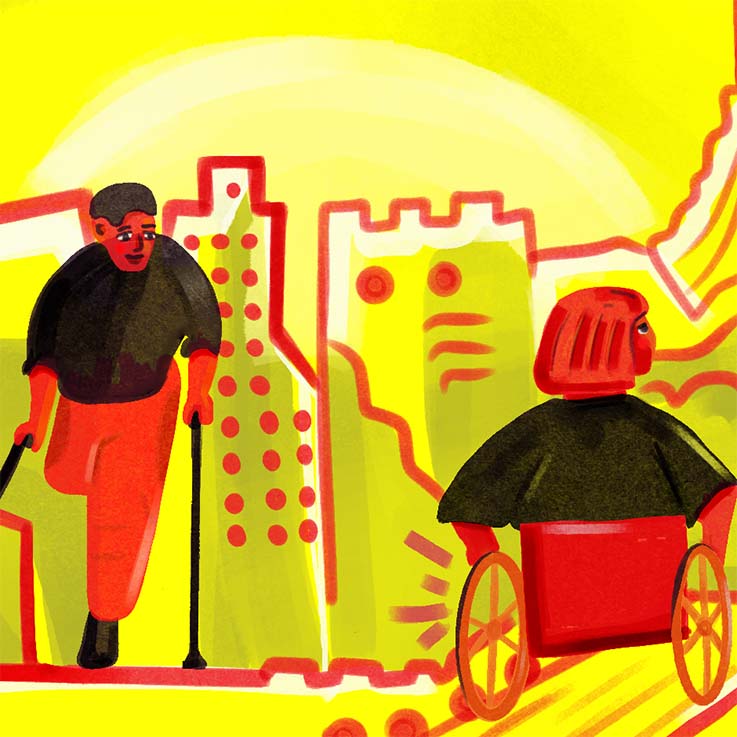
A group of newly launched business and nonprofit coalitions are aiming to advance disability inclusion in a new way.
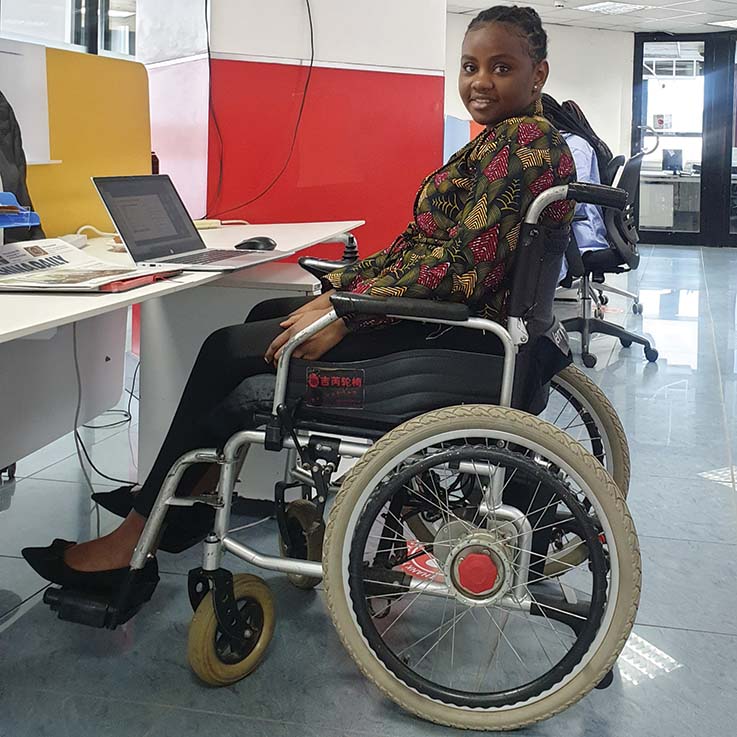
Social enterprise Riziki Source promotes professional development for one of Kenya’s most disadvantaged communities.

An excerpt from Upshift on how people living with disabilities create innovation