


Philanthropy & Funding
After the Pandemic: Addressing the Permanent Crisis With Pay for Success Programs
Governments have an opportunity to partner with impact investors and philanthropists to turn emergency spending into long-term impact.
Understanding why people are poor and innovative ways to alleviate poverty

Governments have an opportunity to partner with impact investors and philanthropists to turn emergency spending into long-term impact.
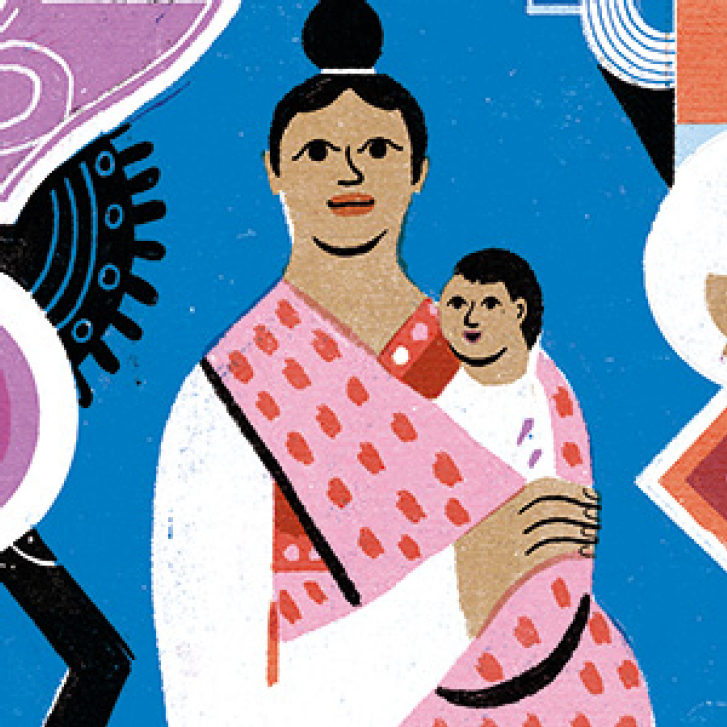
Achieving the Sustainable Development Goals will require new funding mechanisms beyond overseas assistance. Though not without challenges, development impact bonds, including those launched to reduce maternal and child mortality, offer an encouraging option. A feature story from the Spring 2020 issue.

The time has come for an action plan that fundamentally transforms the global humanitarian relief system by shifting power and funding from international to local and national actors. A feature story from the Spring 2020 issue.
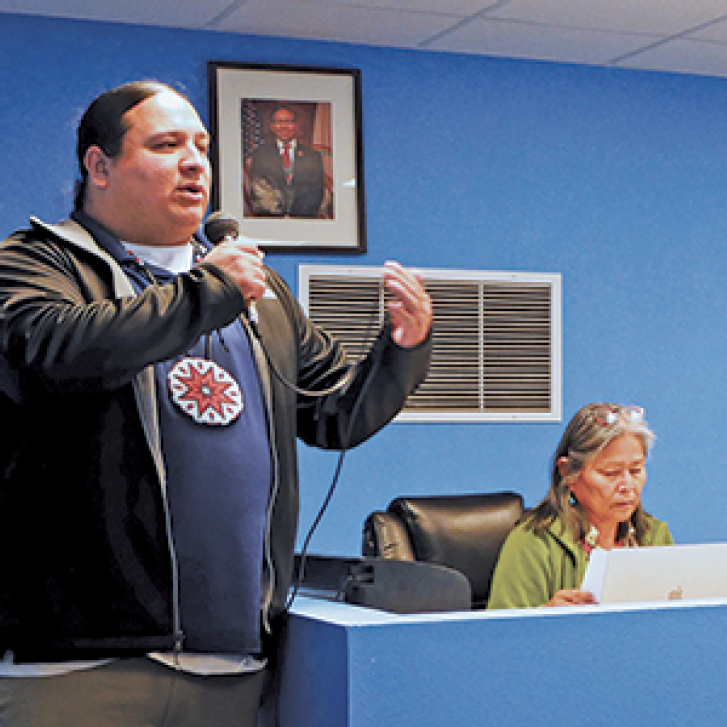
Less than 0.3 percent of philanthropic dollars go to indigenous communities, despite disproportionate poverty and challenges in vital areas such as education and infrastructure. The NDN Collective is shifting that balance. A What's Next article from the Spring 2020 issue.

The biggest obstacle to eradicating India’s sanitation problem is a social tradition based in its caste system. A Field Report from the Spring 2020 issue.

Repurposing unused gift cards for charity could harness untapped billions of dollars for social good and turn consumers into micro-philanthropists. A Viewpoint from the Spring 2020 issue.

Peter Gluckman and Mark Hanson’s Ingenious applies concepts and metaphors from evolutionary biology to explain the impact of technological innovation on human life. A book review from the Spring 2020 issue.
Despite growing pains, the pay for success funding model is finding renewed success in communities across the United States and is primed to evolve into an ever-more-powerful tool for social change.

Foundations, governments, and crowdfunding platforms show how Opportunity Zones can live up to their promise of making investors money while helping struggling communities across the United States.

A 1970s partnership between wealthy white liberals and black activists illustrates the tensions of race and power in philanthropy. A Research article from the Fall 2019 issue.