


Caught in a Fake Debate
Finding solutions for the global poor need not require choosing between theory and decision making. Good evaluations focus on both.

Finding solutions for the global poor need not require choosing between theory and decision making. Good evaluations focus on both.
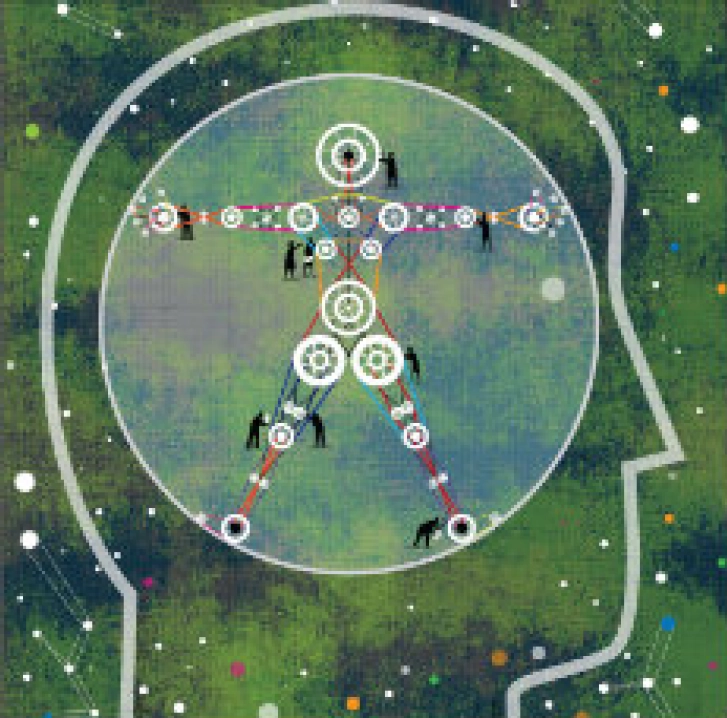
The rise of behavioral science and impact evaluation has created a new way for engineering programs and human interactions.

It’s time for activists and organizations to adopt a more strategic approach to public interest communications.

A growing number of organizations are experimenting with ways to embed learning in everyday encounters as a way to connect with hard-to-reach youth and adults.

Document leaks, big data, and open government are reviving the fight against global graft.


Funders are calling for more program evaluation, but nonprofits are often collecting dubious data, at great cost to themselves and ultimately to the people they serve.

Large-scale social change requires broad cross-sector coordination, not the isolated intervention of individual organizations.

With an understanding of these 10 funding models, nonprofit leaders can use the for-profit world's valuable practice of engaging in succinct and clear conversations about long-term financial strategy.

Social entrepreneurship is attracting growing amounts of talent, money, and attention, but along with its increasing popularity has come less certainty about what exactly a social entrepreneur is and does.

By working closely with the clients and consumers, design thinking allows high-impact solutions to social problems to bubble up from below rather than being imposed from the top.