


The Downside of Social Impact Bonds
After more than three years researching social impact bonds, a filmmaker argues we need to consider the ways they might be doing more harm than good.

After more than three years researching social impact bonds, a filmmaker argues we need to consider the ways they might be doing more harm than good.

An excerpt of Giving Done Right details the death of top-down philanthropy.

PROVEA is spreading the word about Venezuela’s political and economic crisis while building alliances in neighboring countries. From the What's Next department of the Summer 2019 issue.
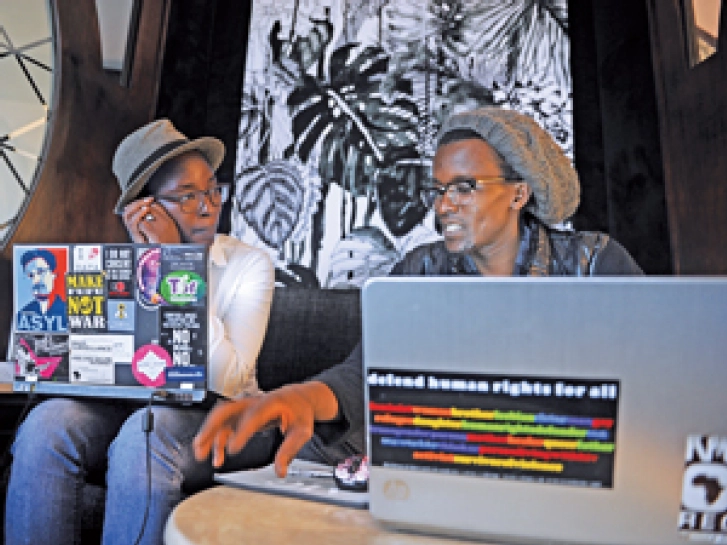
Astraea’s CommsLabs program combines indigenous knowledge, technology, and healing practices to power the next wave of LGBTQI organizing. From the Summer 2019 issue.

For nearly three decades, the Electronic Frontier Foundation has led the fight to protect people’s digital rights, incubating allied organizations and offering free security tools to nonprofits. Can it continue to uphold its mission? From the Summer 2019 issue.


Funders are calling for more program evaluation, but nonprofits are often collecting dubious data, at great cost to themselves and ultimately to the people they serve.

Large-scale social change requires broad cross-sector coordination, not the isolated intervention of individual organizations.
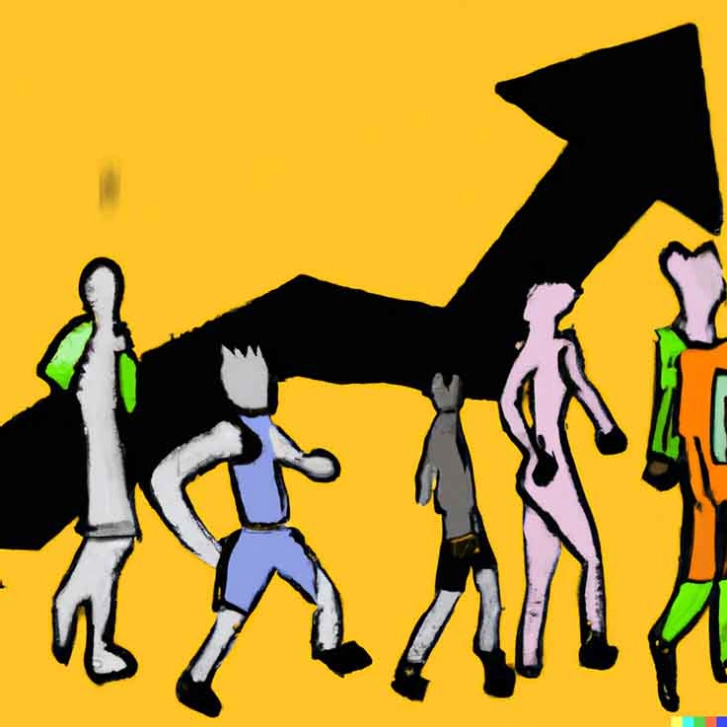
For NGOs, impact comes in different forms and to track the cycles of social change work, we must think across the tangibility and the speed of emergence of change.

With an understanding of these 10 funding models, nonprofit leaders can use the for-profit world's valuable practice of engaging in succinct and clear conversations about long-term financial strategy.

Fair Trade-certified coffee is growing in sales, but strict certification requirements are resulting in uneven economic advantages for coffee growers and lower quality coffee for consumers.